In recent years, the global industrial landscape has undergone rapid transformation. Rising energy costs, increasingly stringent carbon emission regulations, and growing sustainability requirements throughout international supply chains have created unprecedented challenges for manufacturers. Companies must not only maintain production efficiency and product quality but also balance energy conservation, carbon reduction, sustainable operations, and global competitiveness.
As ESG (Environmental, Social, and Governance) becomes a critical benchmark for corporate development worldwide, and as countries continue to implement net-zero carbon policies, green manufacturing is no longer merely a corporate image initiative. It has become a key factor in determining future market competitiveness.
Growing Global Energy and Carbon Emission Pressures
In recent years, global energy prices have experienced significant volatility, while electricity costs continue to rise. During peak summer demand periods, many factories face substantially higher electricity expenses. For manufacturers that rely heavily on processing equipment and production machinery, energy costs often represent a significant portion of overall operating expenses.
At the same time, international requirements for carbon emission management are becoming increasingly stringent.
The European Union has officially introduced the Carbon Border Adjustment Mechanism (CBAM). In the future, products exported to European markets may face additional carbon-related costs if their manufacturing processes generate high levels of carbon emissions. This means companies must focus not only on product quality and pricing but also on the carbon footprint generated throughout the entire lifecycle—from raw materials and production to transportation.
In addition, many international brands and major corporations now require suppliers to disclose carbon emission data, energy consumption information, and ESG performance metrics. Green supply chains are rapidly becoming a critical criterion in global procurement. Companies that fail to implement energy-saving and carbon-reduction initiatives may face higher operating costs and risk losing important customers and international business opportunities.
ESG Has Become a Business Imperative
ESG has quickly emerged as a major focus of corporate management.
· * Environmental emphasizes energy efficiency, carbon management, and environmental protection.
· * Social focuses on employee welfare and social responsibility.
· * Governance highlights transparency, accountability, and sustainable management.
For manufacturers, environmental performance is often the most immediate concern. When preparing sustainability reports, many companies are required to disclose:
· * Energy consumption
· * Electricity usage data
· * Greenhouse gas emissions
· * Carbon reduction achievements
· * Energy-saving improvement measures
As a result, reducing energy consumption through equipment upgrades and process optimization has become a core ESG management objective. Energy-efficient equipment not only lowers utility costs but also serves as tangible evidence of a company's sustainability achievements.
Net-Zero Emissions by 2050: A Global Consensus
Climate organizations and international institutions continue to encourage countries worldwide to accelerate carbon reduction efforts. Most developed economies have established net-zero emission targets for 2050.
Net-zero emissions do not mean eliminating all emissions entirely. Instead, they involve balancing emissions and removals through energy conservation, efficiency improvements, renewable energy adoption, and carbon management strategies.
For manufacturers, the path toward net-zero typically includes:
· * Improving equipment energy efficiency
· * Reducing process energy consumption
· * Optimizing production workflows
· * Minimizing energy waste
· * Establishing carbon management systems
Among these initiatives, improving equipment efficiency is often one of the most practical and cost-effective approaches.
Energy Waste in Traditional Workholding Systems
Workpiece holding is a critical aspect of metal machining operations. Many manufacturing facilities still rely on traditional hydraulic clamps, pneumatic fixtures, or electromagnetic workholding systems that require continuous electrical power.
These systems often present several challenges:
Continuous Power Consumption
Some workholding systems require a constant power supply to maintain clamping force, consuming energy even when no active machining operation is taking place.
High Maintenance Costs
Hydraulic and pneumatic systems require ongoing maintenance of pipelines, pumps, valves, seals, and consumable components, increasing overall equipment management costs.
Limited Production Efficiency
Complex fixture replacement and setup procedures can extend changeover times and reduce overall productivity.
Increased Carbon Emissions
Higher energy consumption directly contributes to greater indirect carbon emissions. As a result, many manufacturers are seeking more energy-efficient and productive workholding solutions.
Earth-Chain Magnetic Chuck Systems: A New Choice for Green Manufacturing
To meet the dual demands of energy conservation and productivity improvement, magnetic workholding technology is gaining increasing attention across the manufacturing industry.
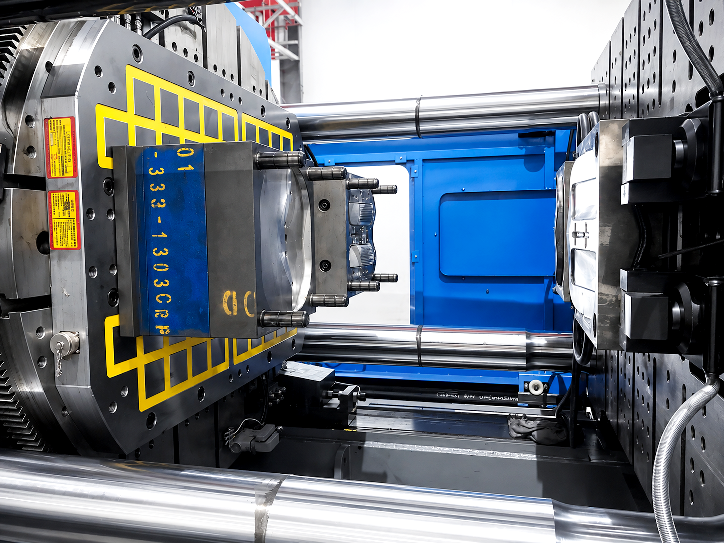
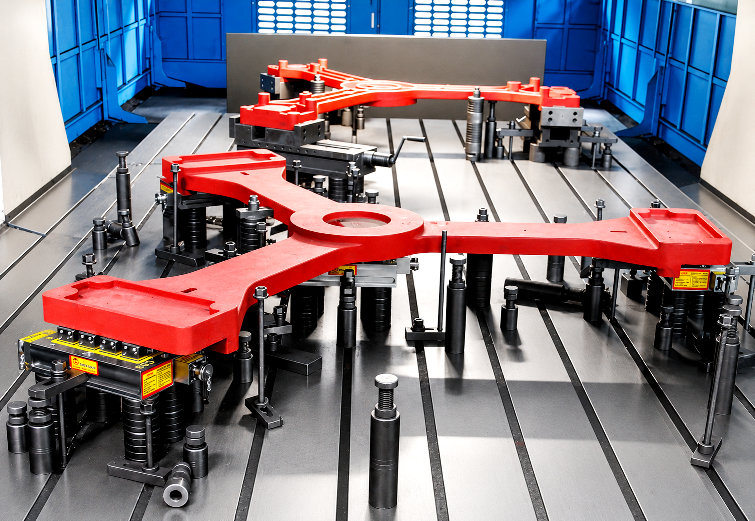
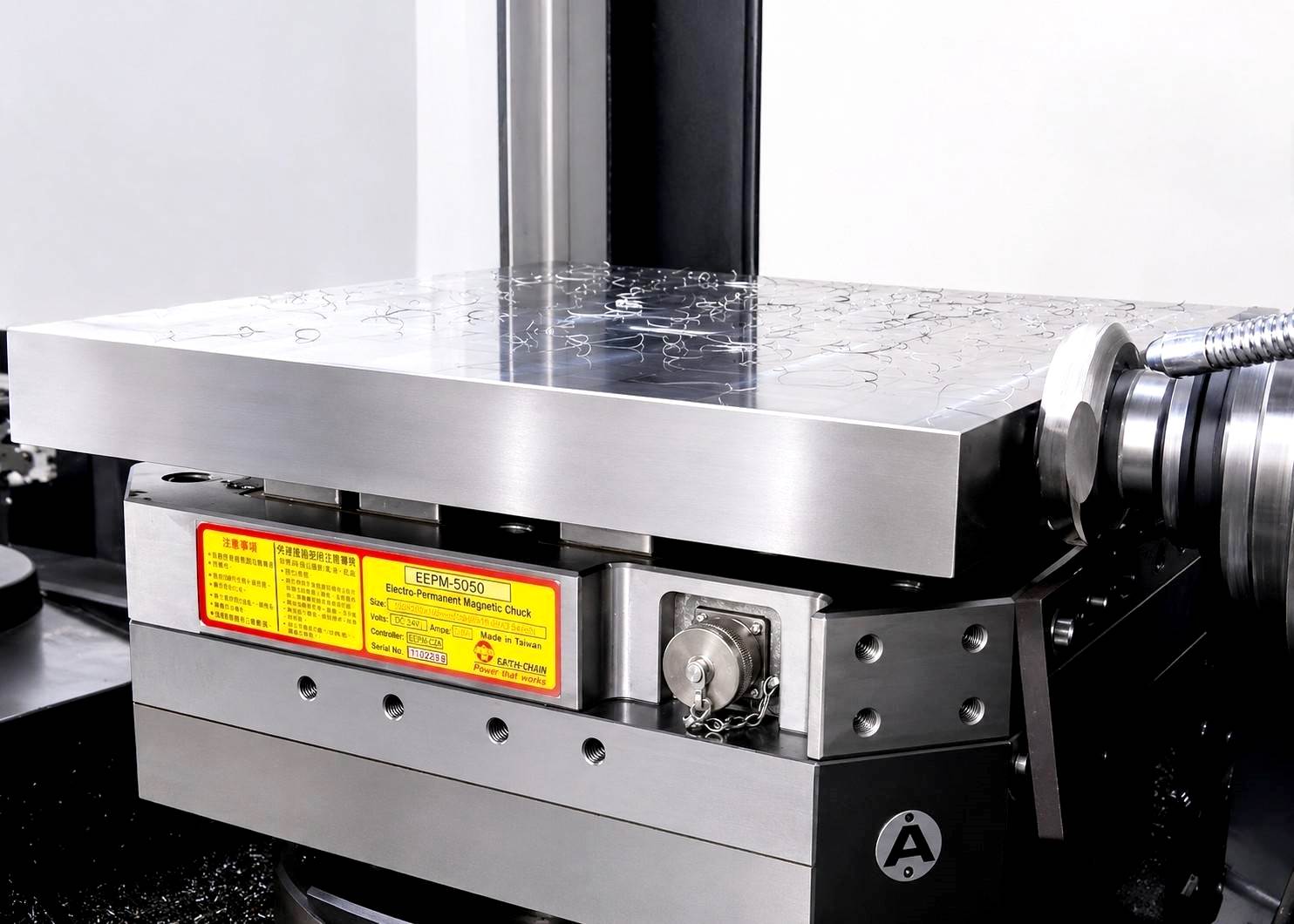
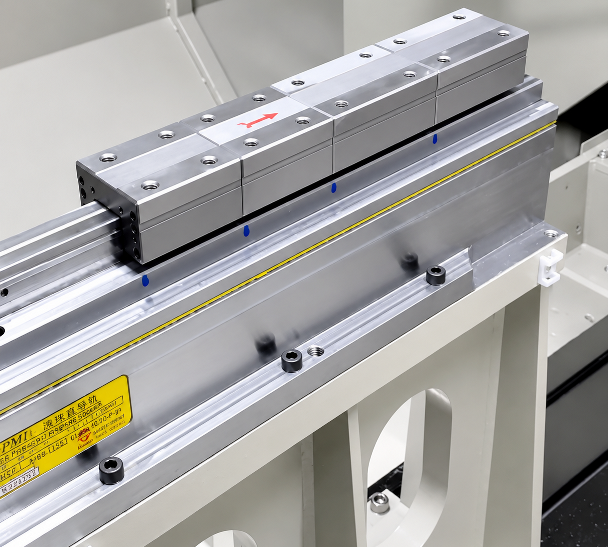
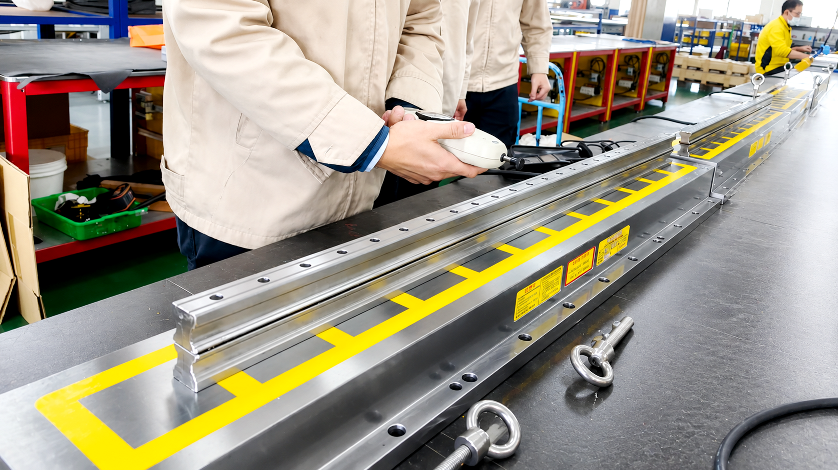
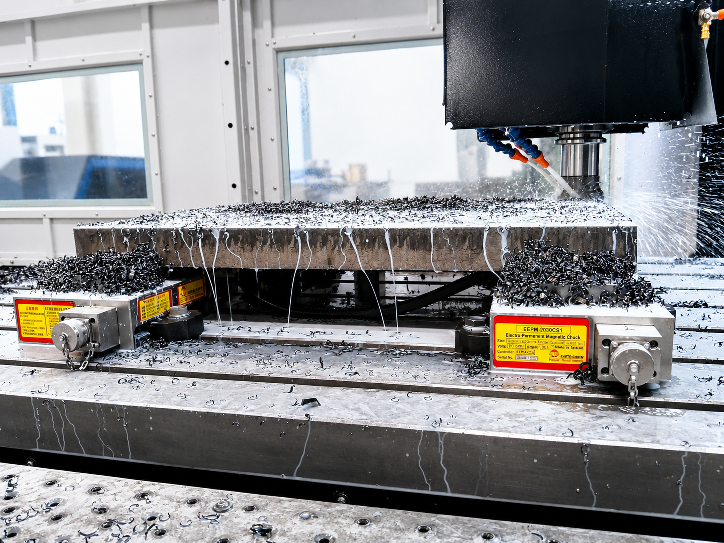
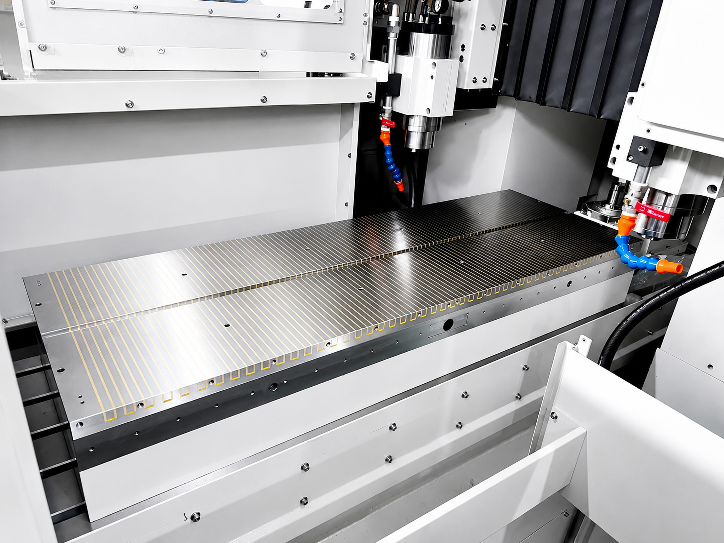
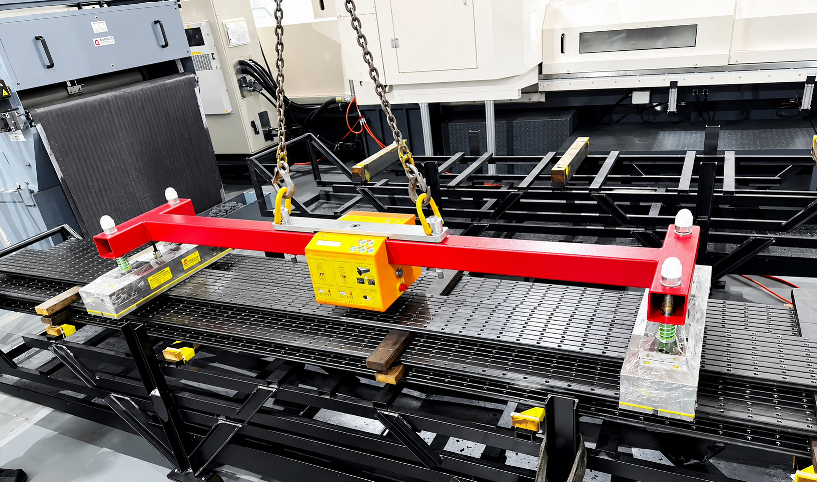
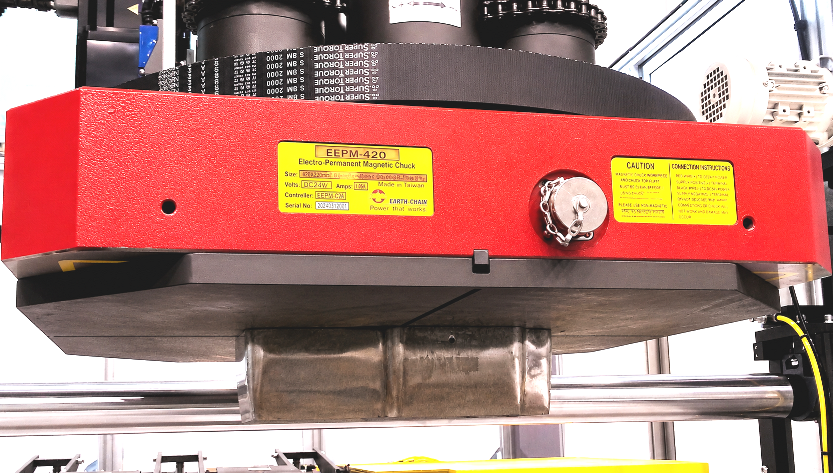
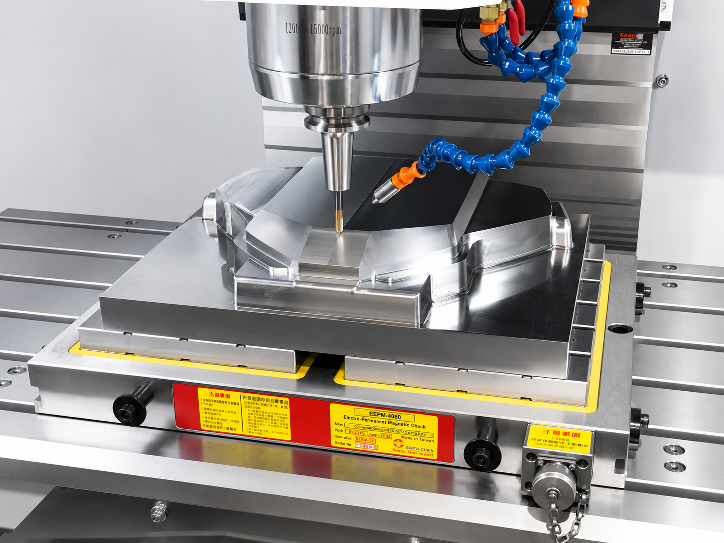
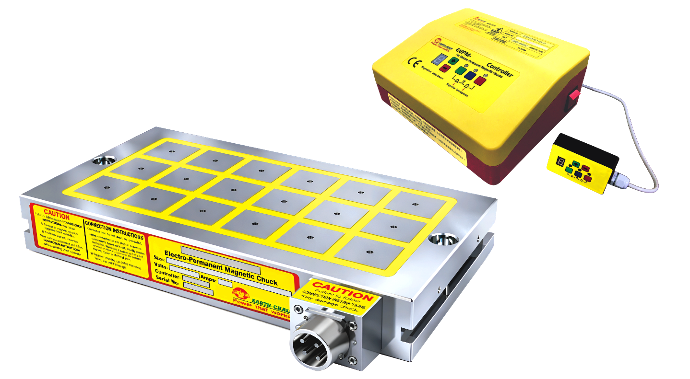
Earth-Chain Magnetic Chuck Systems utilize high-performance rare-earth permanent magnet technology, providing strong holding force, exceptional stability, and minimal energy consumption. The most significant difference compared with conventional electromagnetic systems is:
No Continuous Power Required After Clamping
Once a workpiece is secured, the rare-earth permanent magnet system maintains its holding force without requiring continuous electrical power. As a result, virtually no additional energy is consumed during machining operations, significantly reducing overall power consumption.
Reduced Electricity Costs
For facilities operating multiple machine tools, the cumulative energy savings can be substantial over time. These benefits become even more valuable as electricity prices continue to rise and peak-demand charges increase.
Lower Carbon Emissions
Reduced energy consumption directly translates into lower indirect carbon emissions. Equipment upgrades can help improve carbon accounting results and simplify sustainability reporting efforts.
Alignment with ESG Objectives
The adoption of energy-efficient equipment directly contributes to ESG performance metrics. This creates significant value for manufacturers that must undergo customer audits, supplier evaluations, or sustainability reporting requirements.
Improving Productivity and Profitability
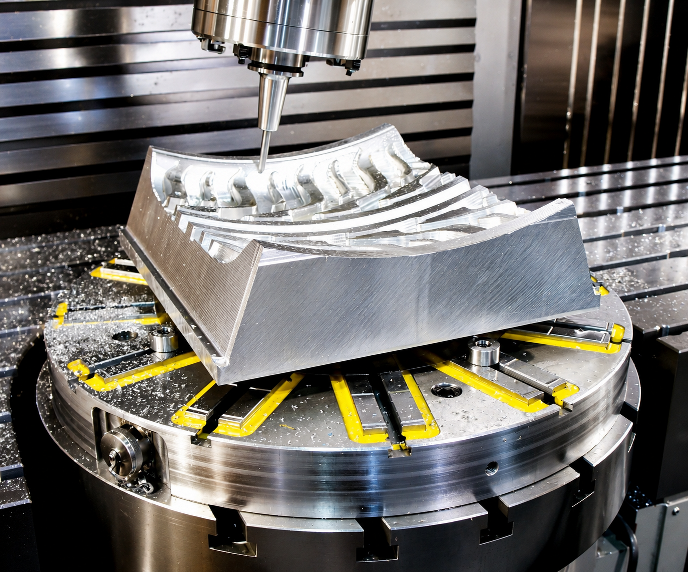
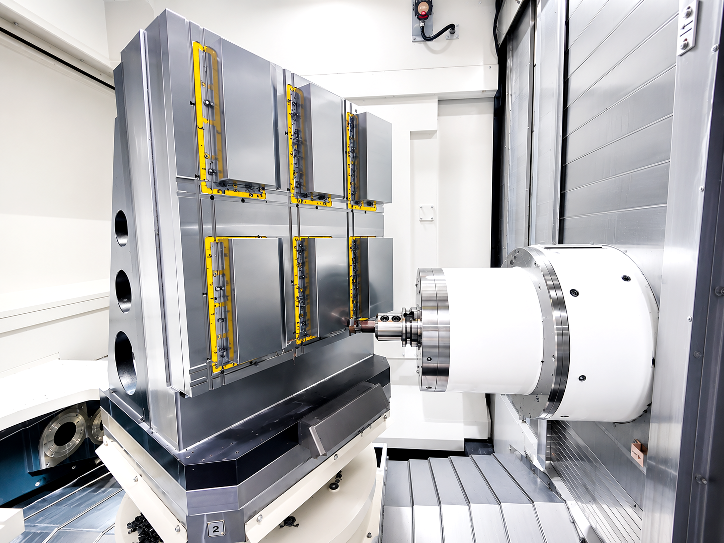
Beyond energy savings and carbon reduction, one of the greatest advantages of magnetic chuck systems is increased machining efficiency. Magnetic workholding enables rapid workpiece positioning and clamping, significantly reducing setup and fixture adjustment times.
Key benefits include:
· * Shorter loading and unloading times
· * Higher machine utilization rates
· * Reduced labor requirements
· * Increased production efficiency
· * Improved capacity utilization
· * Enhanced product quality and yield
By producing more parts within the same operating period, manufacturers can improve overall profitability. Therefore, magnetic chuck systems are not merely energy-saving devices—they are strategic investments that enhance long-term competitiveness.
Building a Competitive Advantage Through Green Supply Chains
Future global competition will no longer be based solely on price. Quality, efficiency, and sustainability performance are becoming equally important. Many international brands now include ESG performance as a key supplier evaluation criterion.
Companies that can provide:
· * Carbon footprint data
· * Documented energy-saving achievements
· * ESG management systems
· * Green manufacturing capabilities
will be better positioned to secure international contracts and establish long-term business partnerships. Consequently, investing in energy-efficient equipment is no longer simply a cost-reduction measure—it is a strategic decision for future market development.
Green Manufacturing Is the Future of Competitiveness
Global industries are rapidly moving toward low-carbon and sustainable development. Faced with rising electricity prices, carbon taxation mechanisms, ESG requirements, and net-zero emission targets, manufacturers that proactively upgrade equipment and improve energy management can reduce operating costs while strengthening long-term competitiveness.
Through advanced rare-earth permanent magnet technology, Yichen Magnetic Chuck Systems deliver multiple benefits, including energy savings, carbon reduction, lower carbon-related costs, and improved profitability. They help manufacturers gain a competitive edge in the era of green manufacturing.
Green manufacturing is more than an environmental responsibility—it is a strategic pathway toward greater efficiency, profitability, and sustainable growth. Every kilowatt-hour saved and every kilogram of carbon reduced contributes to building a stronger and more competitive future.
Green Manufacturing Starts Today.