In the field of modern precision machining
and large structural component manufacturing, how to effectively and stably
clamp large workpieces has always been a major concern for engineers and
machine operators. Traditional clamping methods—such as mechanical fixtures,
bolt clamps, vises, or hydraulic clamps—can provide basic fixation, but when
dealing with large, irregularly shaped, or multi-surface machining workpieces,
they often reveal shortcomings such as uneven clamping, deformation during
machining, long setup time, and slow changeover. With the advancement of
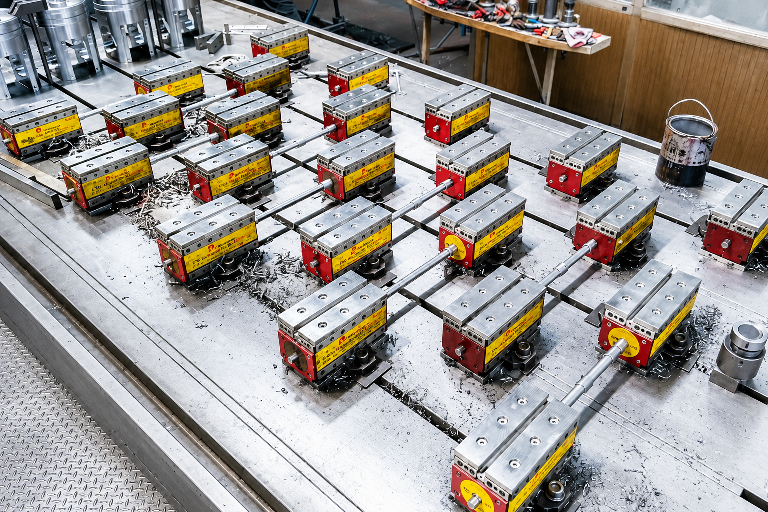
permanent magnetic material technology, **Permanent Magnetic Clamping Block **
have gradually become a key solution for large-workpiece machining.
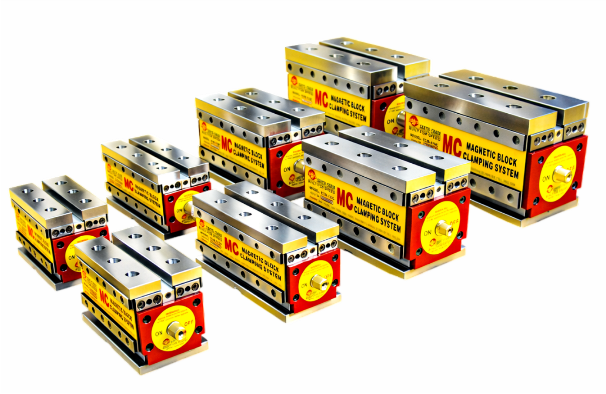
Electro Permanent Magnetic chuck
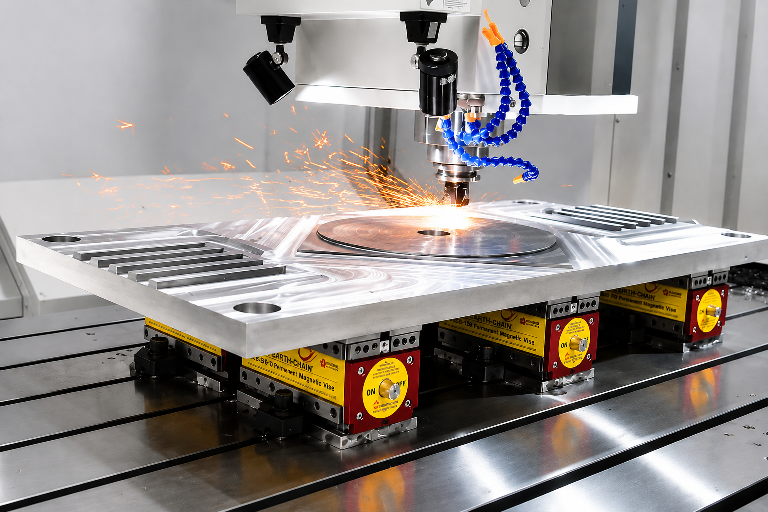
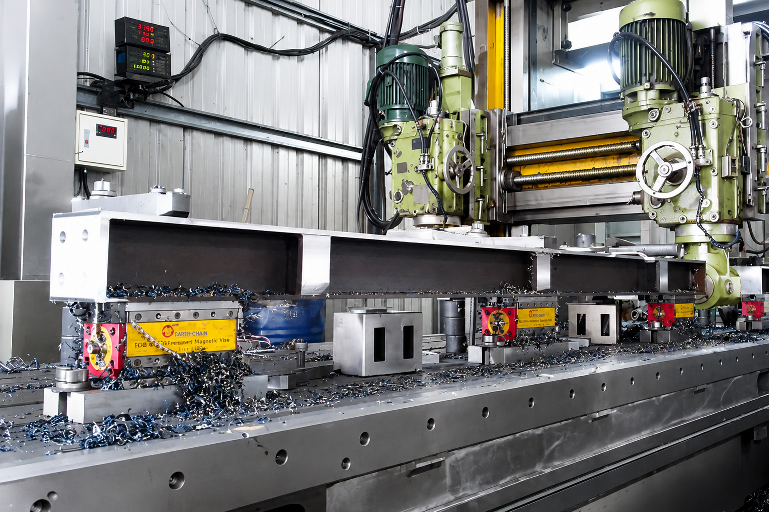
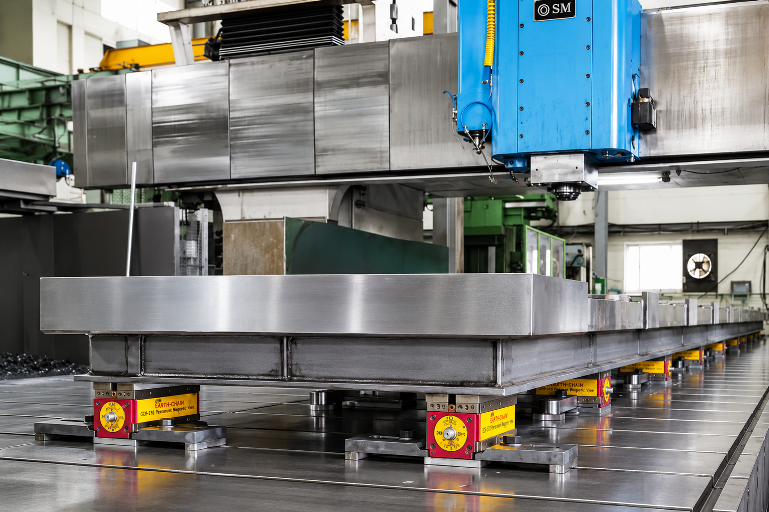
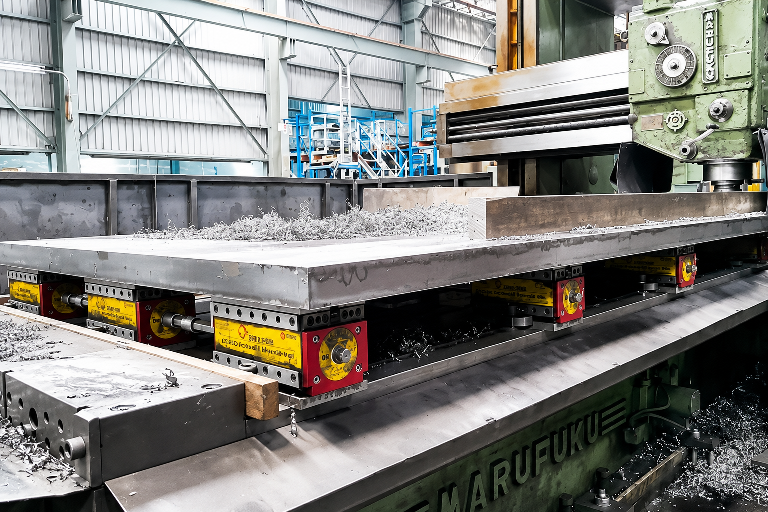
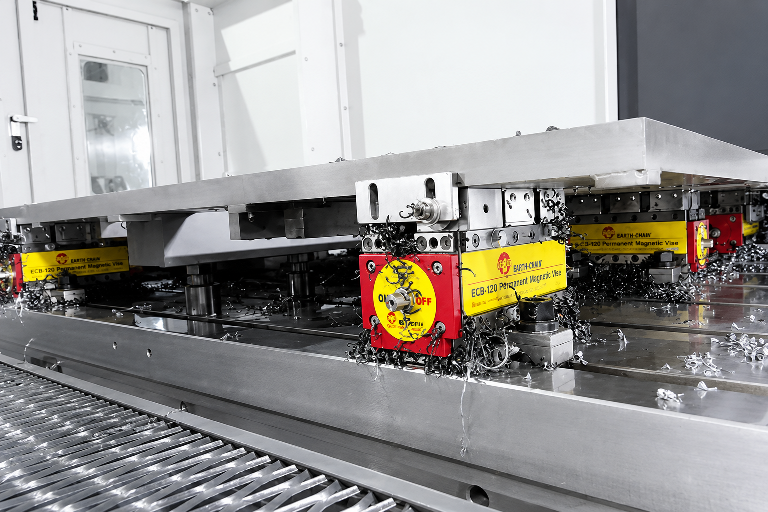
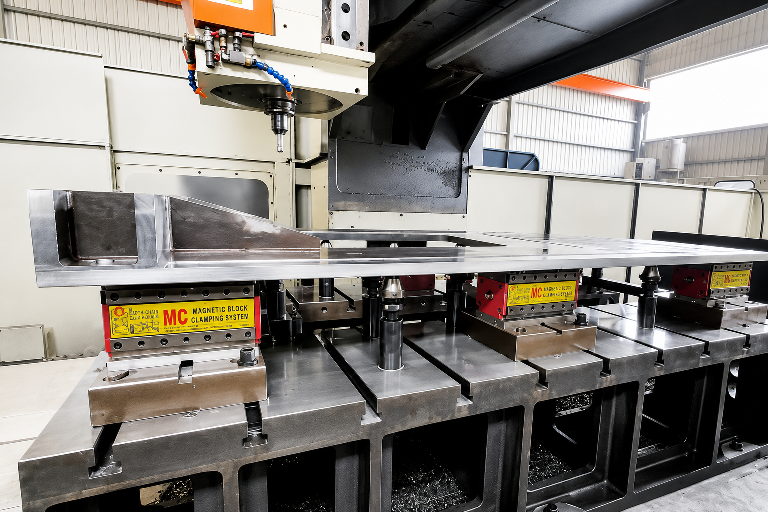
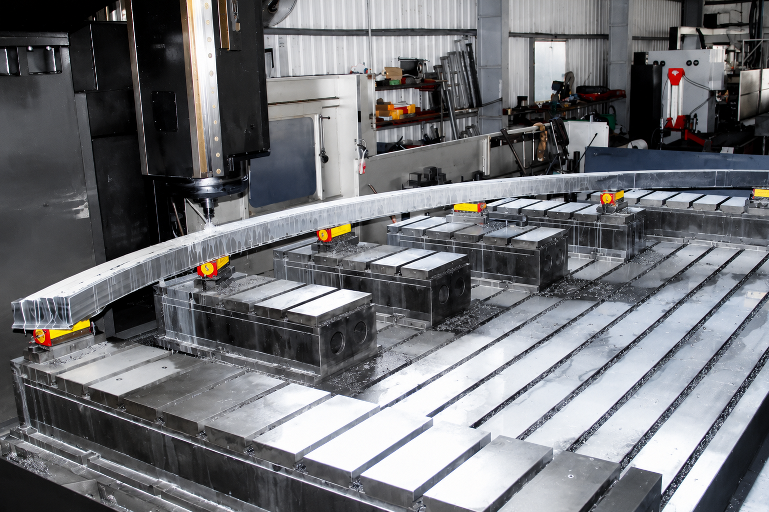
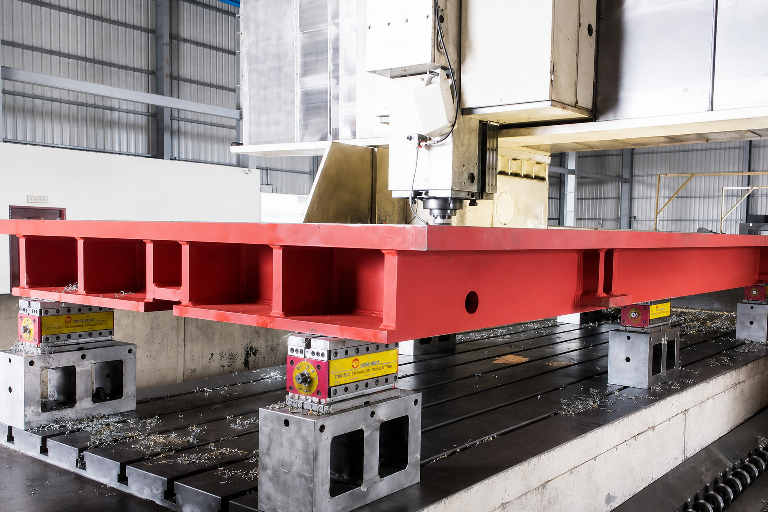
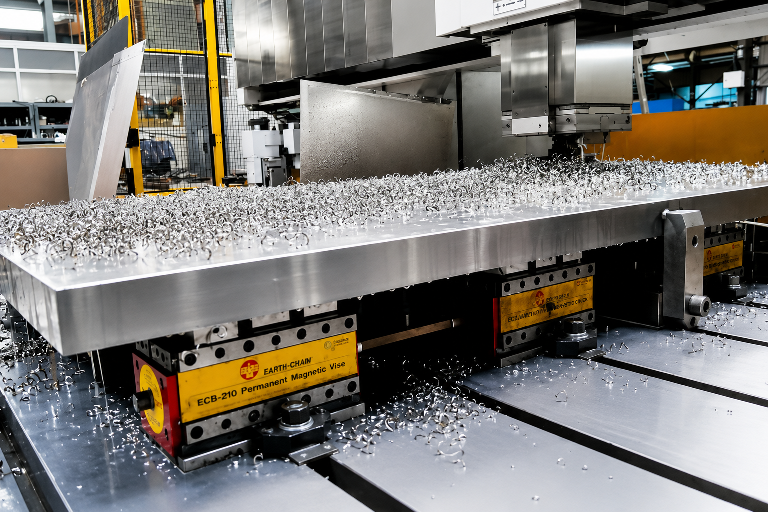
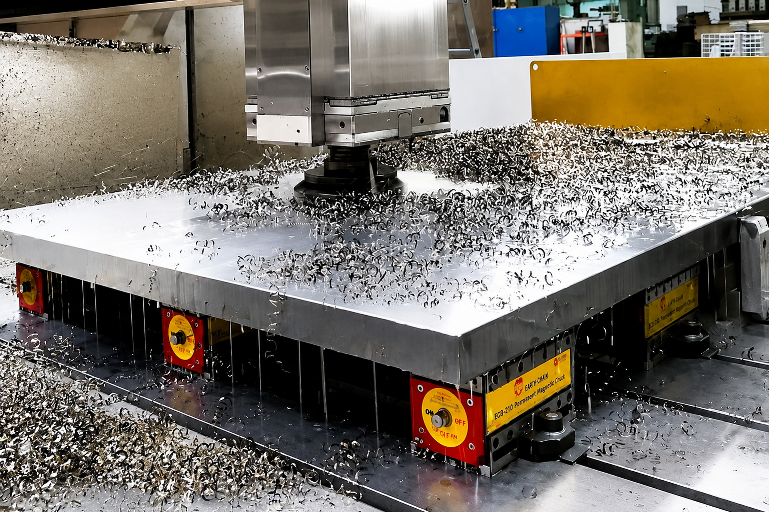
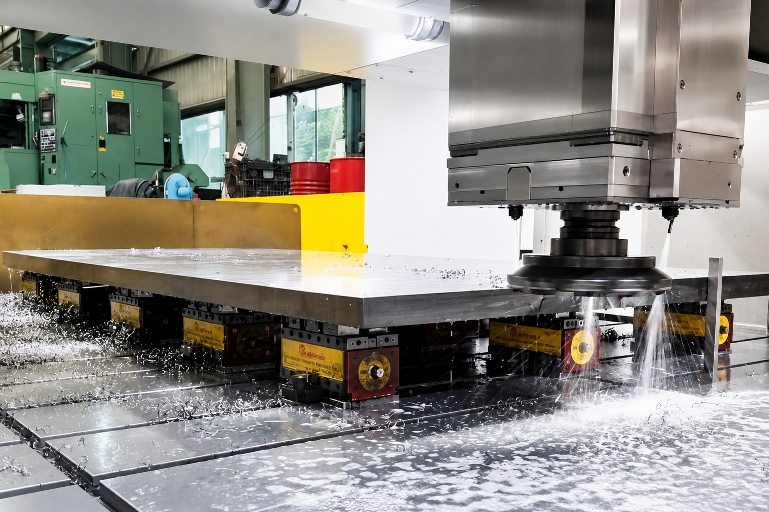
The core advantage of a Permanent Magnetic Clamping Block lies in its ability to provide **stable, uniform, and heat-free clamping force**. Because the magnetic force is generated by permanent magnets and does not require power, no heat is produced during machining, and there is no risk of the workpiece loosening due to power failure. This characteristic is especially important for large workpieces, which are often prone to slight deformation caused by uneven heating. A permanent magnetic table eliminates this issue, allowing the workpiece to maintain geometric stability during long-duration heavy milling, precision grinding, machining, or mirror-finishing processes.
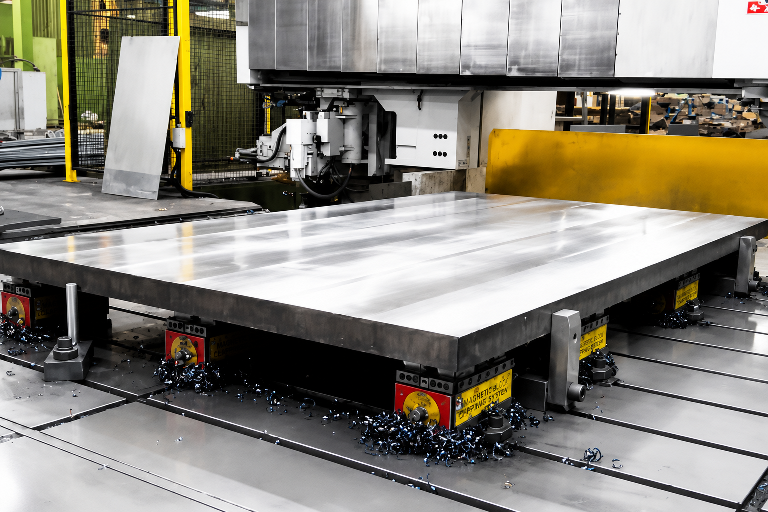
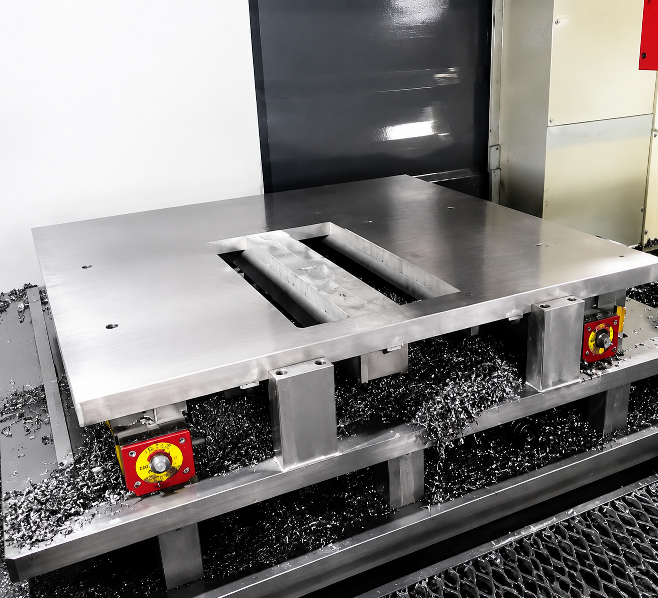
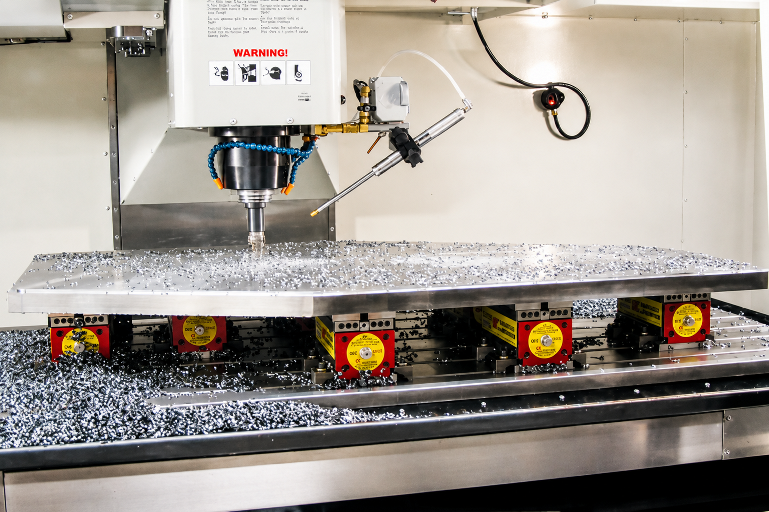
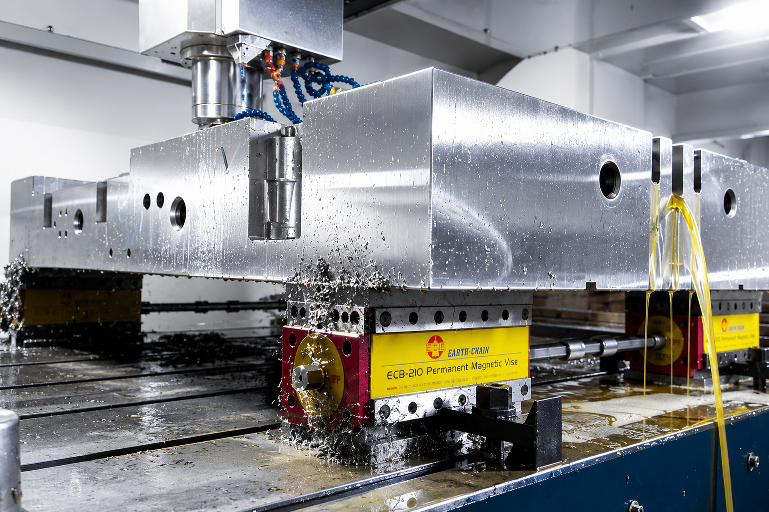
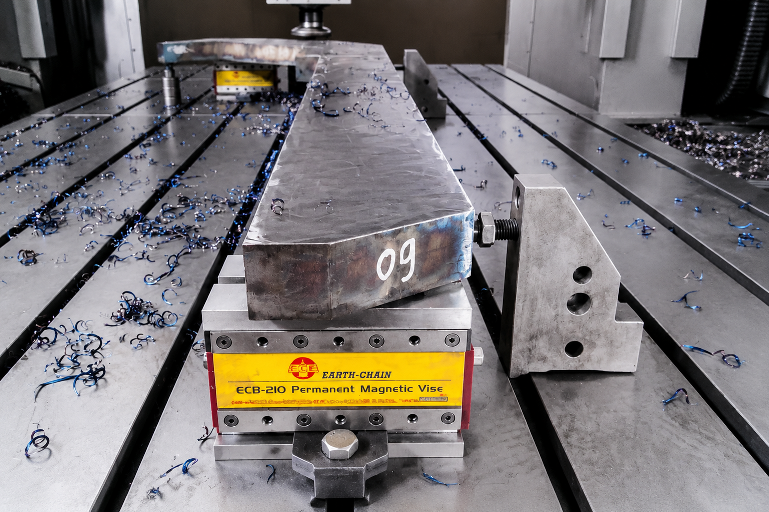
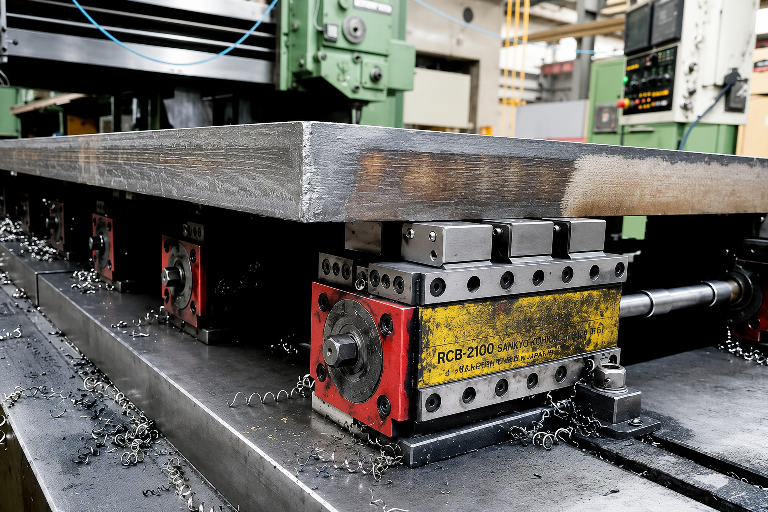
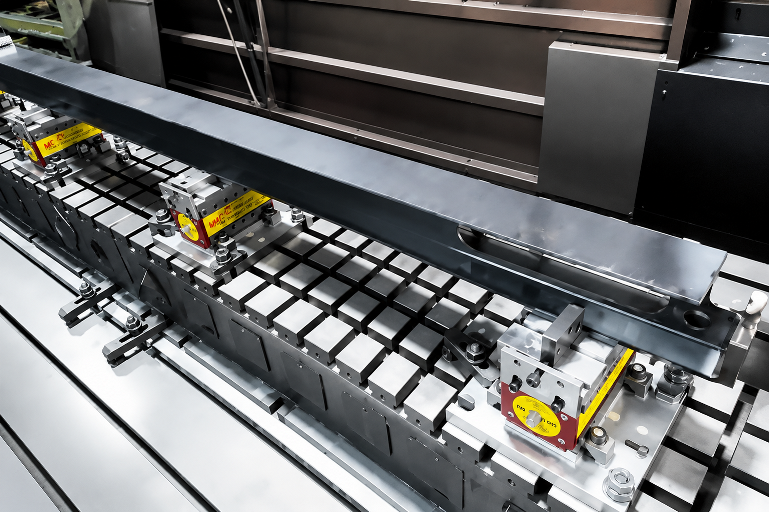
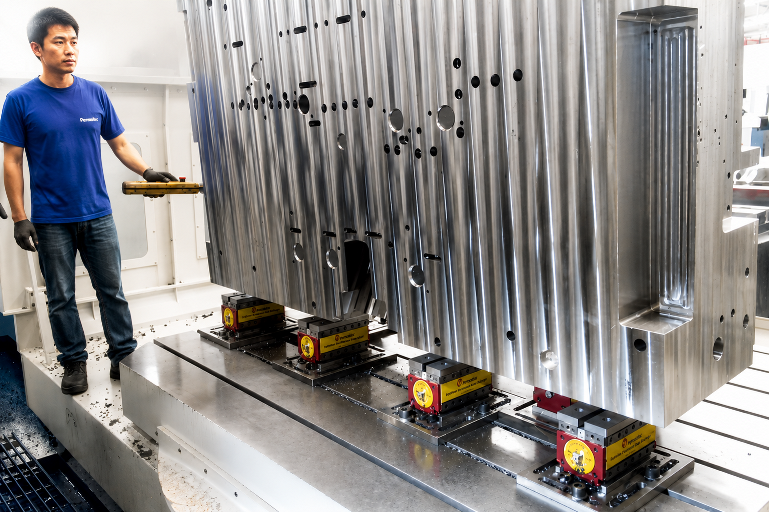
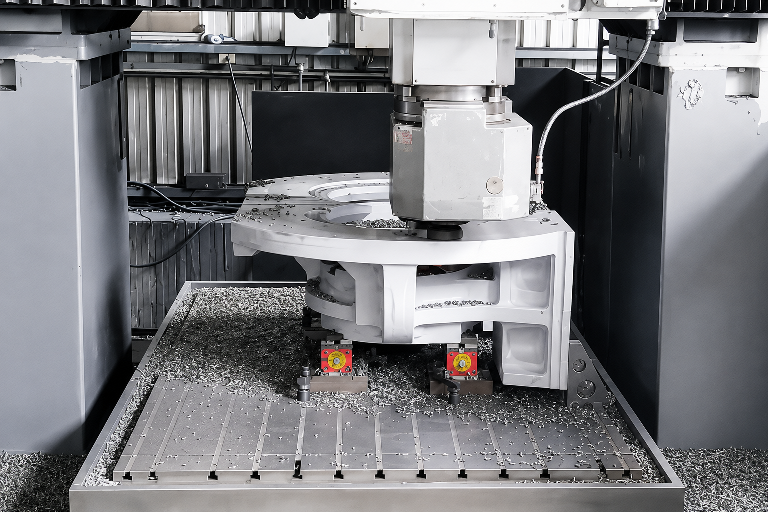
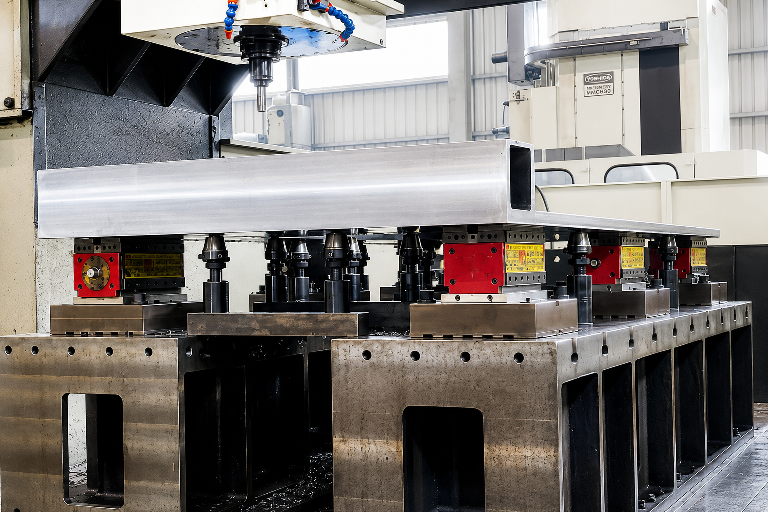
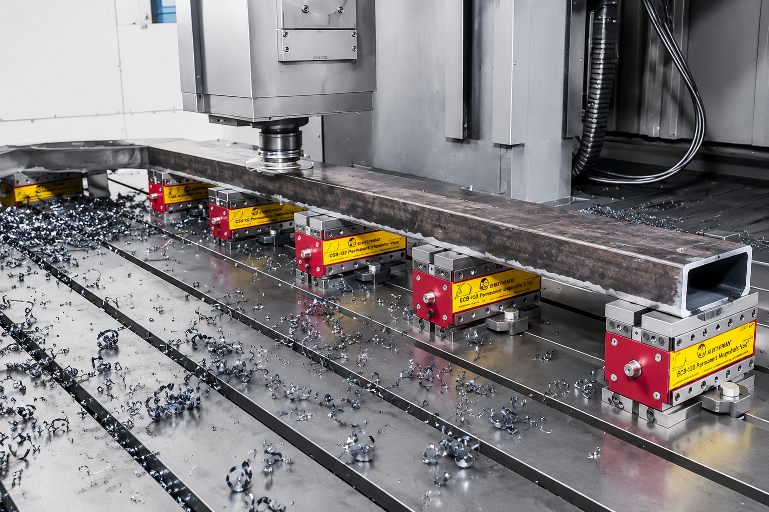
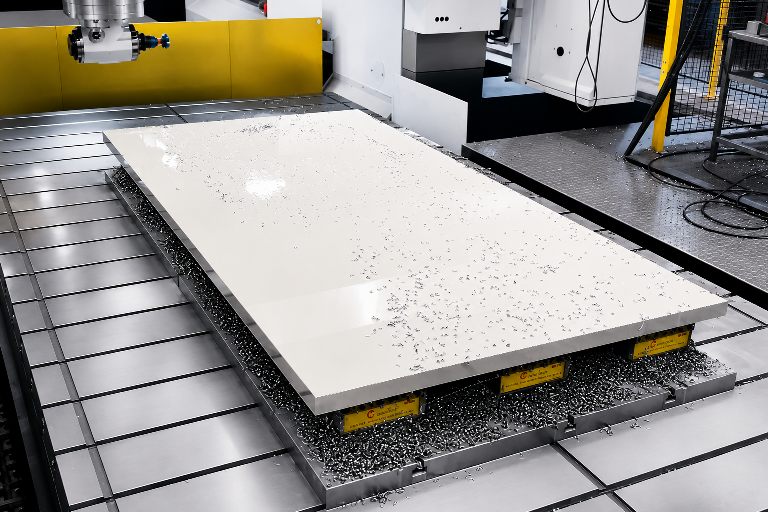
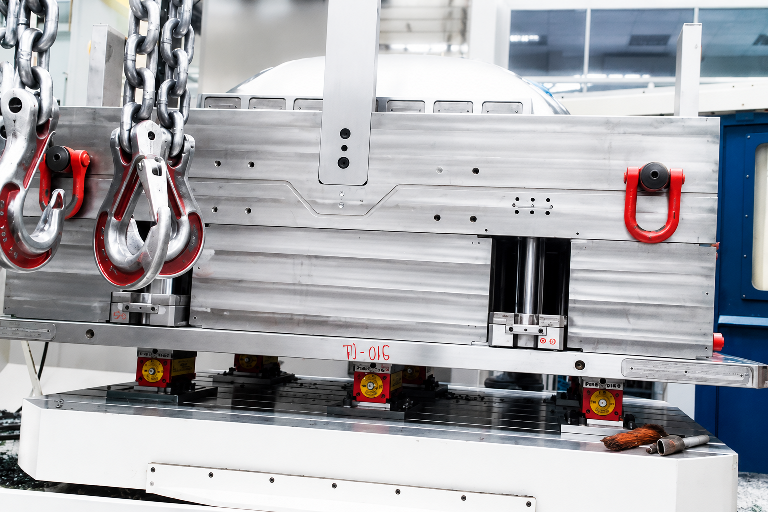
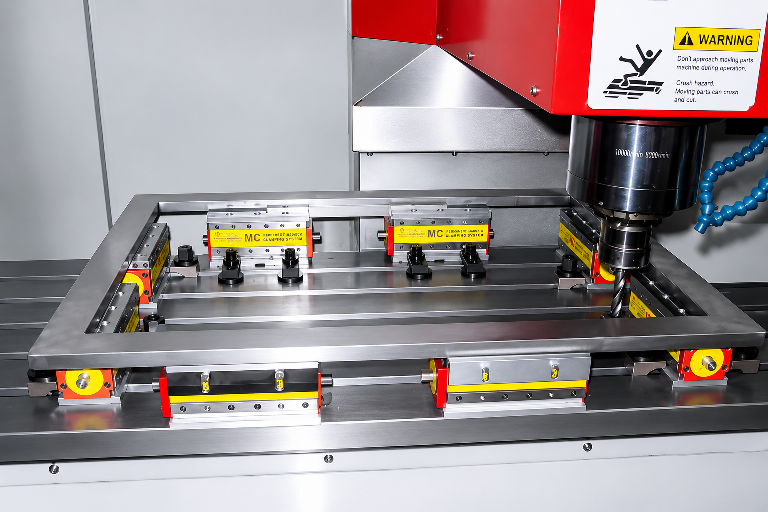
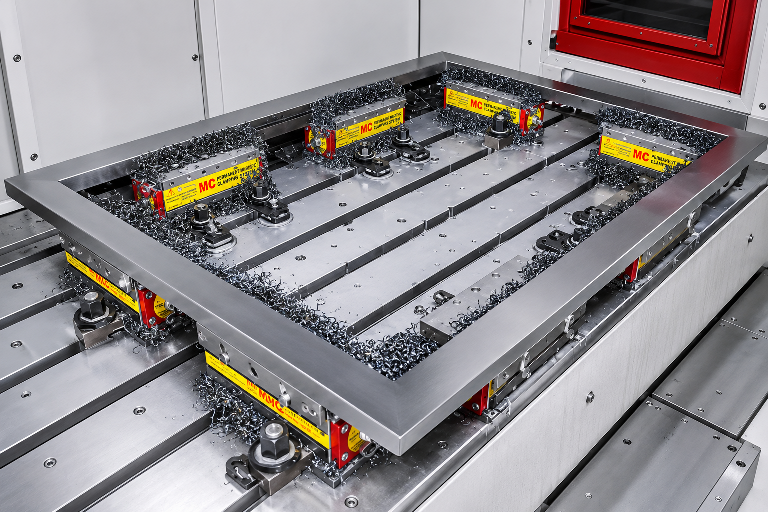
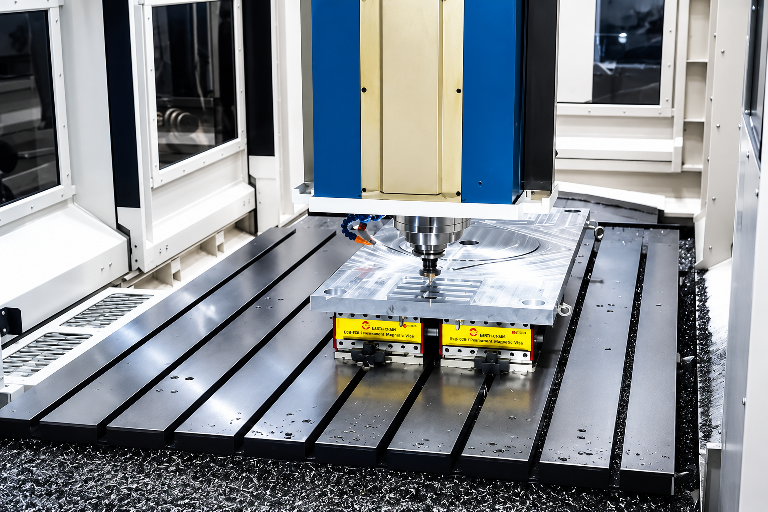
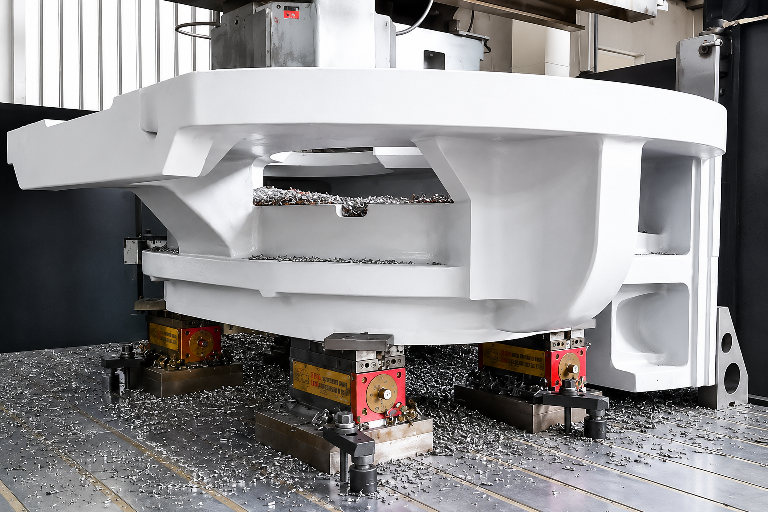
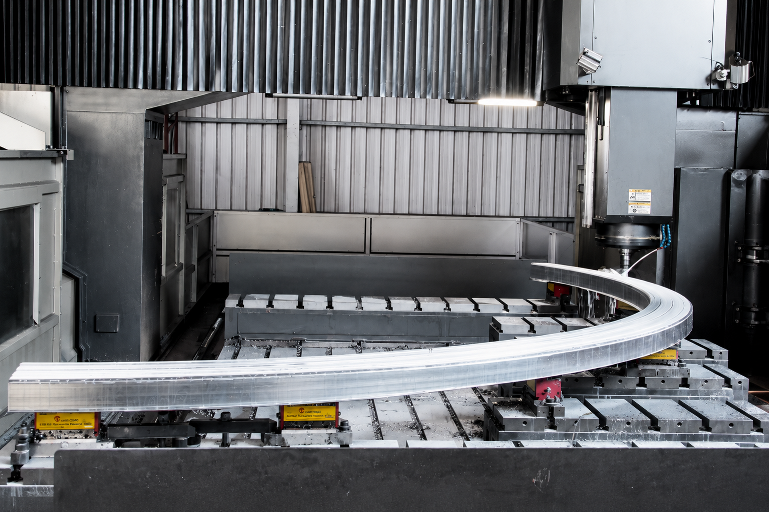
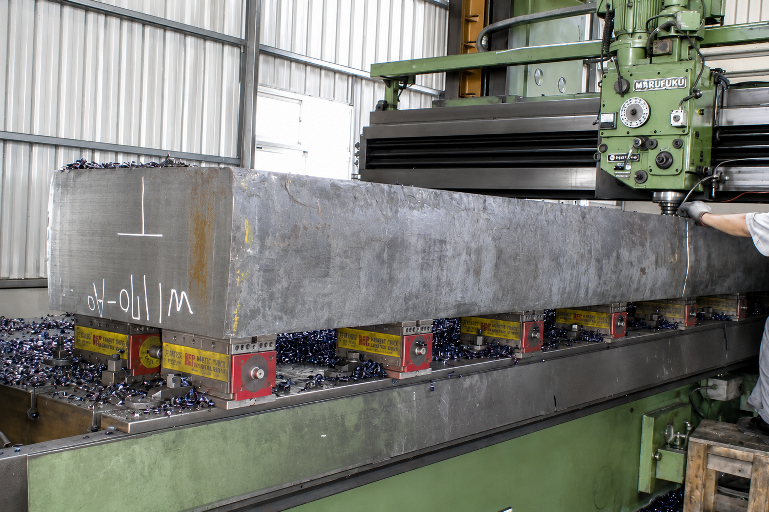
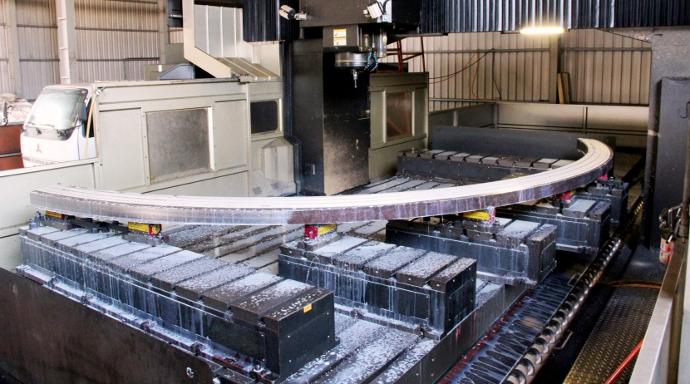
In addition, a Permanent Magnetic Clamping Block offers **unobstructed, full-surface clamping**, securing the workpiece without causing surface damage. Unlike traditional fixtures that apply force only to localized points, magnetic clamping significantly reduces deformation risk. This is particularly beneficial for large plates, steel structures, castings, welded parts, rail components, mold bases, and similar workpieces. The ability to perform **five-sided machining—drilling, tapping, milling grooves—in a single setup** greatly improves machining accuracy and consistency.
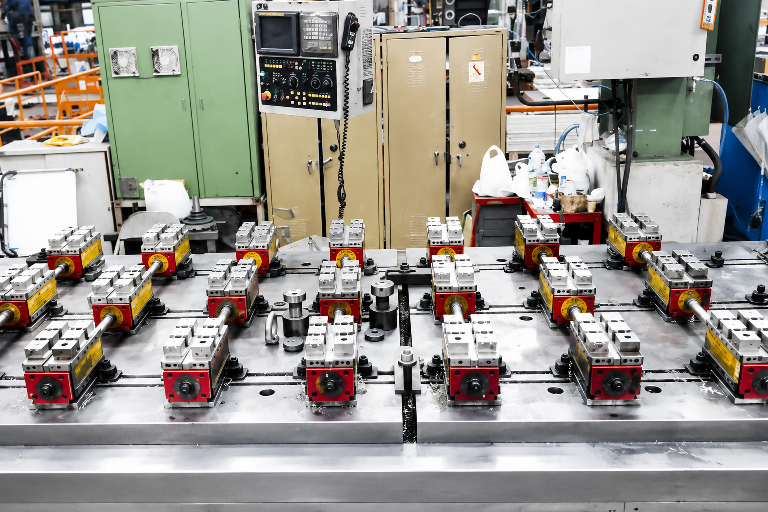
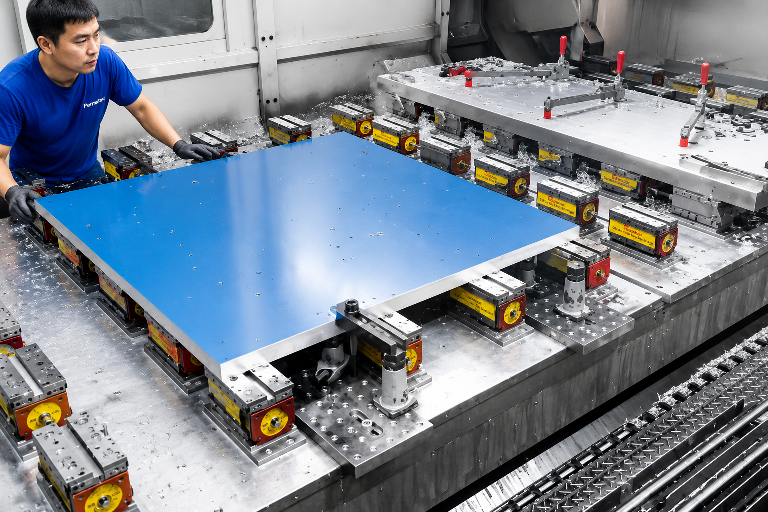
In terms of machining efficiency, permanent magnetic tables also provide clear advantages. Traditional fixtures often require extensive time for positioning, alignment, and tightening when handling large workpieces. Any changeover requires complete re-setup, slowing production rhythm. A magnetic table, however, can complete clamping within seconds and can be paired with locating blocks, V-blocks, and other auxiliary fixtures to enhance quick-change capability. For factories handling batch production or frequently changing workpiece types, this directly reduces labor hours, saves manpower, and increases overall productivity.
Furthermore, the **safety** of Permanent Magnetic Clamping Block is noteworthy. Since the magnetic force comes from permanent magnets, the workpiece will not fall due to power interruption. This allows operators to perform heavy milling, deep cutting, or high-speed machining with greater confidence.
From a maintenance perspective, permanent magnetic tables require **no hydraulic oil and have no traditional mechanical wear**, resulting in extremely long service life. They are simple to maintain and highly reliable, helping manufacturers reduce overall equipment costs and improve production-line stability.
Overall, Permanent Magnetic Clamping Block provide the following major advantages for large-workpiece machining:
1. Uniform clamping, reduced machining deformation
2. No heat generation and long-term stable clamping force
3. Fast workpiece changeover, improved productivity
4. Easy operation, reduced labor and setup time
5. Unobstructed clamping, ideal for multi-surface and complex parts
6. High safety with no reliance on electrical power
7. Simple maintenance and long service life
With these strengths, Permanent Magnetic
Clamping Block have become essential equipment for improving machining quality,
efficiency, and safety in modern manufacturing—particularly in industries such
as large metal processing, mold manufacturing, rail components, aerospace, and
energy, where high stability and high precision are critical.