In the context of the continuous upgrading of the precision machining industry, manufacturing models are rapidly evolving toward high efficiency, automation, and high precision. Among these trends, “automated production” and “five-sided machining” have gradually become mainstream. This transformation not only changes machine configurations but also redefines the role of workholding fixtures within the overall manufacturing process. Under this trend, magnetic workholding systems, with their unique clamping mechanism and application advantages, are gradually evolving from auxiliary tools into key technologies that directly impact machining efficiency and quality stability.
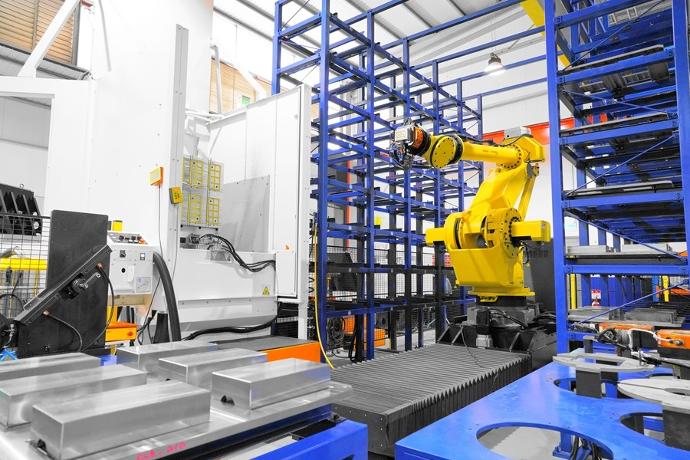
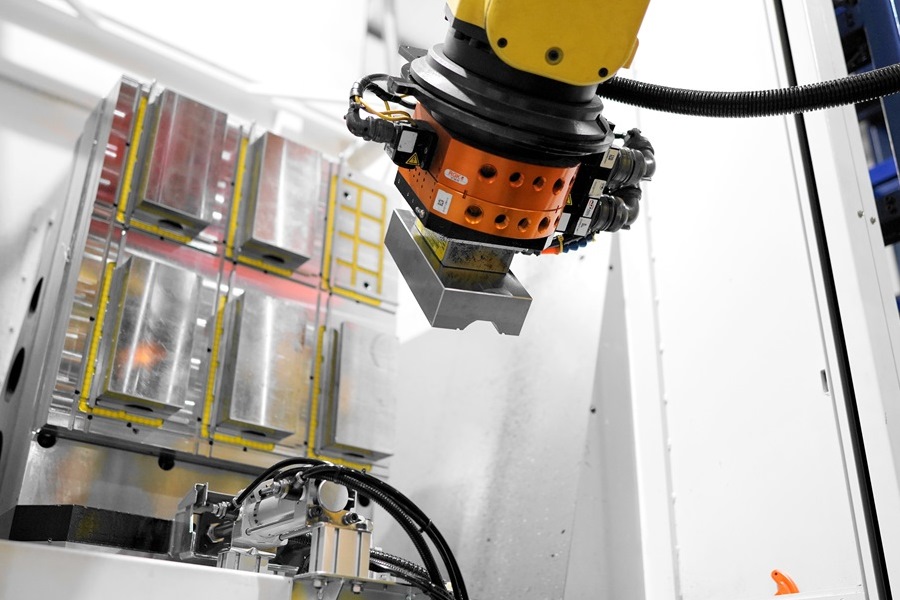
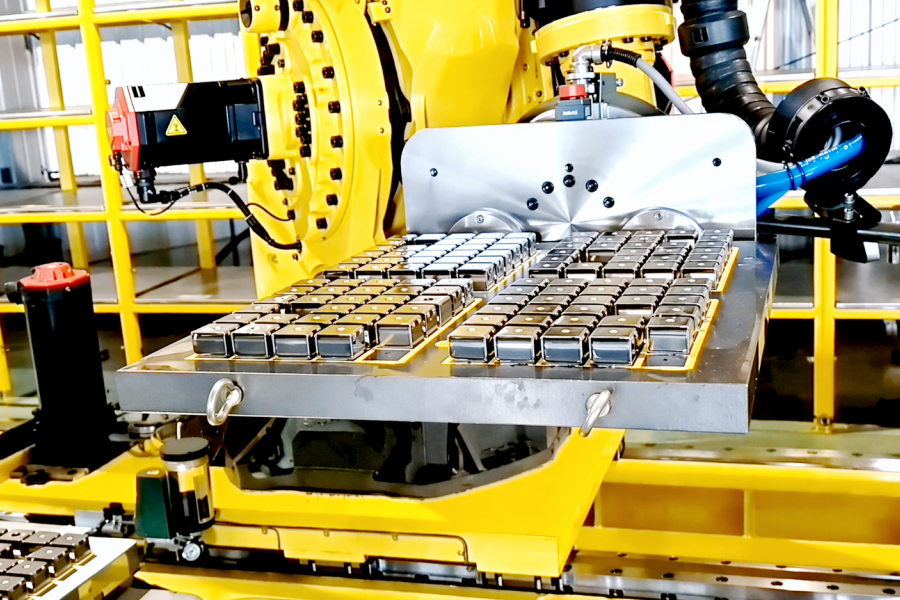
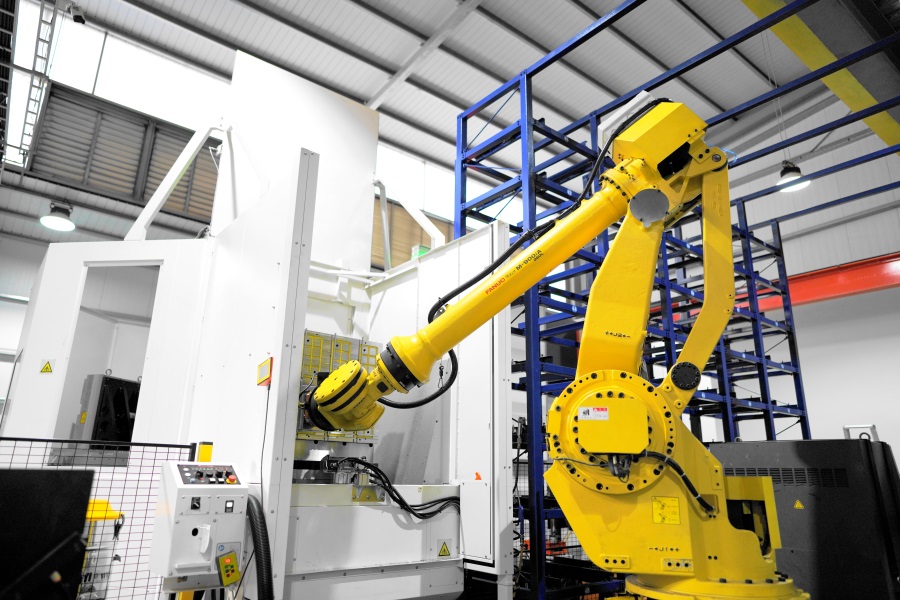
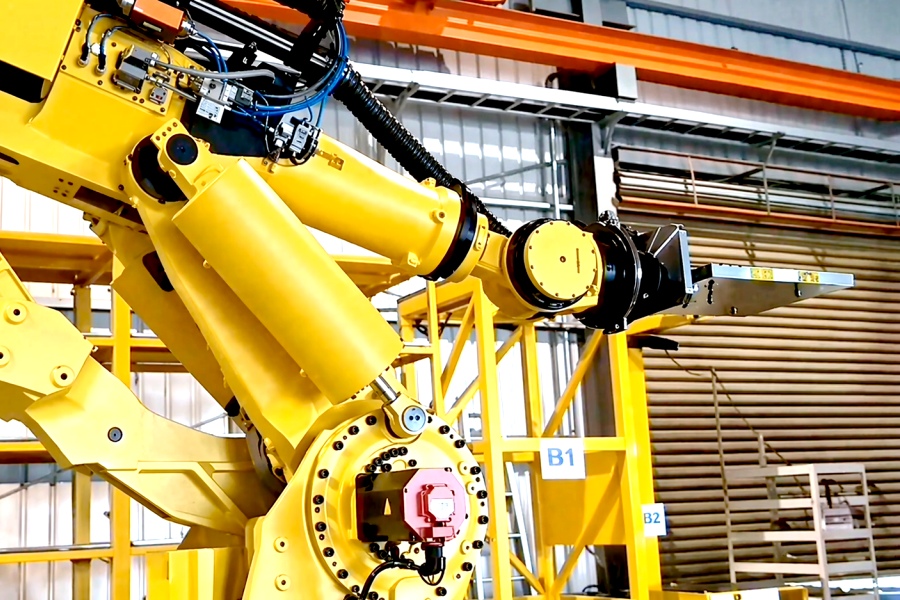
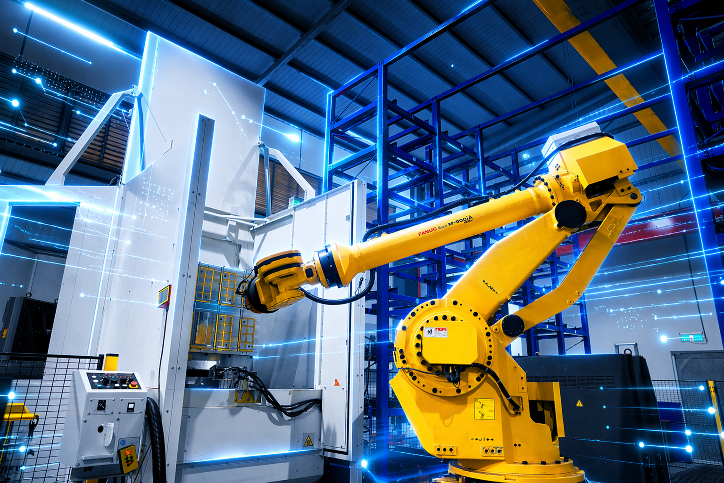
In automated machining environments, production cycle time and stability are the most critical performance indicators. Traditional mechanical fixtures often rely on screws or hydraulic systems for clamping, which typically require longer setup and release times and are highly dependent on operator skill, leading to inconsistent efficiency. In contrast, magnetic workholding systems use electrically controlled magnetic force to clamp and release workpieces, completing the process within seconds and significantly reducing changeover time. This feature makes them highly compatible with automated loading and unloading systems, such as robotic arms and AGV-integrated production lines, enabling true unmanned production. In addition, magnetic systems do not require complex mechanical structures, which reduces maintenance costs and failure rates, further improving overall equipment uptime.
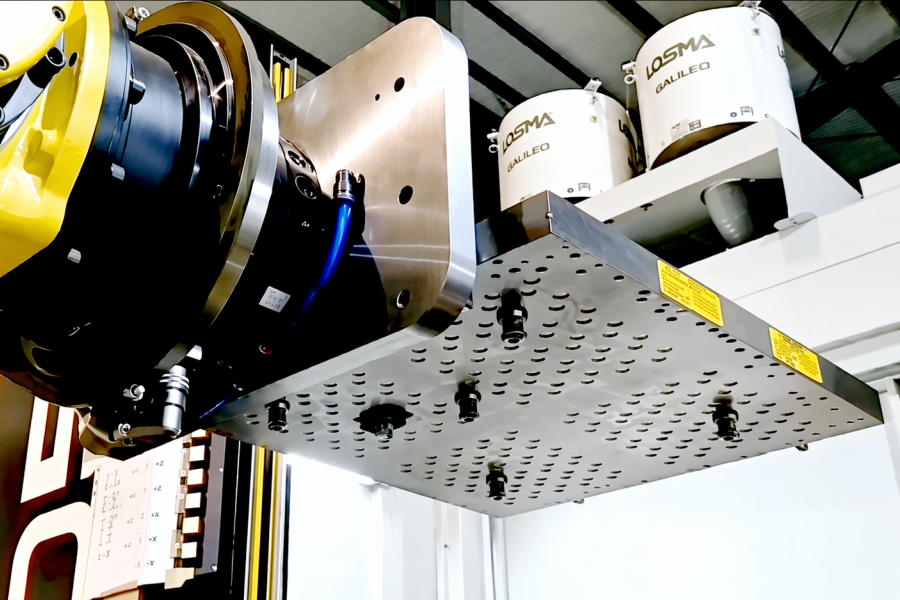
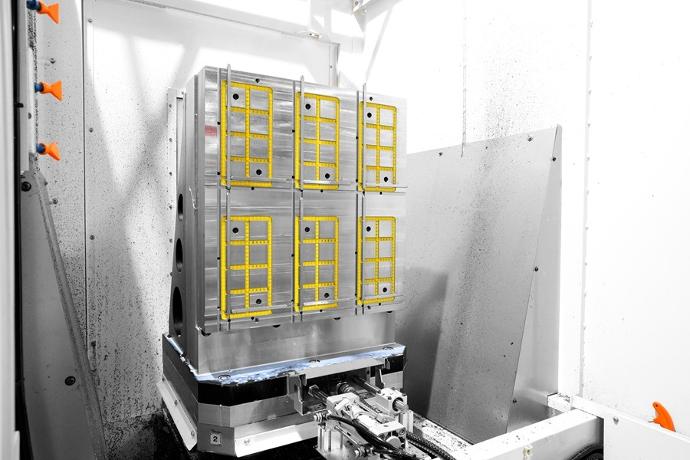
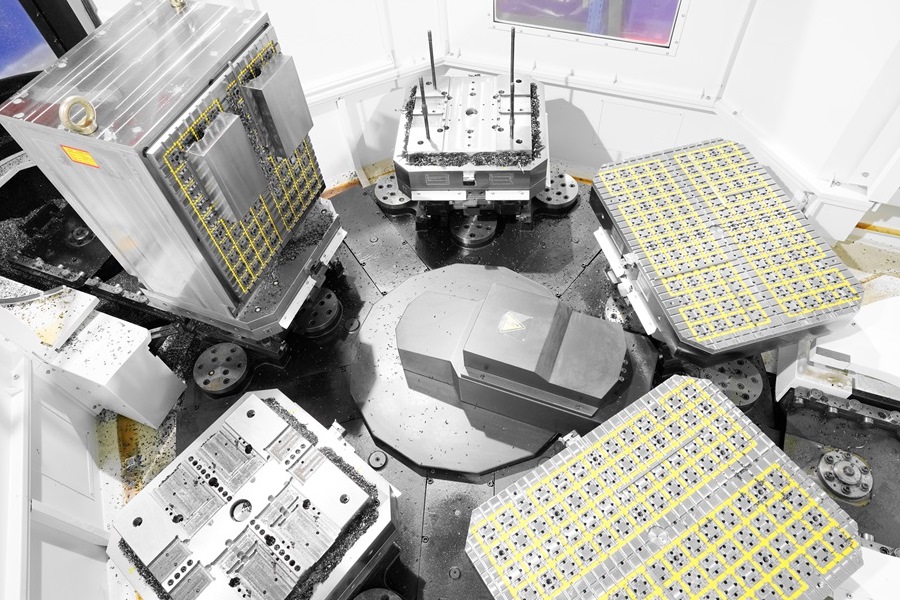
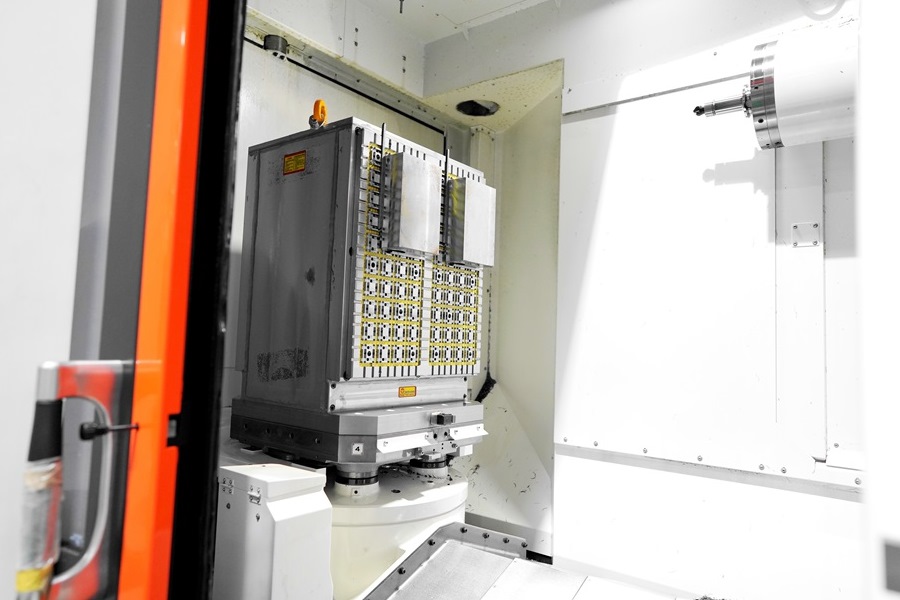
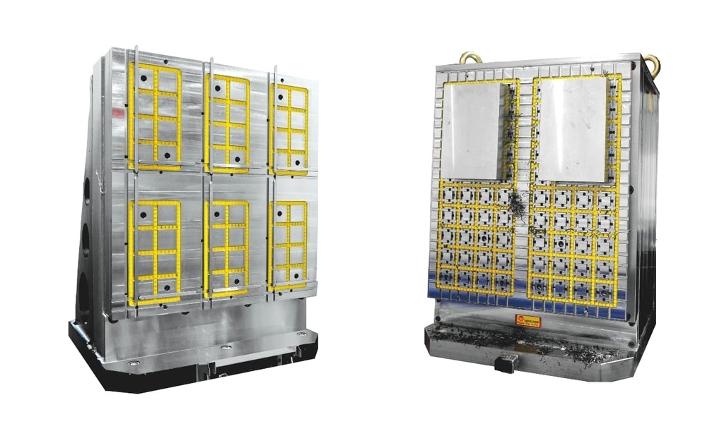
With the widespread adoption of five-sided machining, the demand for completing multi-face machining in a single setup has become increasingly important. Traditional fixtures typically require reserved space for clamps, which can create machining blind spots and necessitate multiple repositioning and setups. This not only increases time costs but may also lead to cumulative positioning errors. Magnetic workholding systems, on the other hand, provide uniform surface contact and clamping, minimizing obstruction of the workpiece surface and allowing tools to access multiple angles. This significantly enhances the completeness and efficiency of five-sided machining. Especially in mold manufacturing, aerospace components, and precision structural parts, the capability of “single setup, multi-face machining” greatly reduces process time while improving dimensional accuracy.
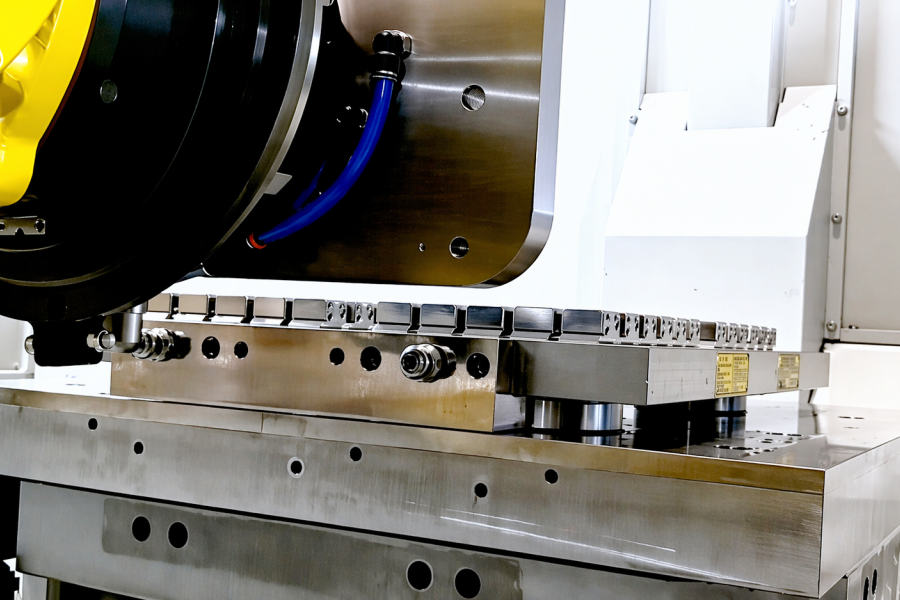
Magnetic workholding systems also demonstrate excellent performance in machining stability. The clamping force is evenly distributed across the entire contact surface, unlike traditional fixtures that may cause localized stress concentration. This effectively reduces workpiece deformation, making them particularly suitable for thin-walled or easily deformable materials. In addition, the stable clamping force helps reduce vibration during machining, thereby extending tool life and improving surface finish quality. In high-speed cutting and high-precision grinding applications, this stability is especially critical for maintaining consistent performance over long machining periods and reducing defect rates.
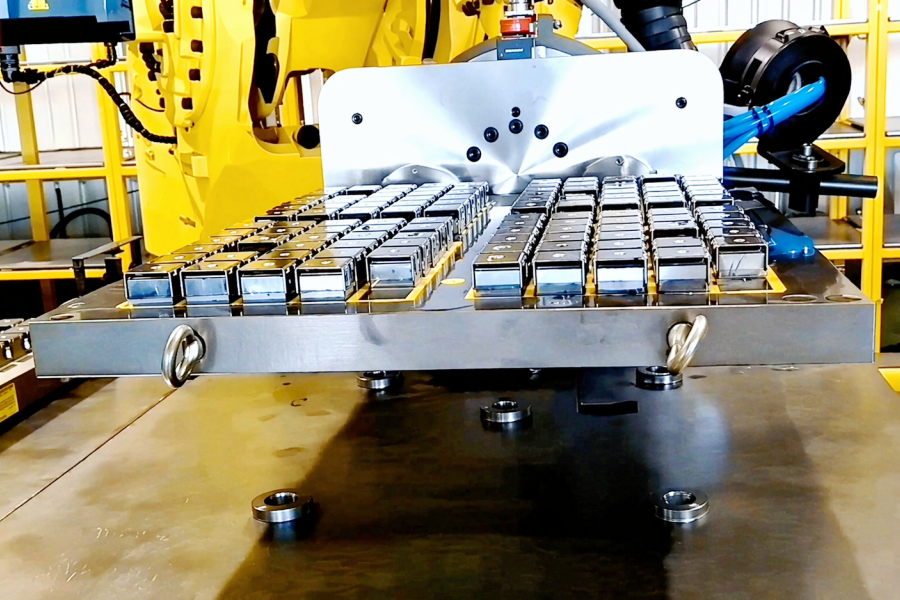
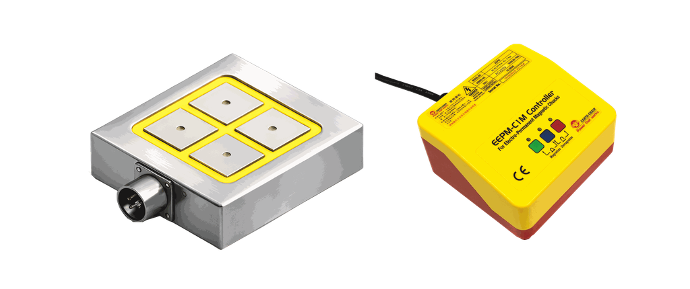
In terms of quality control, magnetic workholding systems offer significant advantages. Due to their standardized clamping method and high repeatability, positioning errors during each setup are minimal, ensuring consistency across production batches. Furthermore, some advanced magnetic systems feature zoned control, allowing localized magnetization and demagnetization based on the shape of the workpiece and machining requirements. This enhances flexibility and precision in clamping. Such controllability not only improves machining quality but also increases process flexibility, enabling manufacturers to respond quickly to diverse and low-volume production demands.
From an industry-wide perspective, smart manufacturing and digital transformation have become irreversible trends. Magnetic workholding systems play a crucial role in connecting equipment and processes within this transformation. Their simplified operation and high level of automation make them easier to integrate into smart factory frameworks, such as linking with machining centers, tool management systems, and production monitoring systems to form a complete digital manufacturing workflow. Through data feedback and real-time monitoring, companies can further optimize machining parameters and clamping strategies, achieving continuous improvement.
However, magnetic workholding is not suitable for all materials and machining conditions. For example, non-ferrous materials such as aluminum and copper require auxiliary fixtures or specialized designs. In addition, heavy cutting or high-temperature environments demand appropriate magnetic specifications and system configurations. Therefore, proper evaluation and planning based on actual machining requirements are essential when implementing magnetic workholding systems to maximize their benefits.
In conclusion, as the precision machining industry advances toward automation and five-sided machining, magnetic workholding systems, with their advantages of fast clamping, full-surface machining access, high stability, and high repeatability, are becoming essential tools for improving production efficiency and quality consistency. With ongoing technological advancements and accumulated application experience, magnetic workholding will no longer serve merely as auxiliary equipment but will become an indispensable component of smart manufacturing systems, bringing higher levels of competitiveness and growth potential to the manufacturing industry.