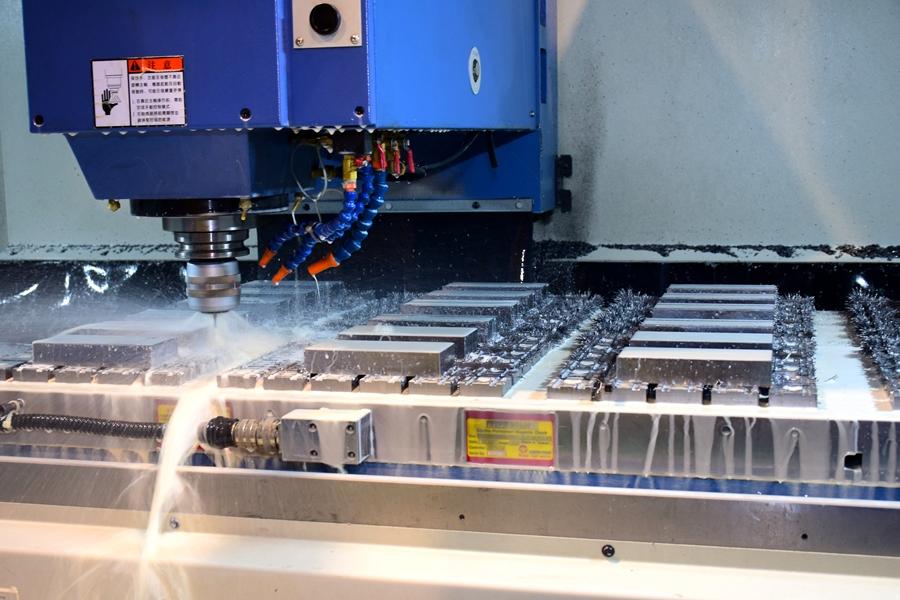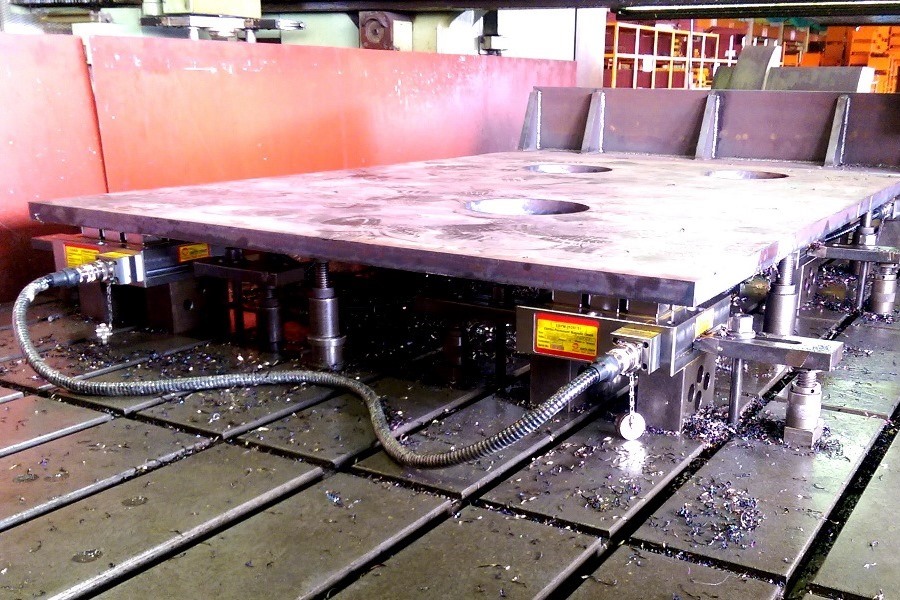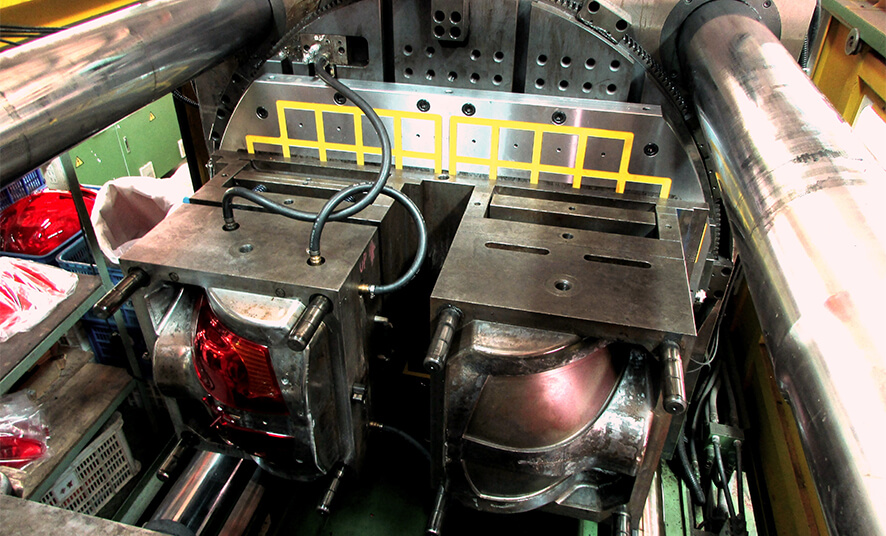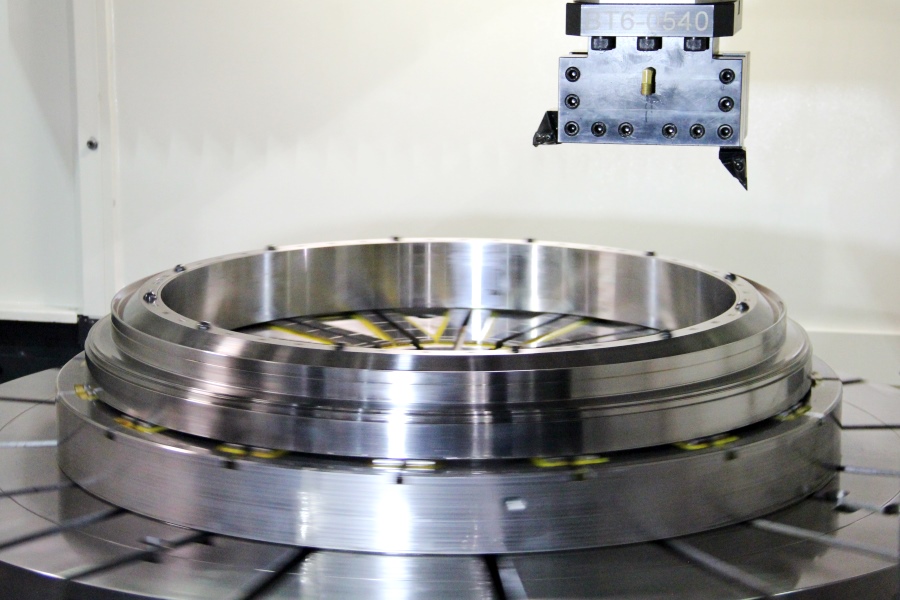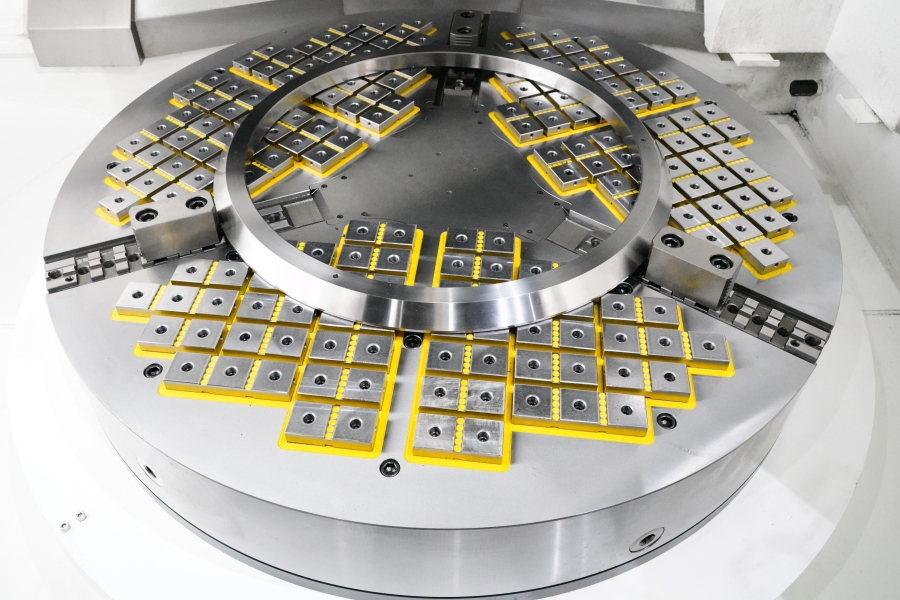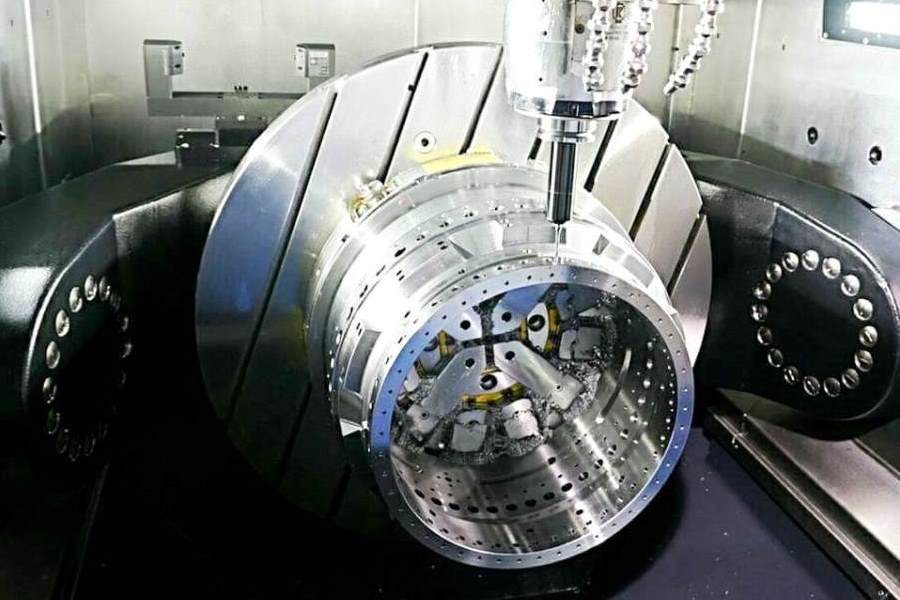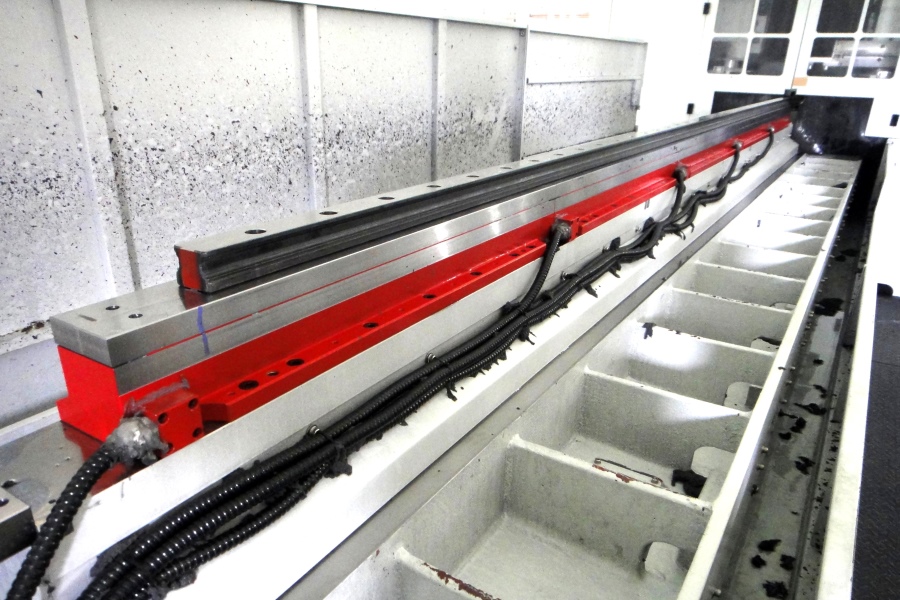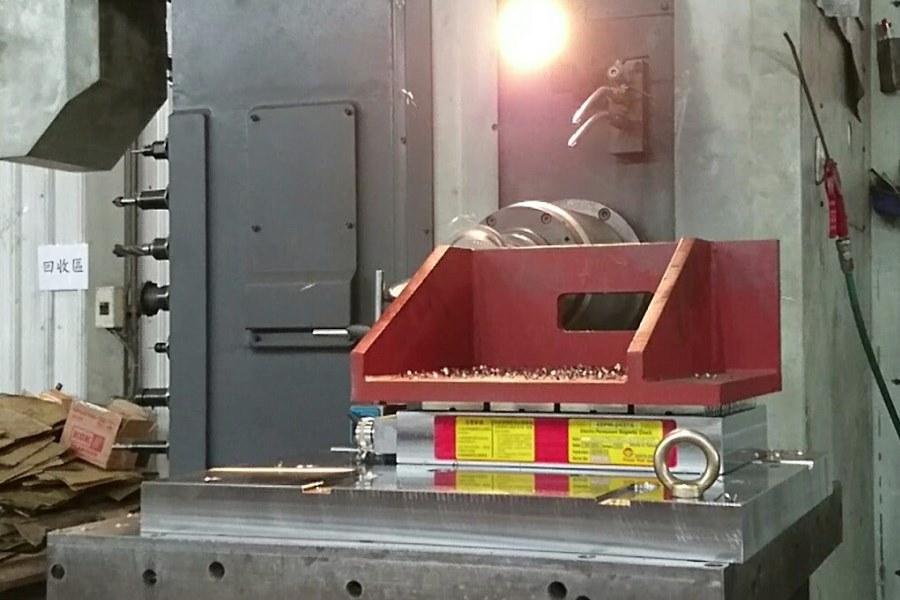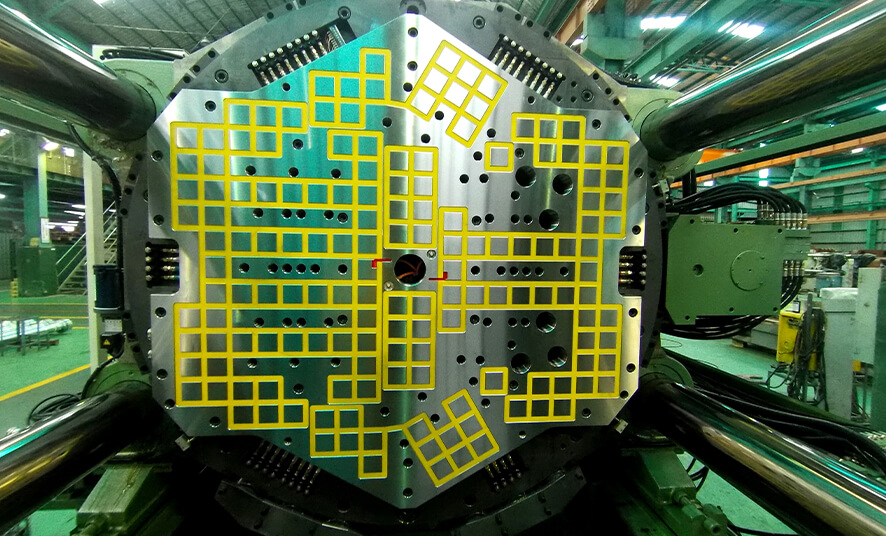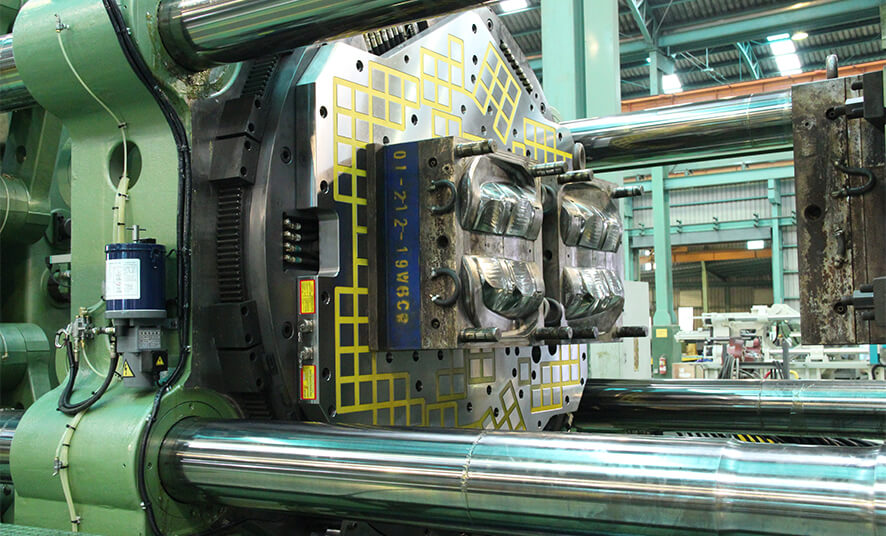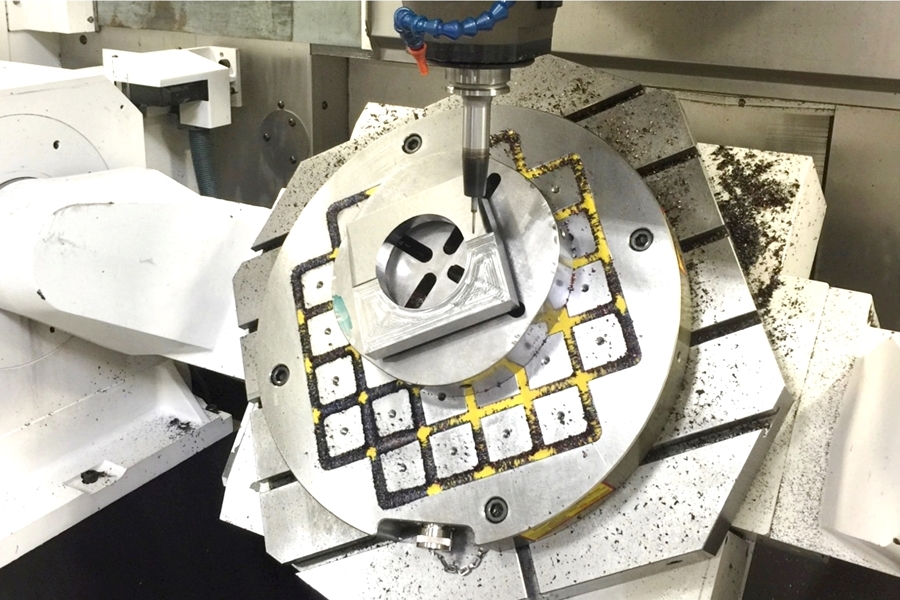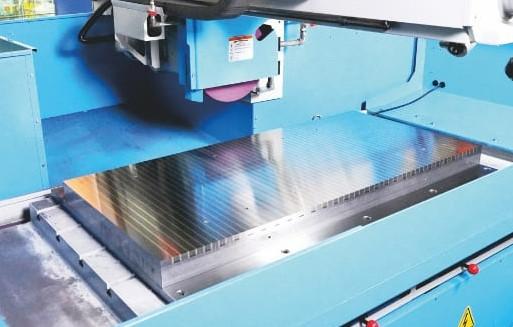
In modern CNC machining lines, workholding is no longer just an auxiliary tool—it has become a core factor that directly impacts efficiency, precision, and cost structure. As manufacturing shifts from mass production toward high-mix, low-volume and high-precision machining, traditional mechanical fixtures are increasingly unable to meet demands due to long setup times and the risk of workpiece deformation. In contrast, magnetic workholding, with its rapid clamping, uniform force distribution, and automation integration capabilities, has become a key upgrade option for many CNC factories. However, with significant variations in product specifications across the market, procurement decisions can easily become price-driven without a systematic evaluation framework, leading to overlooked critical performance factors. This article outlines how to select the most suitable magnetic workholding system based on five key aspects: clamping force, quick changeover, automation, precision, and safety.
Among all specifications, “clamping force” is undoubtedly the most intuitive—and the most misunderstood—indicator. Many buyers focus primarily on the maximum holding force listed in product specifications. In reality, however, clamping force is not a single parameter; it is determined by factors such as workpiece material, contact area, and surface condition. For example, low-carbon steel, with its excellent magnetic permeability, allows the magnetic system to perform effectively. In contrast, surface oxidation, excessive roughness, or the presence of holes can significantly reduce effective holding force. Workpiece thickness is also critical, as excessively thin parts may result in unstable clamping due to insufficient magnetic field penetration. Therefore, the correct procurement approach is not to pursue the “maximum force,” but to ensure that the holding force matches actual machining conditions, preventing slippage or vibration during processing.
Secondly, “quick changeover capability” is key to improving production efficiency. Traditional mechanical fixtures often require repeated tightening and adjustments, with each workpiece or batch change potentially taking tens of minutes. Magnetic systems, on the other hand, typically complete magnetization and demagnetization within seconds, drastically reducing non-machining time. In high-mix, low-volume production environments, this difference directly translates into higher throughput and shorter lead times. Beyond switching speed, modular design—such as adjustable poles, extension poles, or zoned control—is equally important, as it determines how quickly the system can adapt to different workpiece sizes and geometries. For factories with frequent production changes, quick changeover capability often provides more long-term value than clamping force alone.
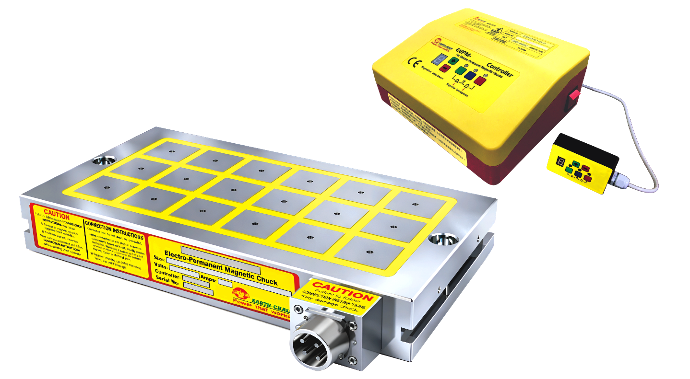
Third, “automation integration capability” determines the future flexibility of the production line. As smart manufacturing and unmanned machining become increasingly prevalent, magnetic workholding systems that cannot integrate with CNC controllers or robotic arms will have limited applicability. Automation-ready systems can use I/O signals to control magnetization and demagnetization, synchronizing with robotic operations for loading, positioning, and unloading, thereby forming a fully automated machining workflow. This not only reduces labor costs but also enhances consistency and process stability. From a procurement perspective, it is important to evaluate whether the system supports standard communication interfaces, includes safety feedback mechanisms, and can be integrated with existing production line architecture to avoid additional upgrade costs in the future.
Fourth, “precision” is a core factor affecting product yield and quality stability. Unlike mechanical fixtures that apply localized clamping pressure, magnetic workholding provides evenly distributed holding force, effectively minimizing deformation caused by uneven stress. This is particularly advantageous for thin plates, precision components, and multi-face machining. However, different magnetic systems vary in magnetic field uniformity and pole design. Poor design may still lead to insufficient local holding force or slight movement during machining. Therefore, when evaluating precision, it is essential to consider not only flatness and positioning capability, but also pole arrangement, magnetic field stability, and the availability of auxiliary positioning features to ensure consistent performance during machining.
Finally, “safety” is the most easily overlooked yet non-negotiable factor. In high-speed CNC machining, workpiece detachment can result in equipment damage or even personal injury. Compared to traditional fixtures that may fail due to loose screws or operator error, magnetic workholding systems—especially permanent magnet or electro-permanent systems—can maintain holding force even during power loss, significantly enhancing safety. Advanced systems often include magnetic force monitoring, fault alerts, and overload protection, providing real-time feedback on clamping conditions and reducing risk. For high-value workpieces or long-duration unattended machining, safety mechanisms may even outweigh other performance considerations.
In summary, selecting a magnetic workholding system should not rely on a single parameter, but rather on a comprehensive evaluation of overall production requirements. For production lines focused on large-volume, single-product manufacturing, clamping force and stability should be prioritized. For high-mix, low-volume operations, quick changeover capability becomes more critical. If automation is part of future planning, system integration capability is essential. Regardless of the application, precision and safety remain fundamental requirements. By systematically analyzing these five aspects, procurement professionals can efficiently identify the most suitable solution among a wide range of products.
Ultimately,
the value of magnetic workholding lies not merely in its ability to “hold” a
workpiece, but in its capacity to enhance efficiency and enable production
upgrades while ensuring safety and precision. For CNC manufacturers seeking
competitive advantage, selecting the right magnetic workholding system is a
crucial step toward smart manufacturing.