As the modern manufacturing industry continues to move toward higher precision and automation, workholding technology has become a critical factor influencing machining quality and production efficiency. In the past, traditional clamping methods such as vises, step clamps, and hydraulic fixtures were widely used across various machining environments. However, as industrial demands evolve, their limitations have gradually become apparent. In contrast, the electro-permanent magnetic chuck, as an advanced magnetic workholding system, is rapidly becoming a key solution in high-end manufacturing due to its high precision, efficiency, and energy-saving characteristics. Therefore, comparing electro-permanent magnetic chucks with traditional clamping methods has become an important decision-making reference for many manufacturers when upgrading equipment.
1. Technical Advantages of Electro-Permanent Magnetic Chucks
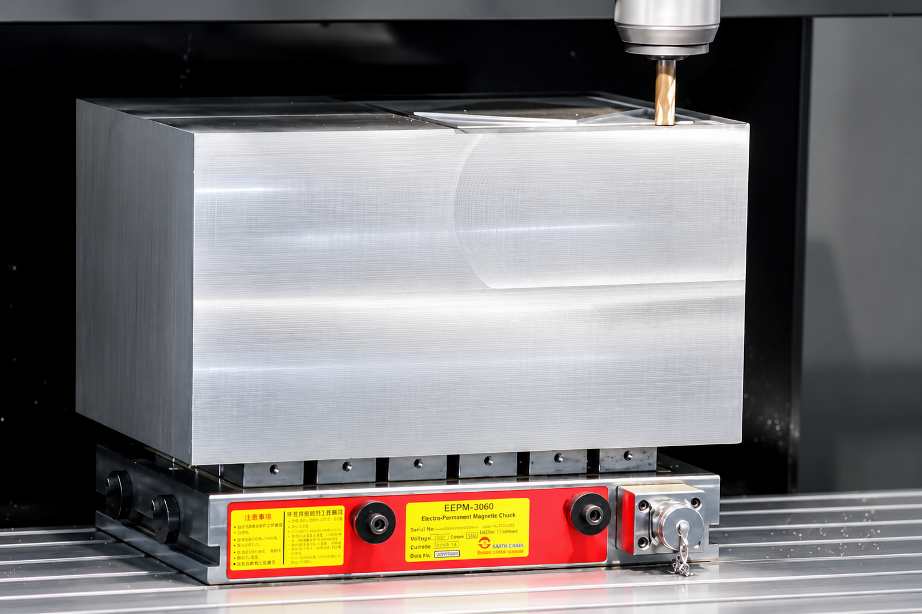
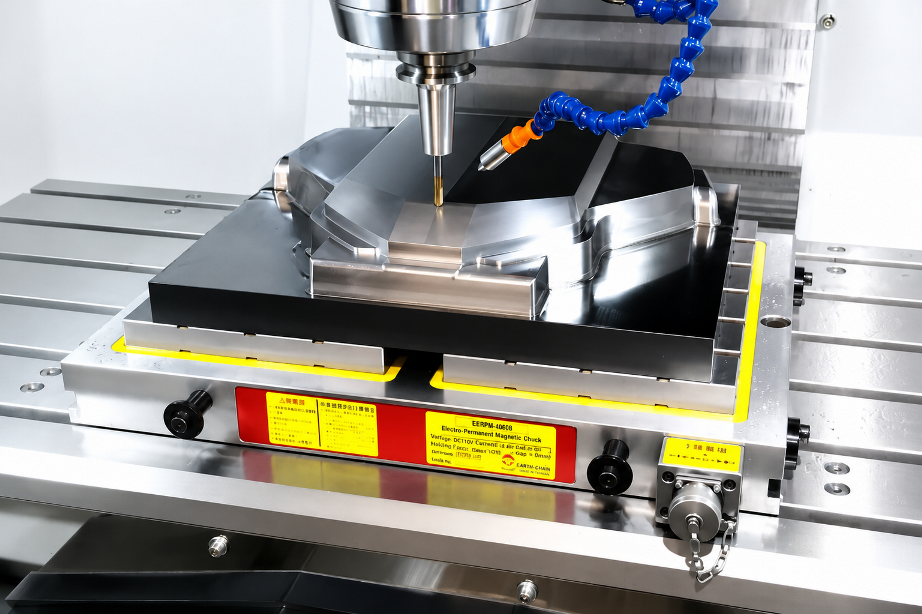
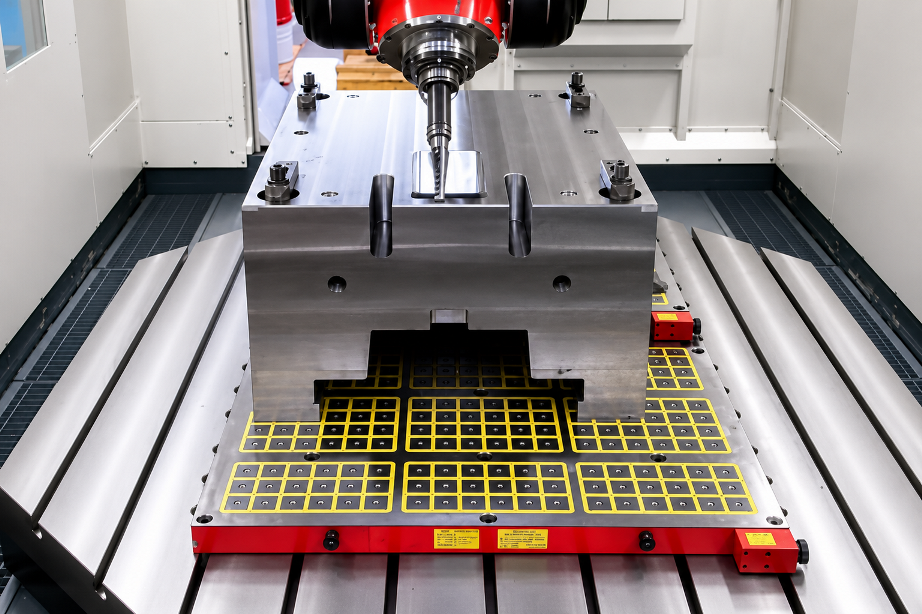
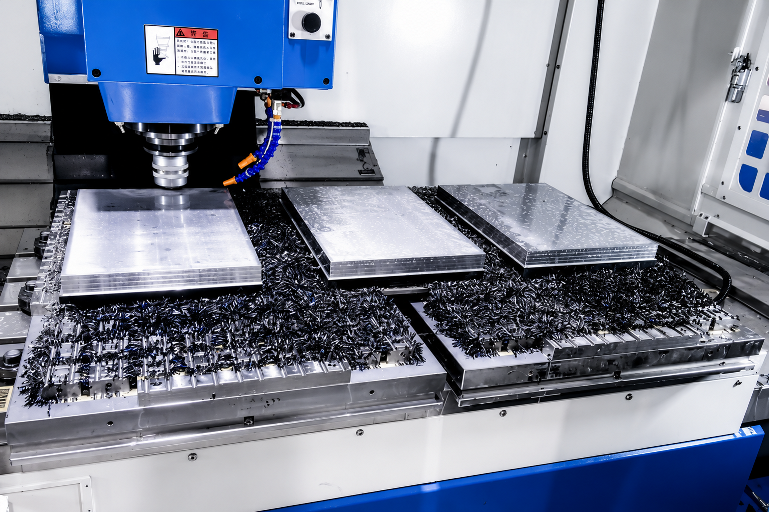
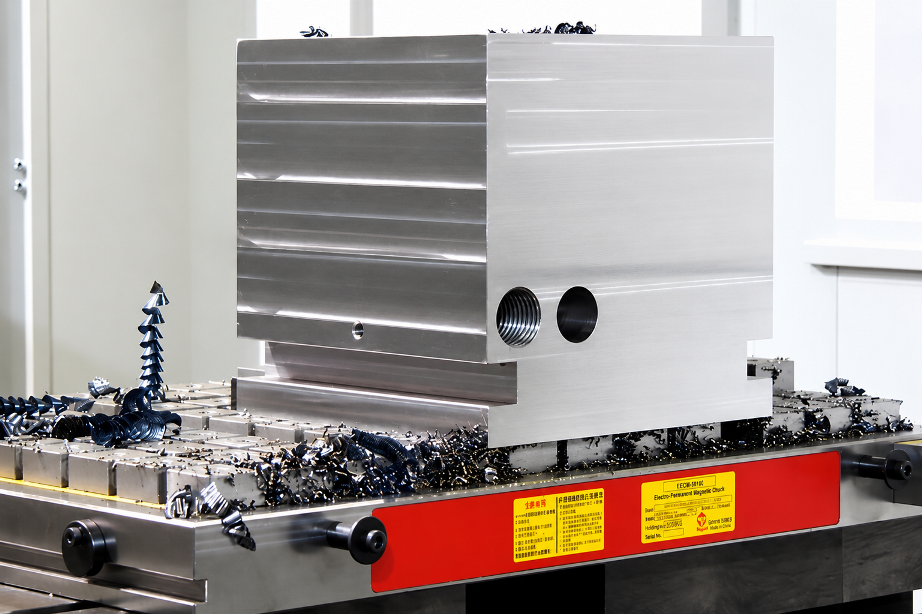
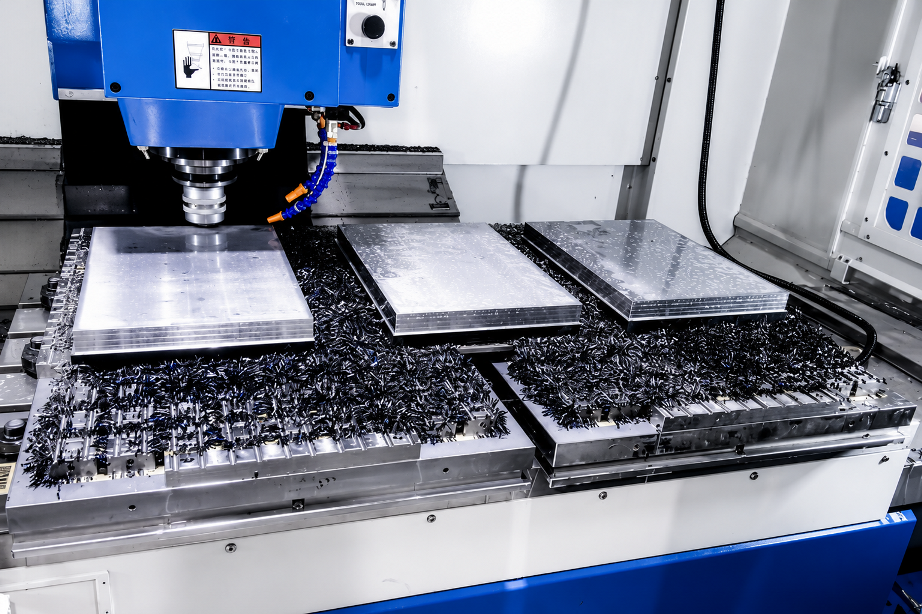
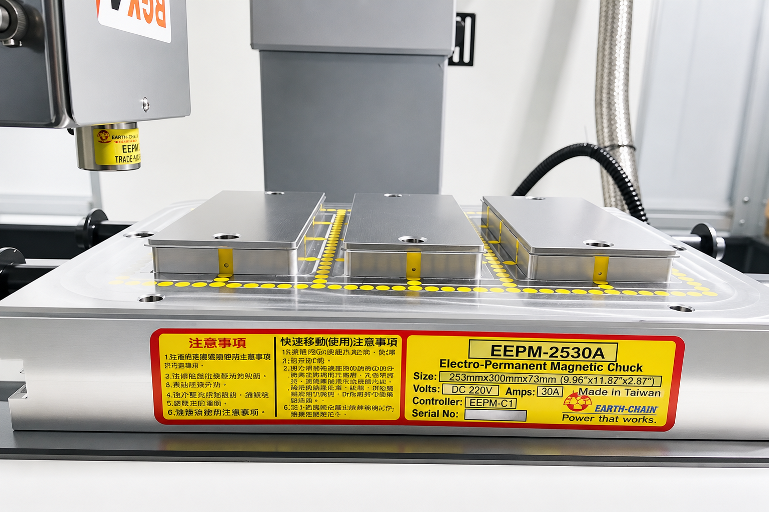
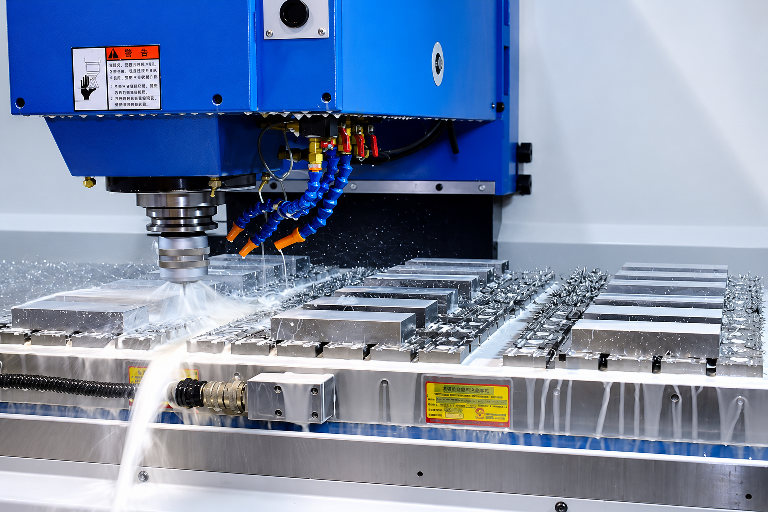
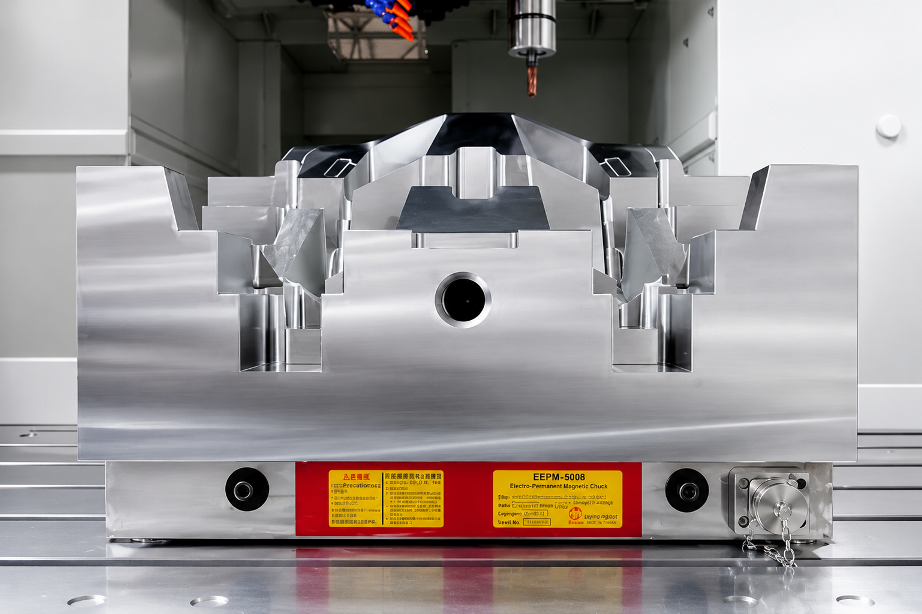
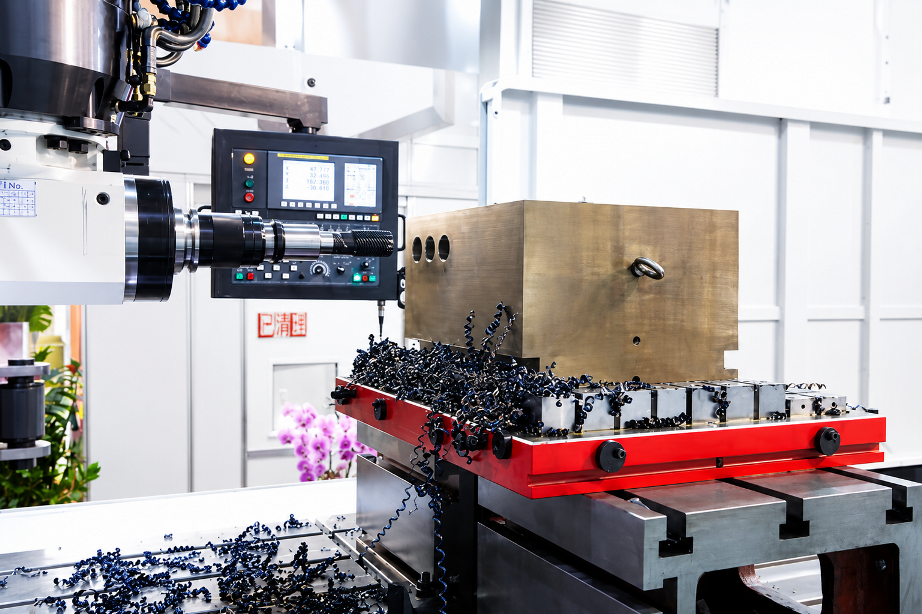
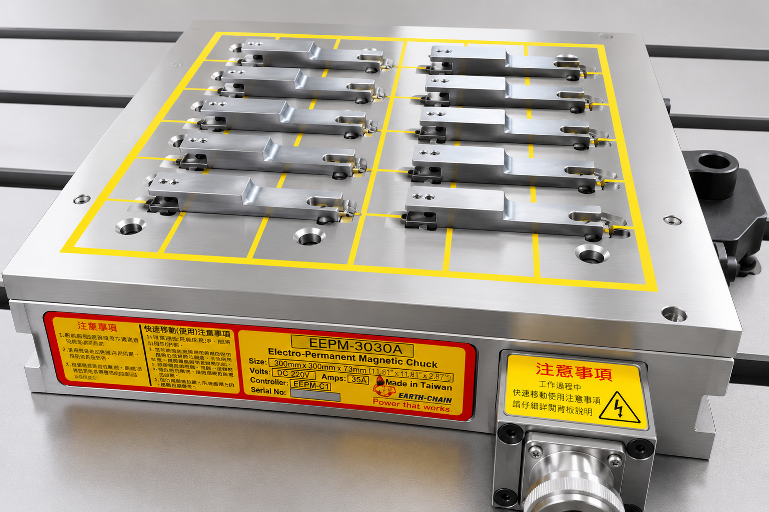
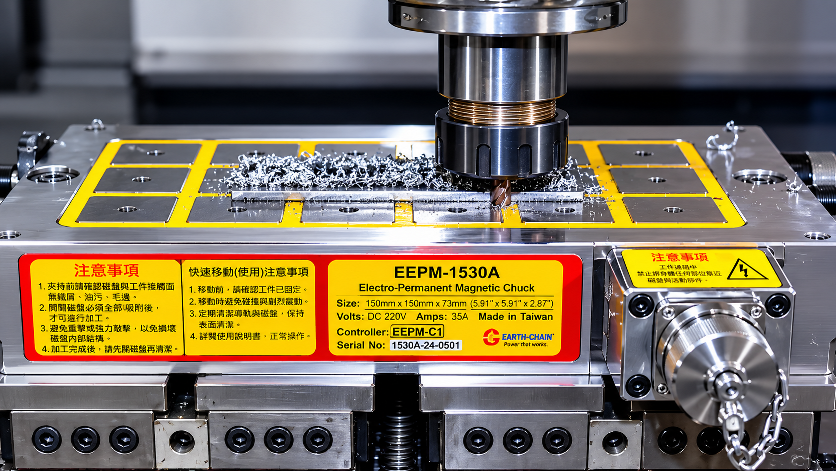
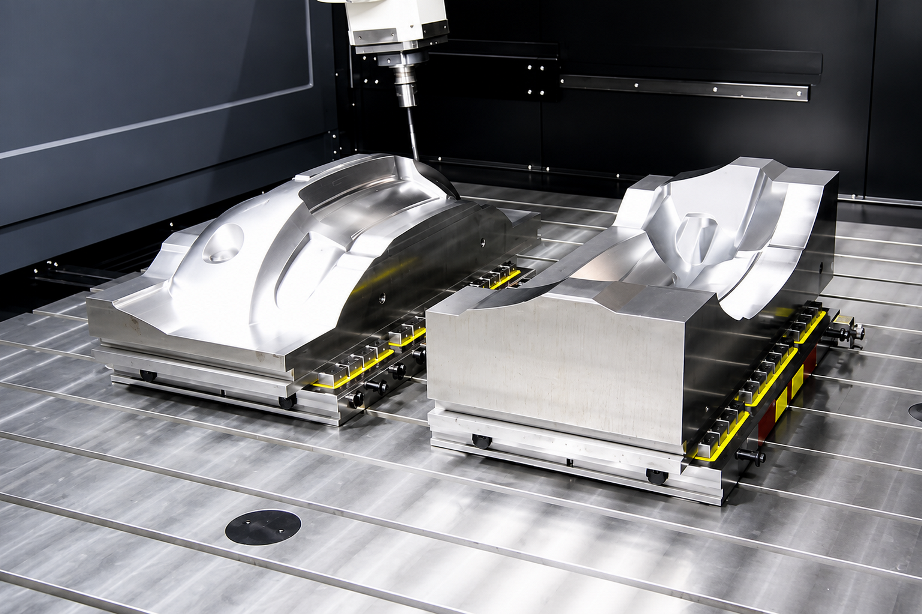
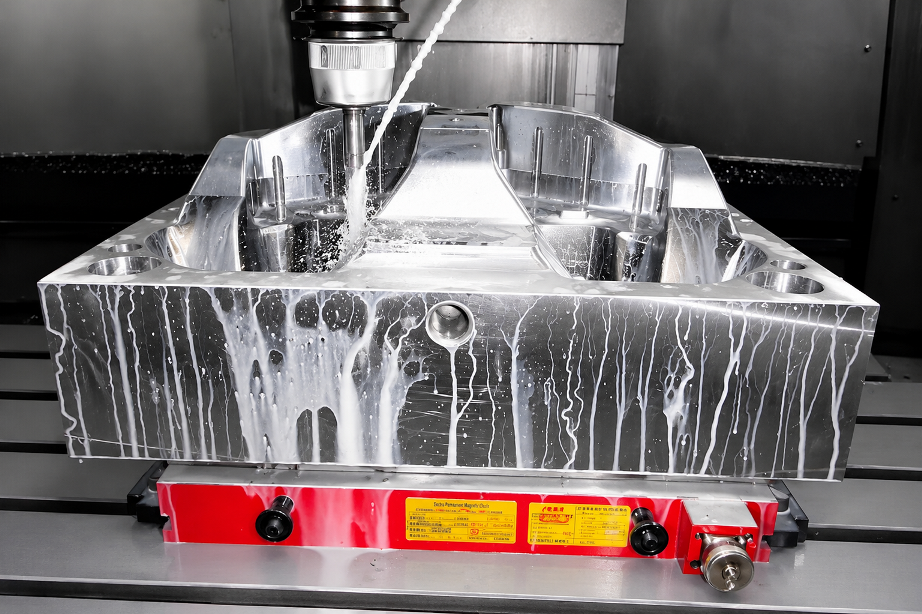
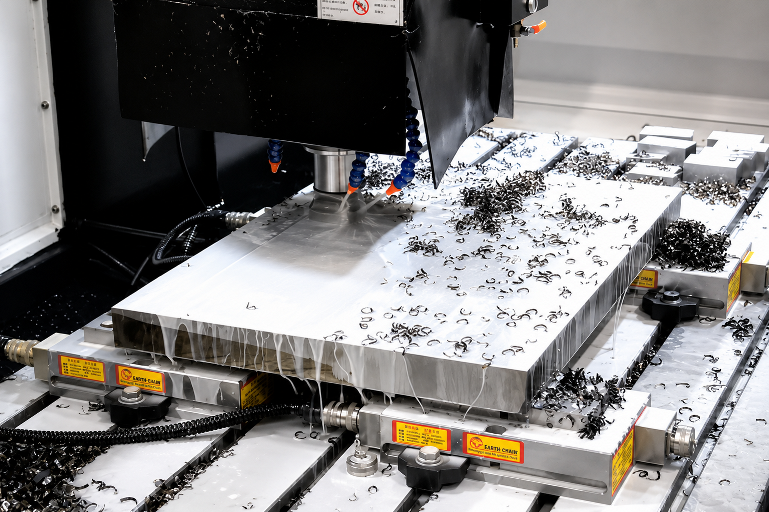
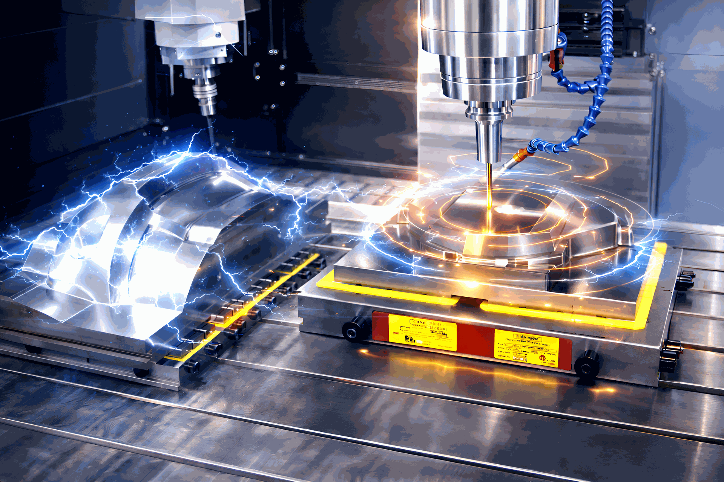
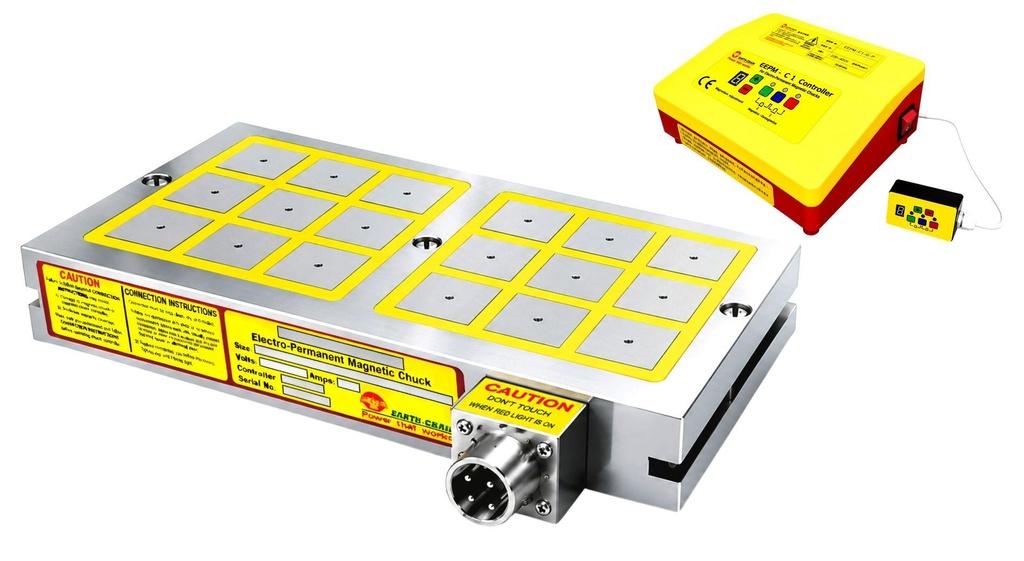
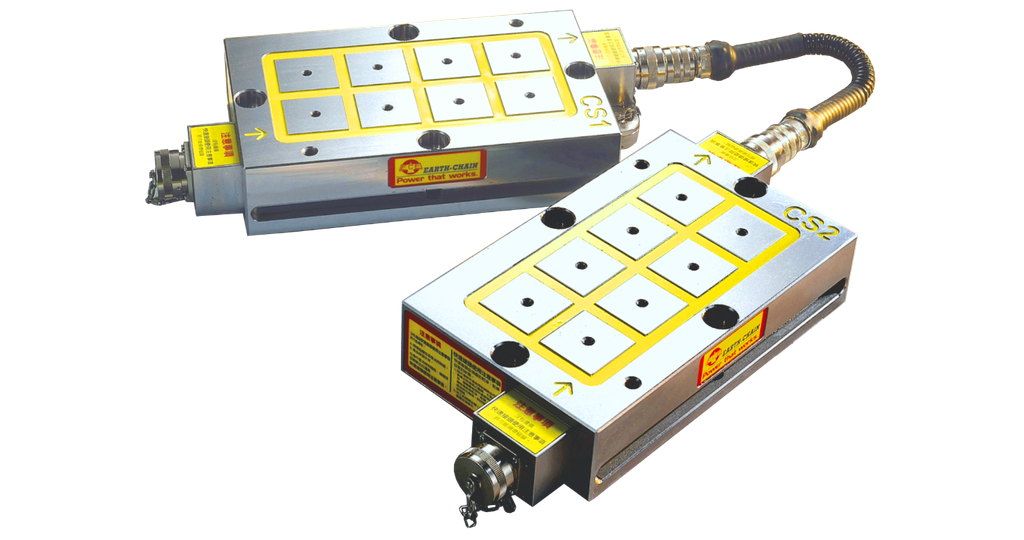
An electro-permanent magnetic chuck is an innovative clamping system that combines permanent magnets with electronic control technology. Its most distinctive feature is “instant energizing with continuous magnetic holding.” In other words, the system consumes power only during magnetization and demagnetization; once the workpiece is clamped, it maintains magnetic force without continuous power. This design provides significant energy savings while eliminating heat generation caused by constant electrical current. For long-duration surface grinding and precision machining, this characteristic effectively reduces thermal deformation and ensures dimensional stability. Additionally, the magnetic poles are evenly distributed across the chuck surface, allowing the workpiece to fully contact the surface and achieve uniform clamping force. This “full-surface force distribution” helps eliminate stress concentration commonly found in traditional clamping, thereby improving machining accuracy.
2. Applications and Limitations of Traditional Clamping Methods
Traditional clamping methods rely on mechanical structures to apply pressure to the workpiece, such as tightening with vises or fixing with clamps. While these methods are straightforward and cost-effective, their fundamental nature involves “localized force application,” which can easily lead to deformation in high-precision machining. When pressure is applied only at a few contact points, it may cause warping or slight displacement, affecting machining results. Furthermore, clamping points can restrict tool paths, limiting machining accessibility and often requiring multiple repositioning operations, which reduces overall efficiency. In automated manufacturing environments, traditional fixtures are even less suitable, as they rely heavily on manual operation and are difficult to integrate with CNC magnetic workholding systems or zero-point positioning technology.
3. Accuracy Comparison: The Comprehensive Advantage of Magnetic Workholding
In terms of precision, electro-permanent magnetic chucks clearly outperform traditional clamping methods. Because magnetic force is evenly distributed across the entire contact surface, the workpiece receives full support, preventing deformation caused by localized pressure. Especially in high-precision applications such as mold machining and precision grinding, magnetic chucks can maintain long-term stability and ensure dimensional consistency. In contrast, traditional clamping methods are more susceptible to operator technique and clamping position, leading to variability in machining accuracy.
4. Efficiency Improvement: The Key to Automation and Fast Clamping
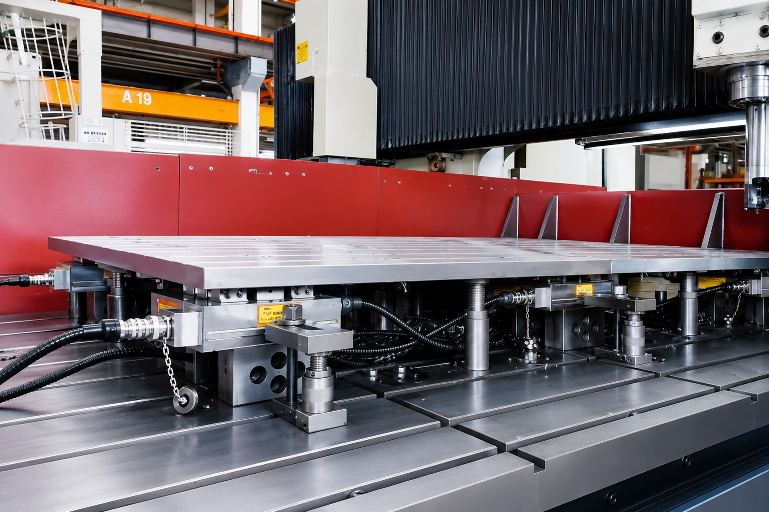
Electro-permanent magnetic chucks offer significant advantages in machining efficiency. Through electronic control, workpieces can be clamped and released quickly, greatly reducing setup and changeover time. This fast response makes them particularly suitable for automated production lines and CNC machining environments. When integrated with zero-point positioning systems, production efficiency and consistency can be further enhanced. On the other hand, traditional clamping requires manual tightening and adjustment, which is time-consuming and prone to inconsistencies.
5. Safety and Stability Analysis
Safety is a critical factor in industrial machining. One major advantage of electro-permanent magnetic chucks is their “fail-safe magnetic holding” capability—meaning that even in the event of a power outage, the magnetic force remains intact, preventing the workpiece from falling. Additionally, since no continuous power is required, there is no overheating issue, which enhances operational safety. In contrast, traditional clamping relies on mechanical fastening; insufficient tightening or loosening during long machining cycles may pose safety risks.
6. Thermal Stability and Machining Quality
Thermal stability is one of the key factors affecting machining accuracy. Electro-permanent magnetic chucks generate virtually no additional heat due to the absence of continuous current, maintaining a stable machining environment—especially important for long-duration grinding processes. Traditional clamping methods, however, may produce localized heat due to friction and pressure over time, potentially affecting machining precision and workpiece quality.
7. Cost and Return on Investment (ROI)
From a cost perspective, electro-permanent magnetic chucks require a higher initial investment. However, their long-term benefits are significant. By improving machining efficiency, reducing labor dependency, and minimizing defect rates, manufacturers can achieve a higher return on investment over time. This high-performance workholding solution is particularly suitable for companies pursuing high productivity and superior quality. Although traditional clamping methods have lower upfront costs, their limitations in efficiency and quality may lead to increased hidden costs in the long run.
8. Conclusion: Which Clamping Method Is Better?
Based on the comparison above, electro-permanent magnetic chucks demonstrate clear advantages in precision, efficiency, safety, and thermal stability. For manufacturers seeking high-precision machining, automation, and long-term value, magnetic workholding systems are undoubtedly the better choice. However, for small workpieces or low-budget environments, traditional clamping methods still retain certain practical value.
Closing: Magnetic Workholding Leads the Future of Manufacturing
With the advancement of smart manufacturing and Industry 4.0, magnetic workholding technology is gradually replacing traditional fixtures and becoming an essential component of modern machining. Electro-permanent magnetic chucks not only enhance efficiency and quality but also provide long-term competitive advantages for manufacturers. In the future manufacturing landscape, choosing the right workholding technology will be a key factor in determining sustainable growth and success.