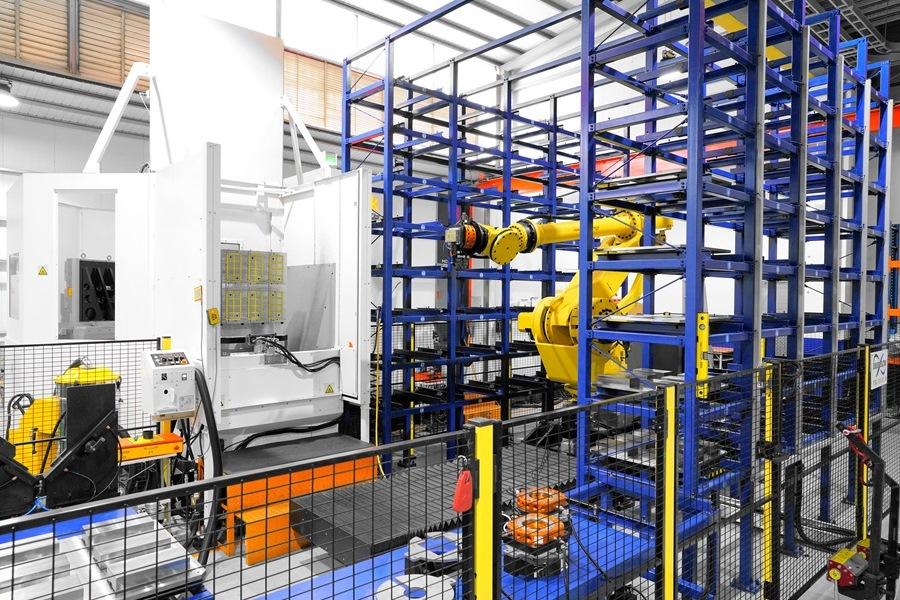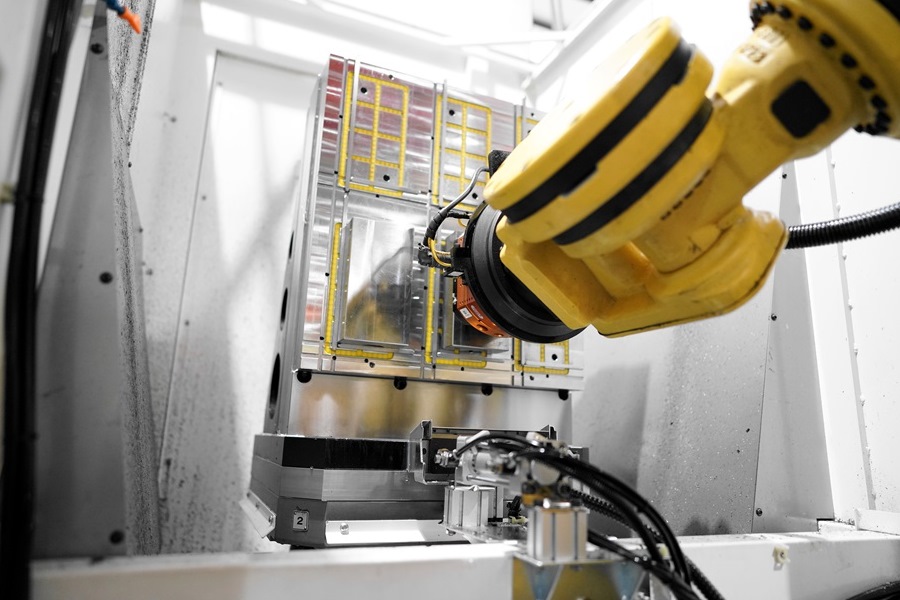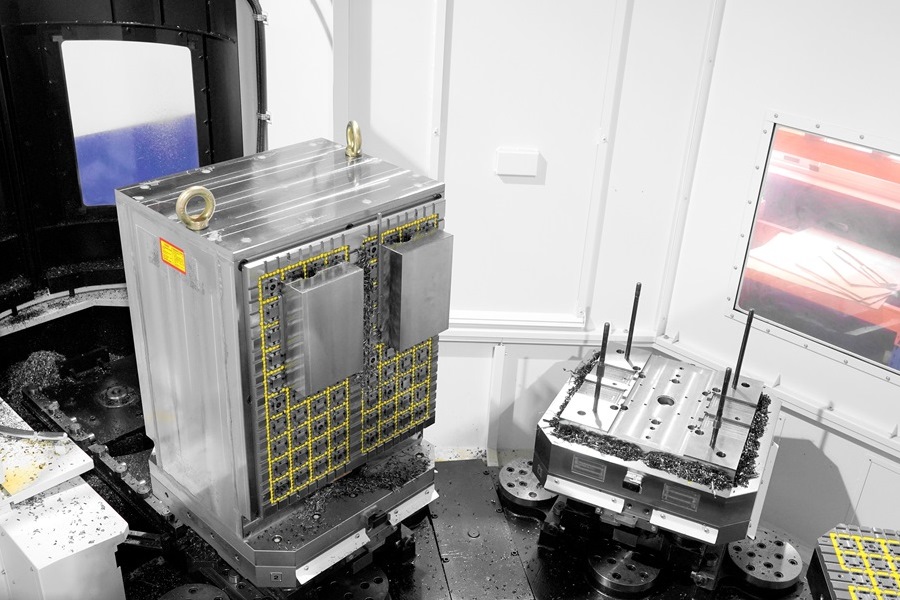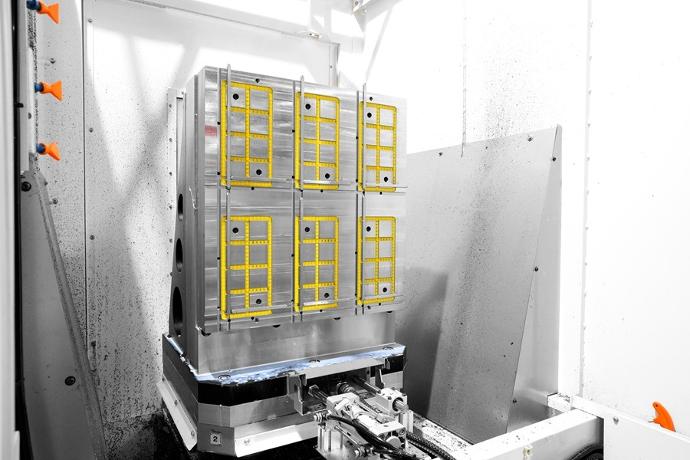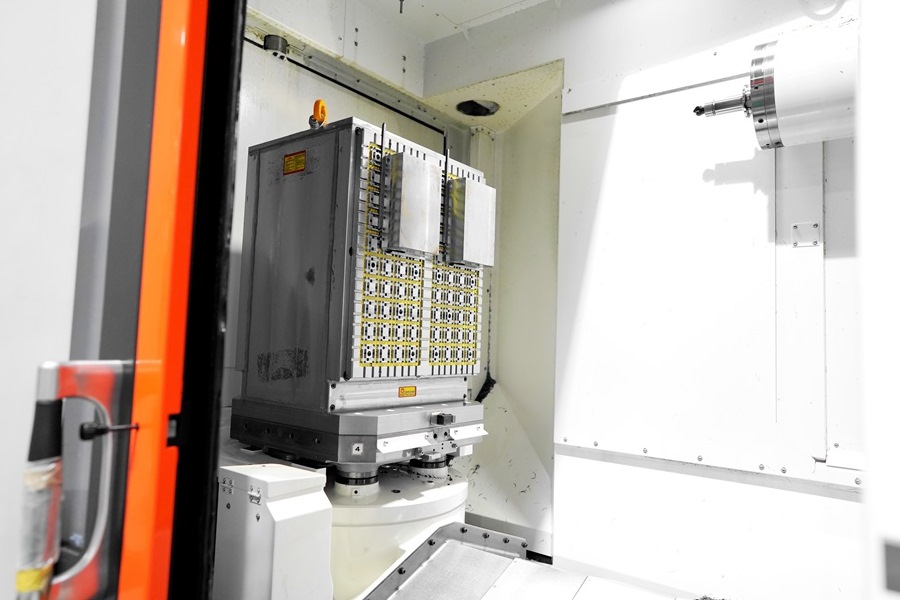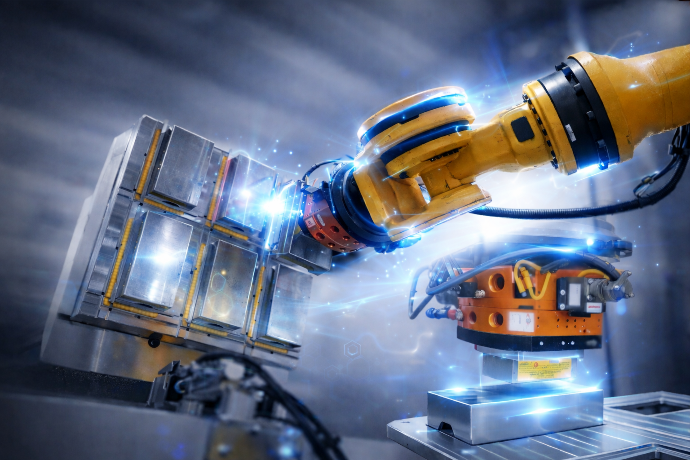
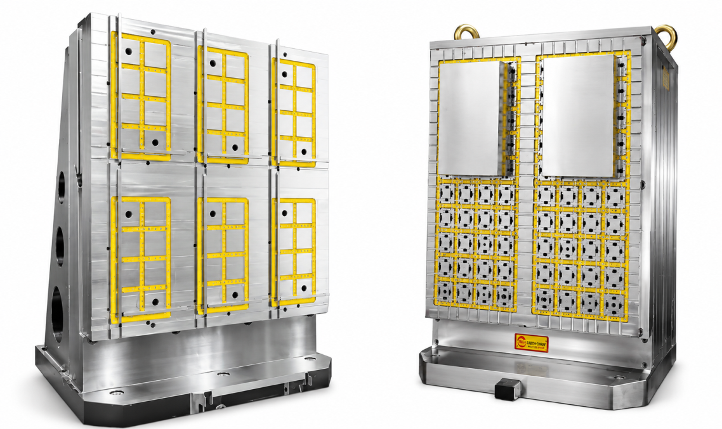
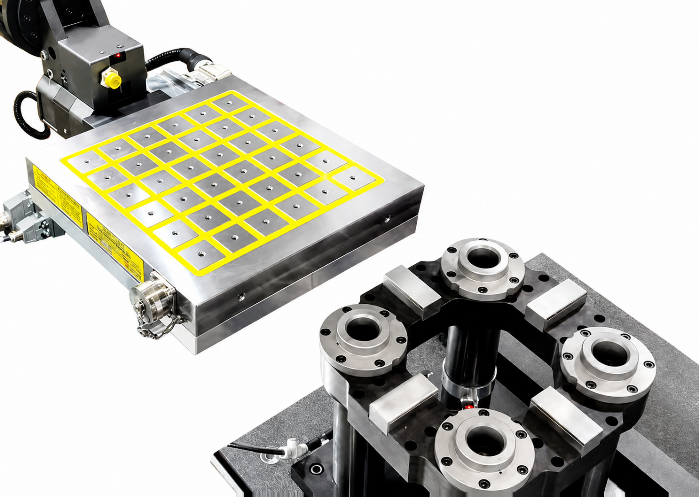
A magnetic automatic clamping system is an advanced workholding technology that uses the magnetic force generated by high-performance permanent magnets and intelligent electronic controllers to secure and position workpieces. It is widely used in machining, automated production lines, mold manufacturing, CNC machining centers, and precision grinding. Compared with traditional mechanical vises, hydraulic fixtures, or pneumatic clamps, magnetic automatic clamping systems offer advantages such as high efficiency, high stability, and low maintenance costs, and have gradually become essential equipment in modern smart manufacturing.
First, in terms of clamping efficiency, the most notable feature of a magnetic automatic clamping system is “one-touch activation with instant clamping.” Through an electronically controlled magnetic field switch, clamping or release can be completed within seconds, significantly reducing changeover and mold replacement time. This makes it especially suitable for high-mix, low-volume flexible production. Operators no longer need to repeatedly tighten screws or adjust pressure plates, which not only saves labor time but also reduces human error and increases overall productivity.
Second, regarding clamping stability and machining accuracy, magnetic clamping provides uniform surface contact, unlike traditional mechanical fixtures that apply point or line pressure. The magnetic force is evenly distributed across the entire contact surface, ensuring more uniform stress on the workpiece and effectively reducing deformation and vibration. This is particularly suitable for thin plates, precision components, or easily deformable metal materials. The evenly distributed holding force also improves surface flatness and dimensional stability, which is especially important for high-precision industries such as aerospace, medical devices, and precision mold manufacturing.
In terms of safety, modern magnetic automatic clamping systems commonly adopt electro-permanent magnet (EPM) technology. This technology changes the magnetic pole arrangement at the moment of energization to generate or eliminate magnetic force, but does not require continuous power while in the clamped state. Even in the event of a sudden power outage, the magnetic force remains in its original holding state, preventing immediate loss of clamping force and reducing the risk of workpiece detachment. In addition, because continuous power is not required, energy consumption is significantly reduced, contributing to energy savings.
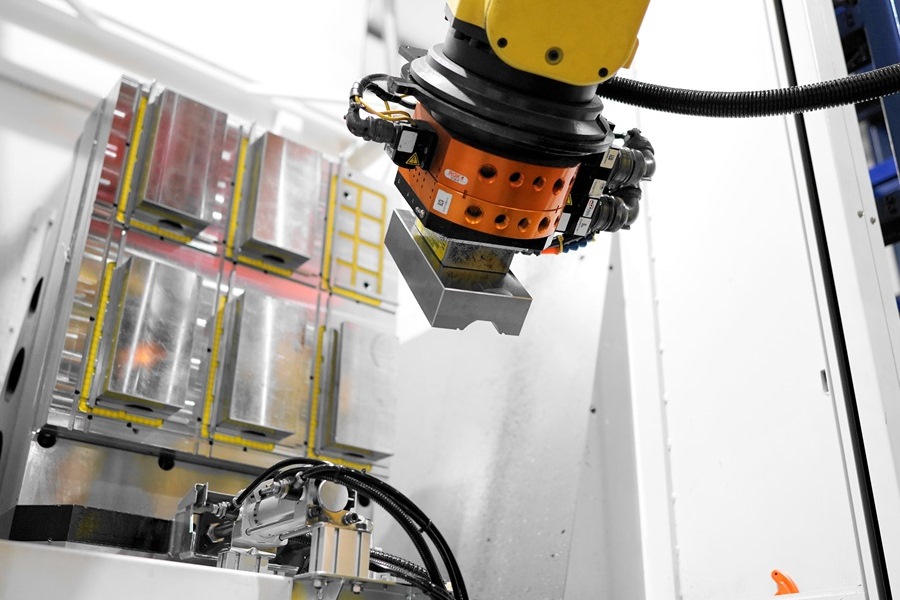
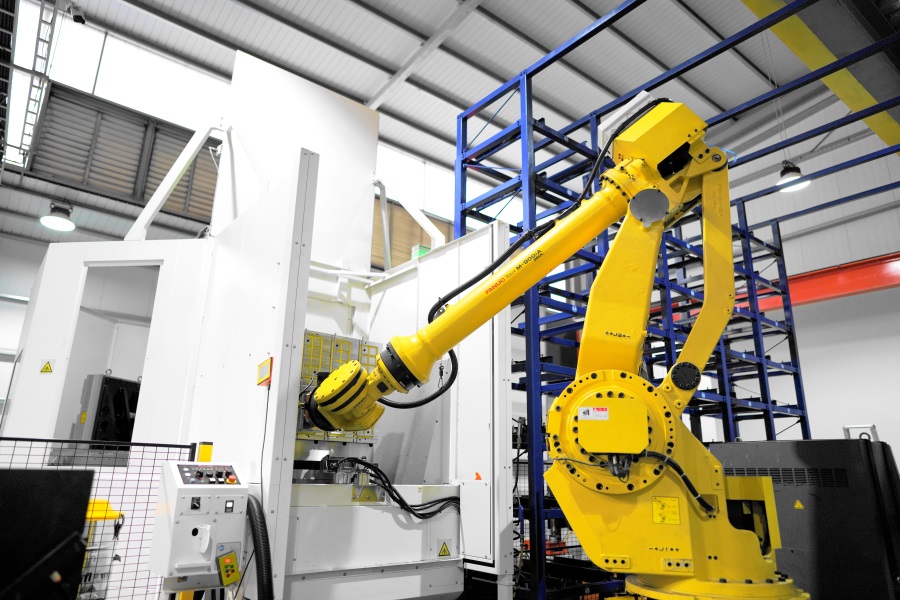
From a structural and maintenance perspective, magnetic clamping systems have almost no complex mechanical transmission components. They do not require hydraulic systems, pneumatic pipelines, or extensive lubrication, reducing the risks of oil leakage and contamination. Their simple and durable structure ensures a long service life and low daily maintenance requirements, helping minimize equipment downtime and maintenance costs. Moreover, the modular design makes them easy to integrate into automated production lines or robotic systems, enhancing the overall flexibility of smart manufacturing.
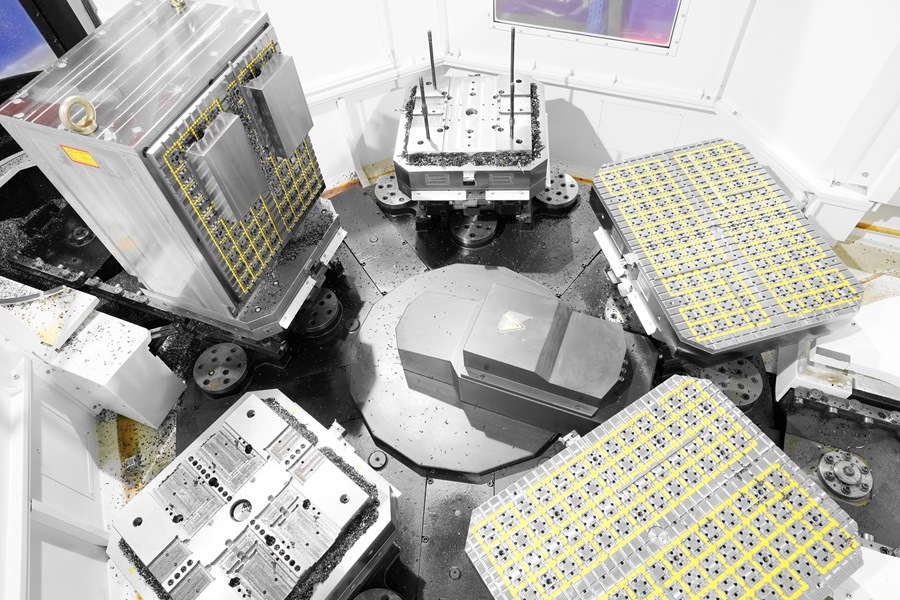
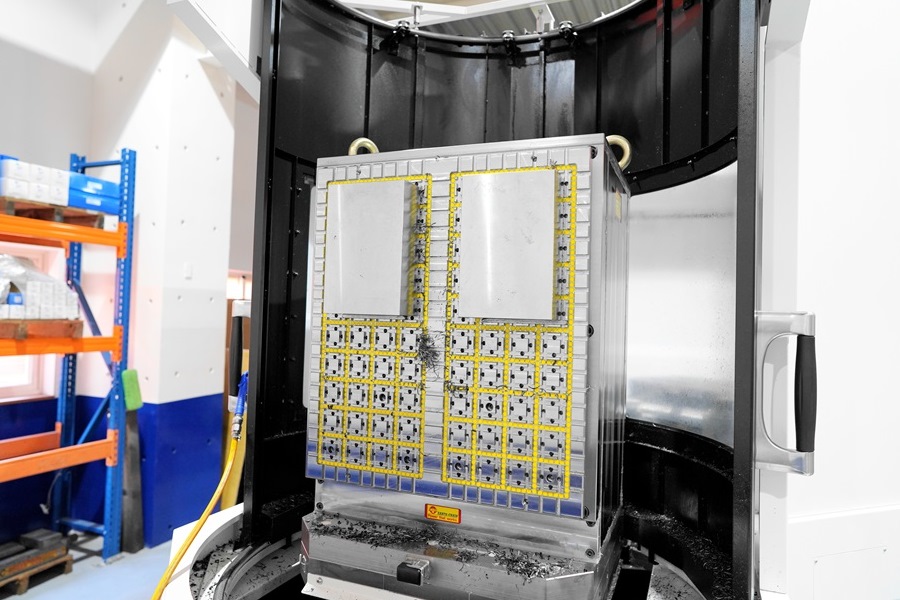
In terms of application flexibility, magnetic automatic clamping systems are suitable for various ferromagnetic materials, including carbon steel, alloy steel, and certain magnetic grades of stainless steel. Some advanced systems can also be combined with locating pins or auxiliary clamping plates to enhance shear force resistance, making them suitable for heavy-duty cutting operations. Additionally, the magnetic chuck surface can be customized with T-slots, locating holes, or dedicated fixture plates to increase clamping versatility.
Overall, magnetic automatic clamping systems offer multiple
advantages, including high efficiency, high precision, safety, energy savings,
and low maintenance costs. They align with the development trend of automation
and intelligent manufacturing in modern industry. With continuous advancements
in magnetic materials and control technologies, both holding force and control
precision are steadily improving, and application areas are expanding. For
companies seeking to enhance productivity, improve machining quality, and
reduce long-term operating costs, magnetic automatic clamping systems represent
a highly worthwhile investment.