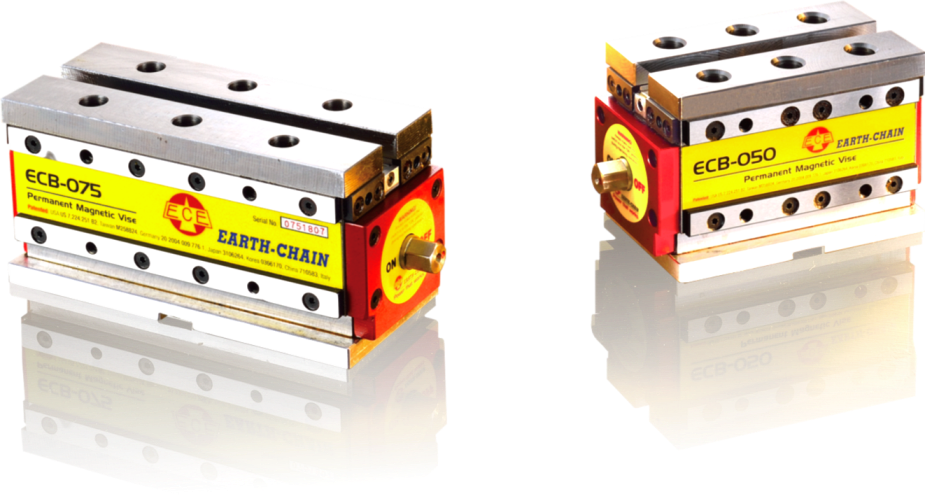
In the modern precision machining industry, the choice of clamping method directly affects machining accuracy, efficiency, and overall production costs. The Magnetic Clamping Block, with its modular design and highly stable magnetic clamping technology, overcomes the limitations of traditional mechanical fixtures and has become an essential tool for enhancing manufacturing competitiveness. Its core value lies not only in its clamping capability, but also in its comprehensive benefits in process integration, precision control, and cost optimization.
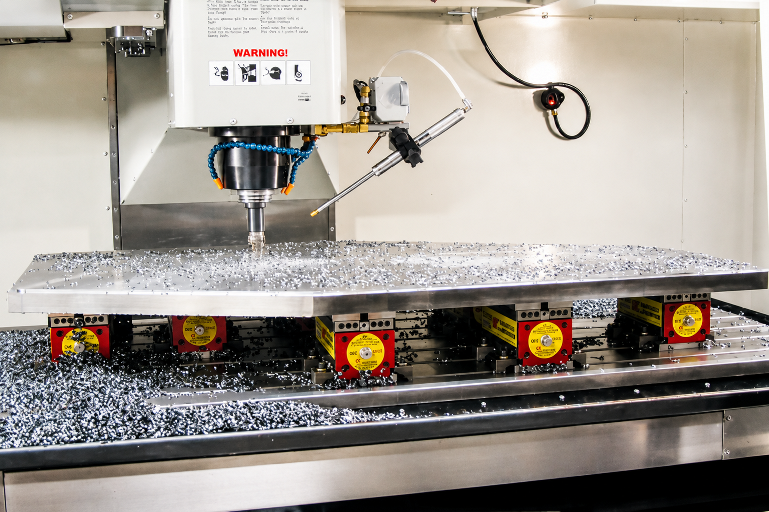
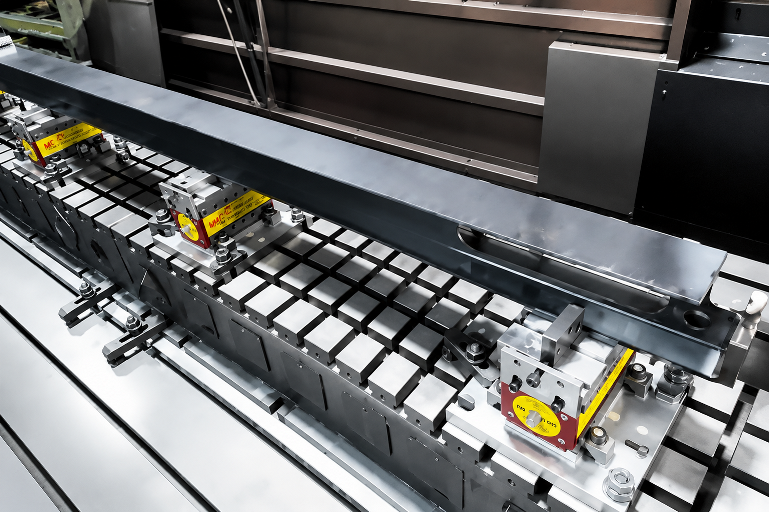
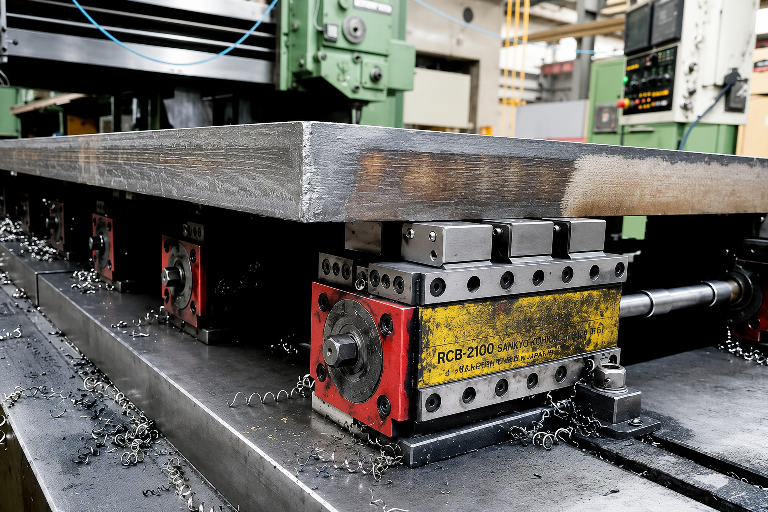
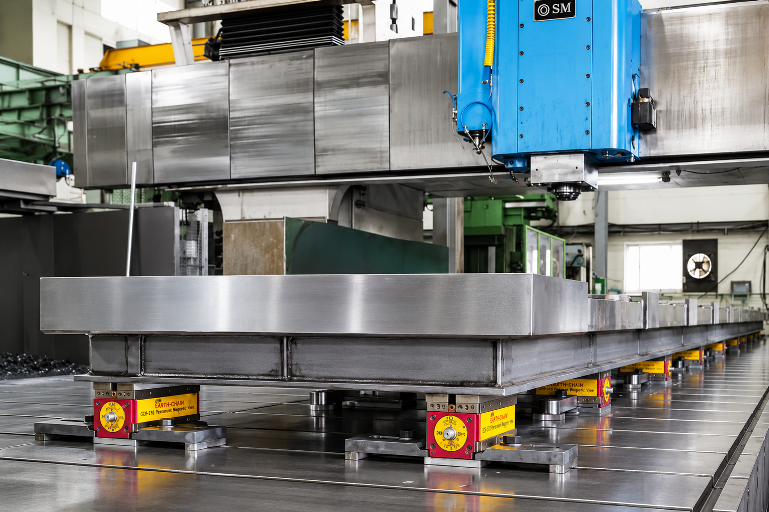
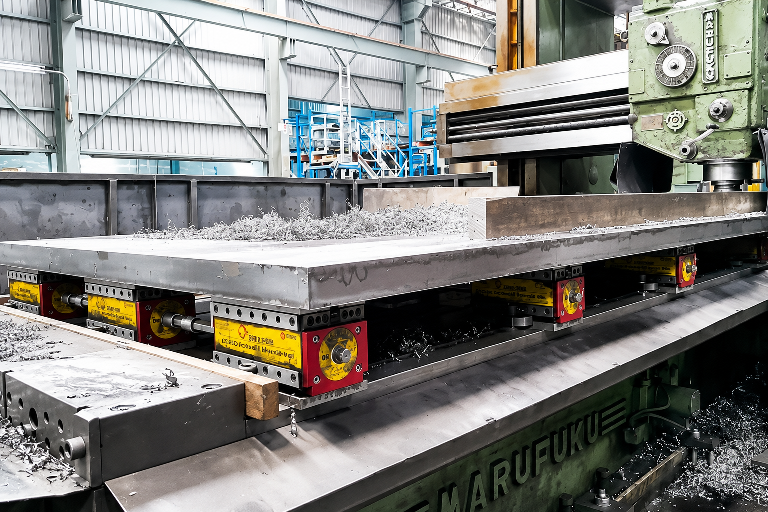
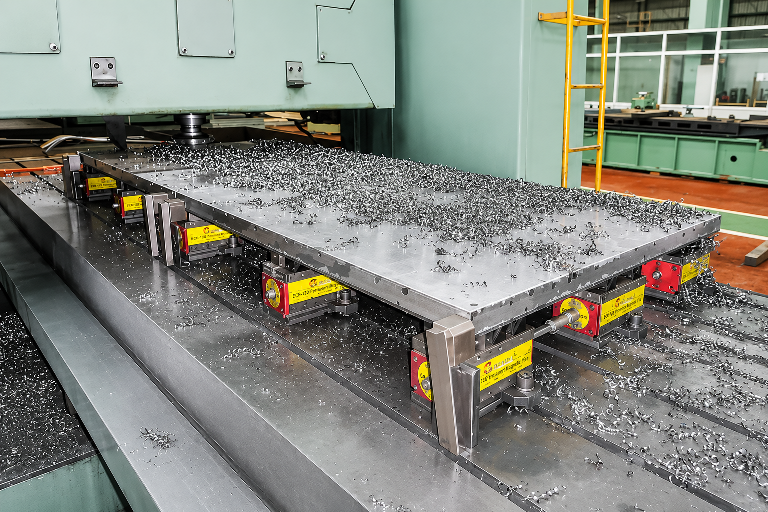
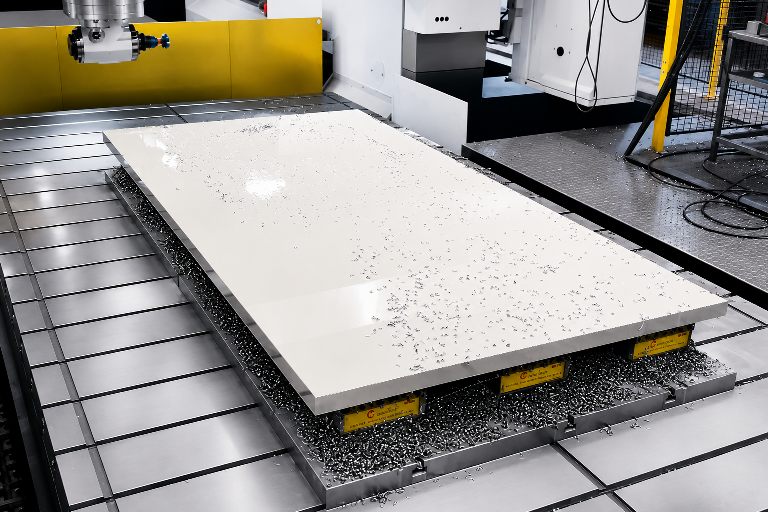
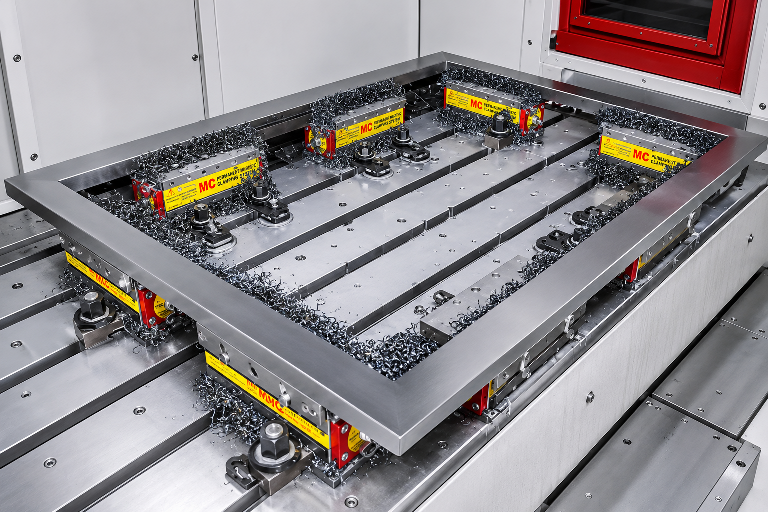
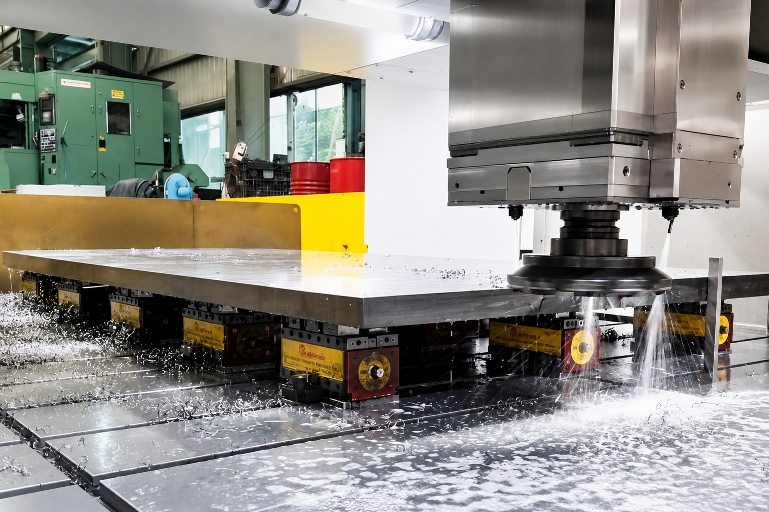
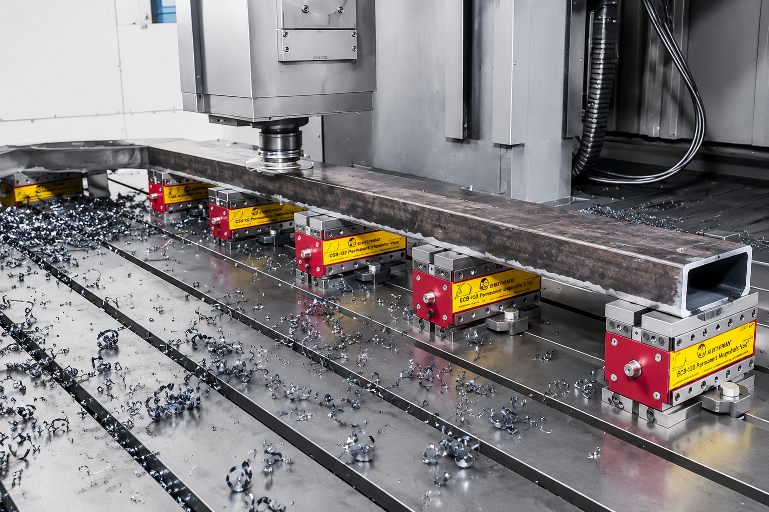
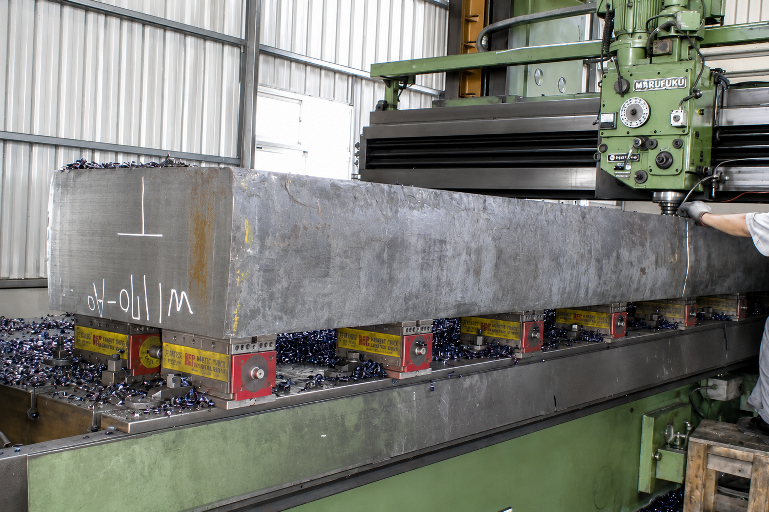
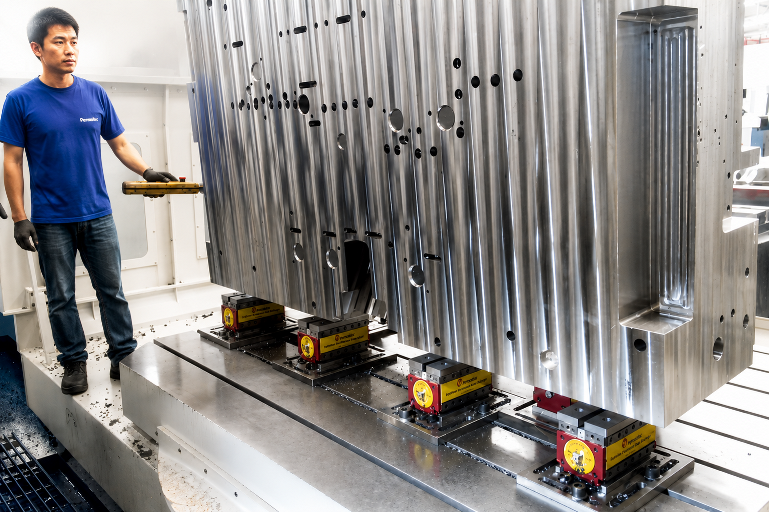
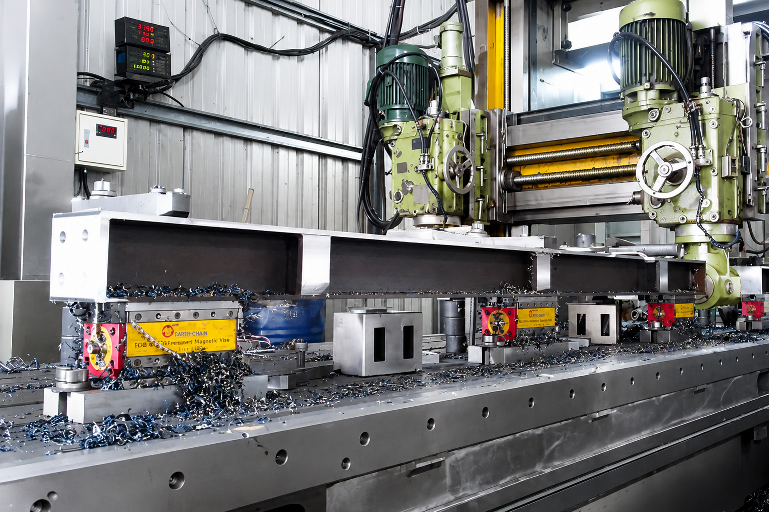
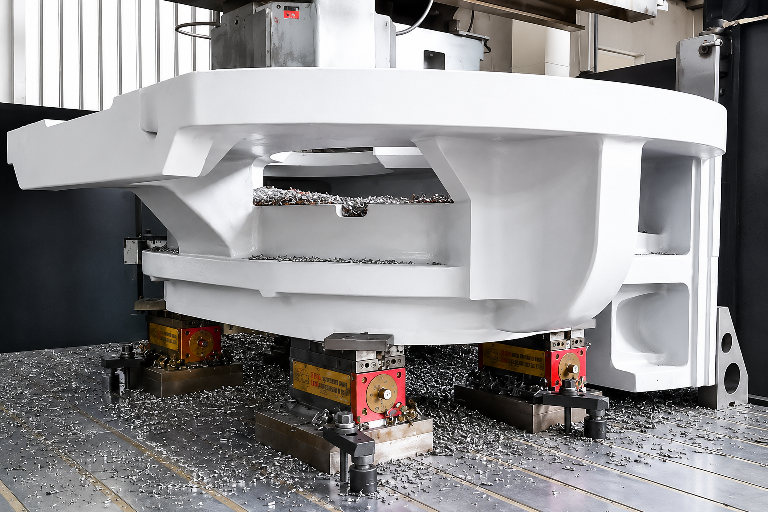
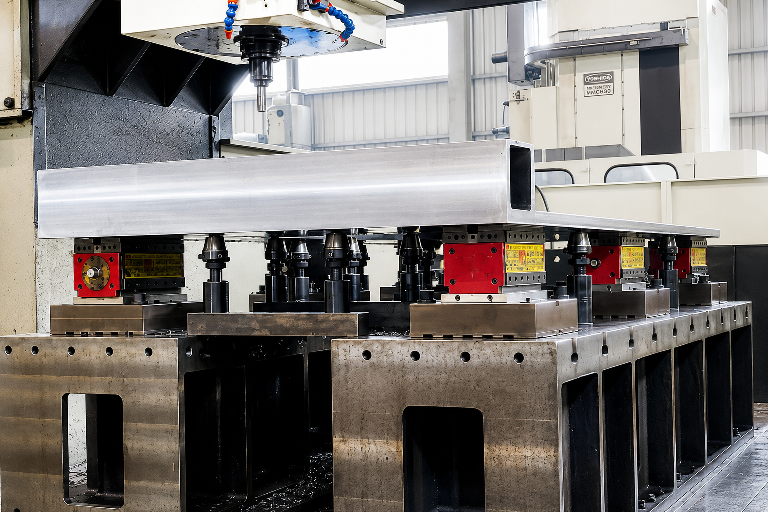
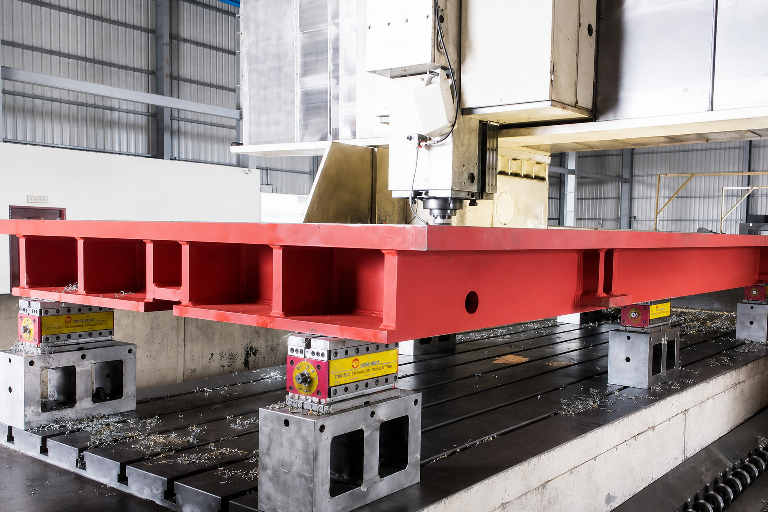
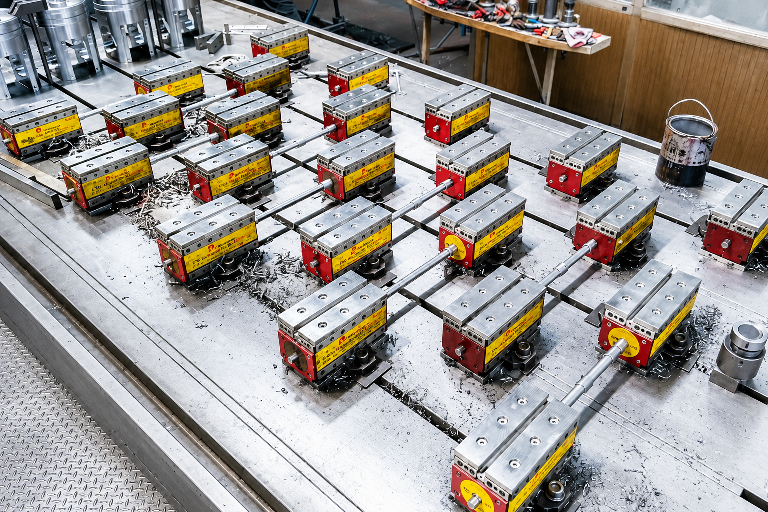
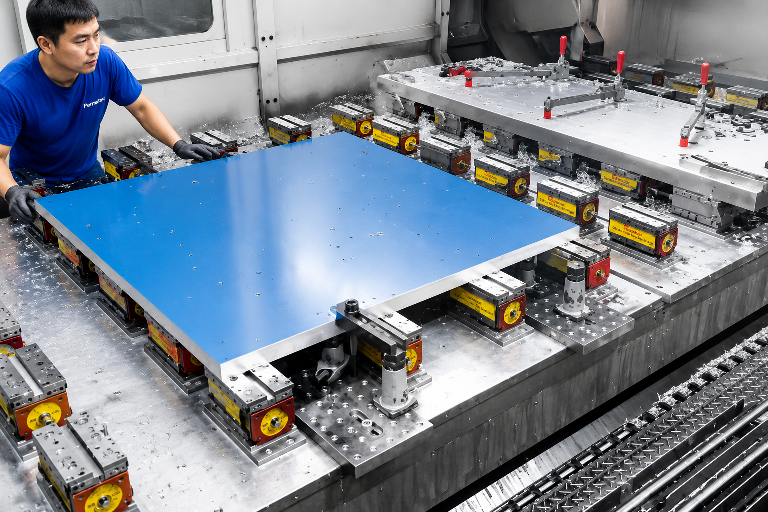
First, one of the most distinctive features of the Magnetic Clamping Block is its ability to freely configure the number, position, and spacing of magnetic modules according to the size of the workpiece. Traditional fixtures are mostly fixed designs that require redesigning or manufacturing dedicated tooling for different workpiece dimensions, which is both time-consuming and costly in terms of inventory and management. In contrast, magnetic clamping modules adopt a unitized design, where each module can be independently arranged and combined. Users can flexibly configure the setup based on the length, width, and weight of the workpiece. For large plates, multiple modules can be arranged in parallel to ensure evenly distributed support; for small components, a simplified configuration can be applied to avoid resource waste. This high level of flexibility and reconfigurability makes the system particularly valuable in high-mix, low-volume production environments or where product changes occur frequently.
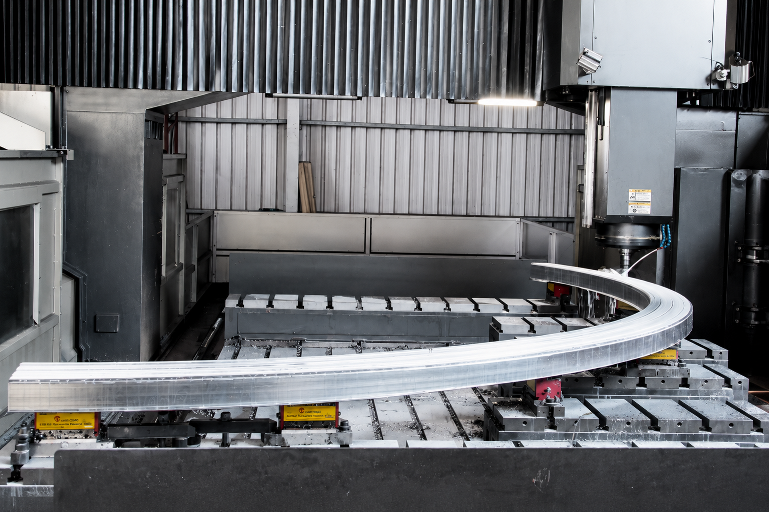
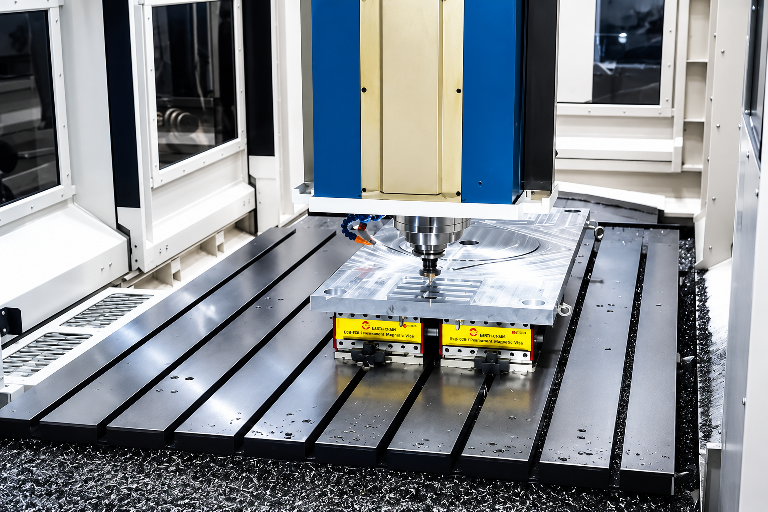
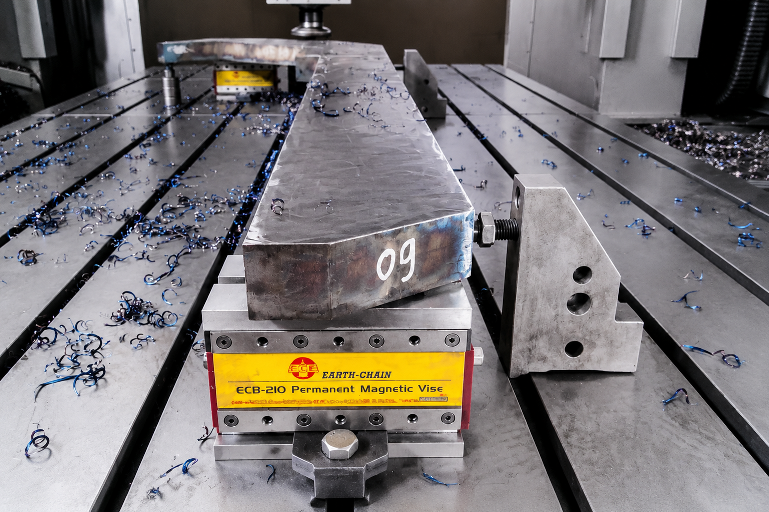
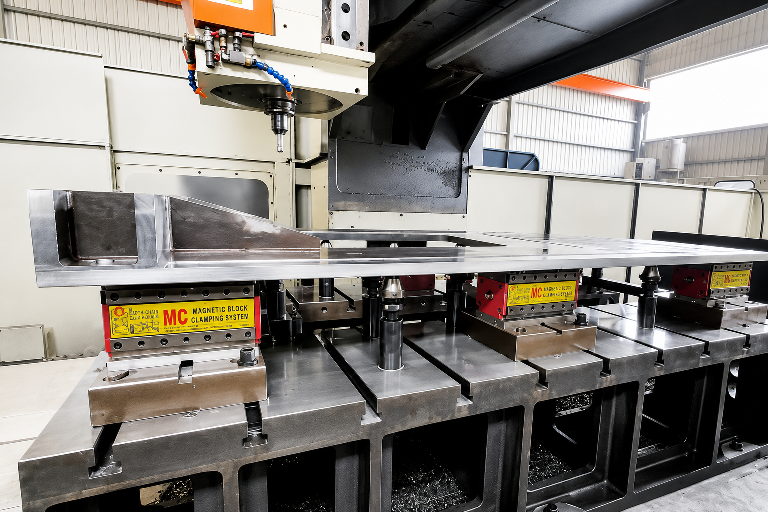
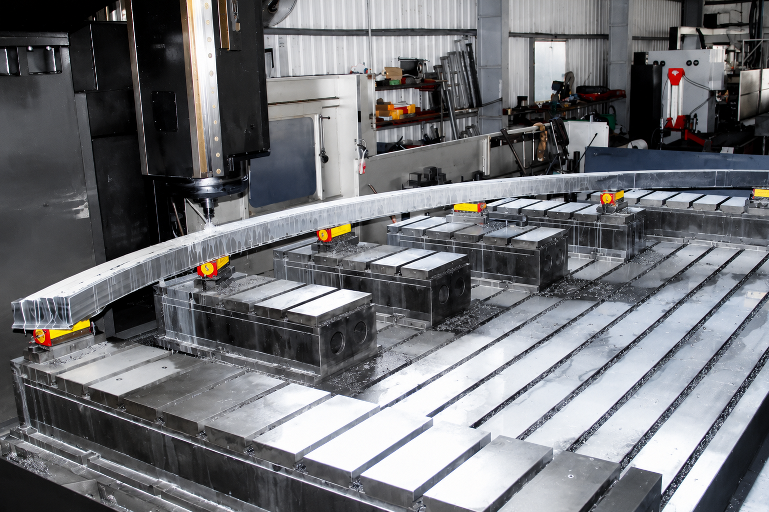
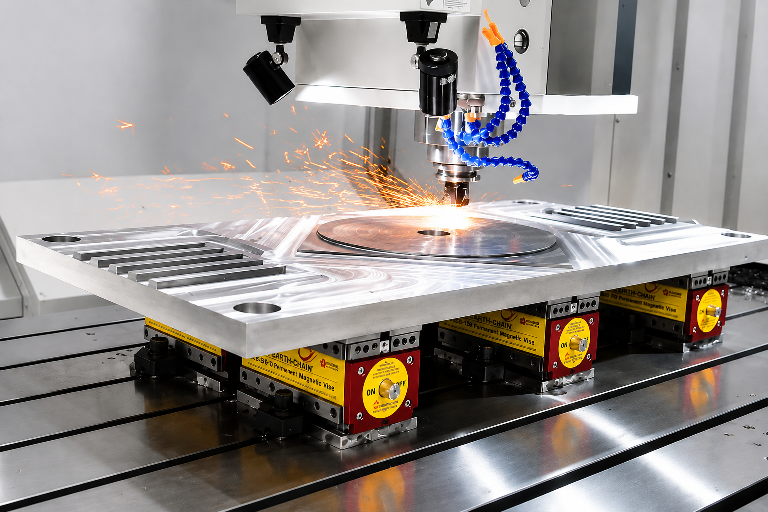
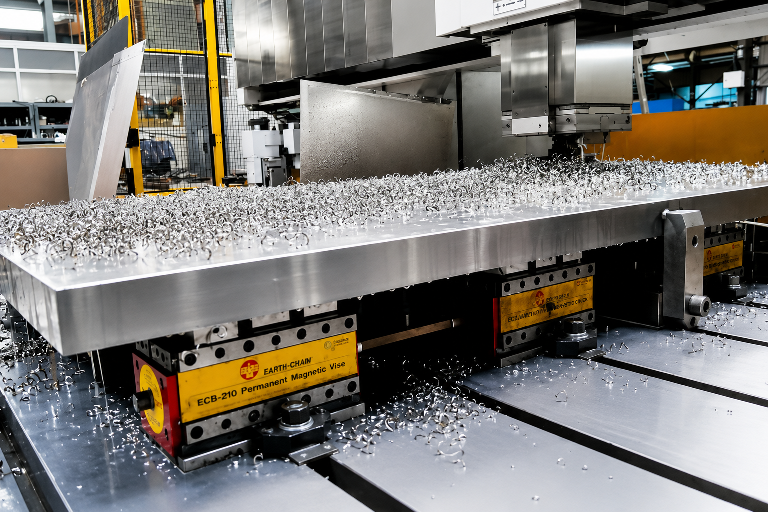
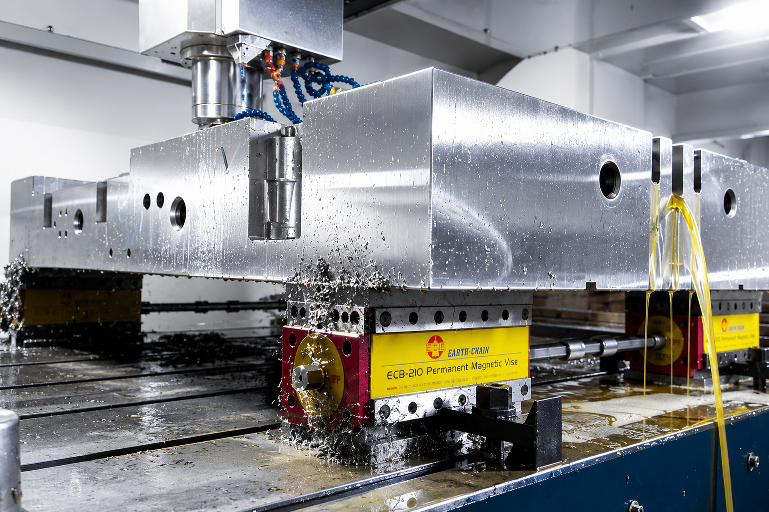
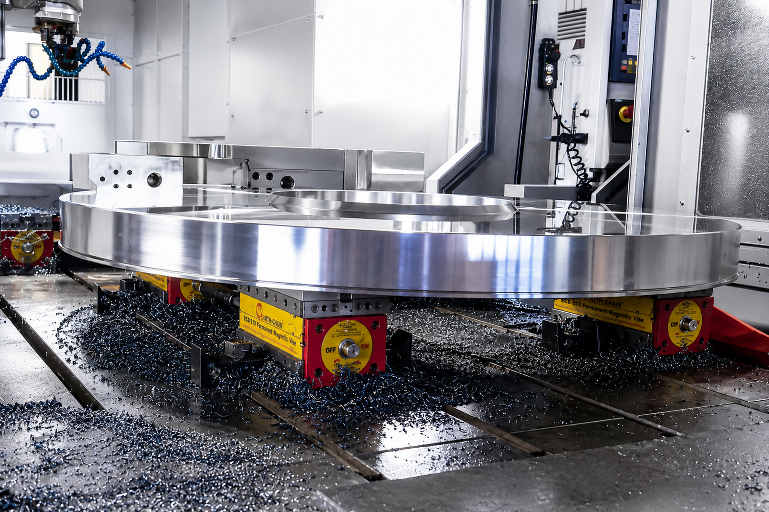
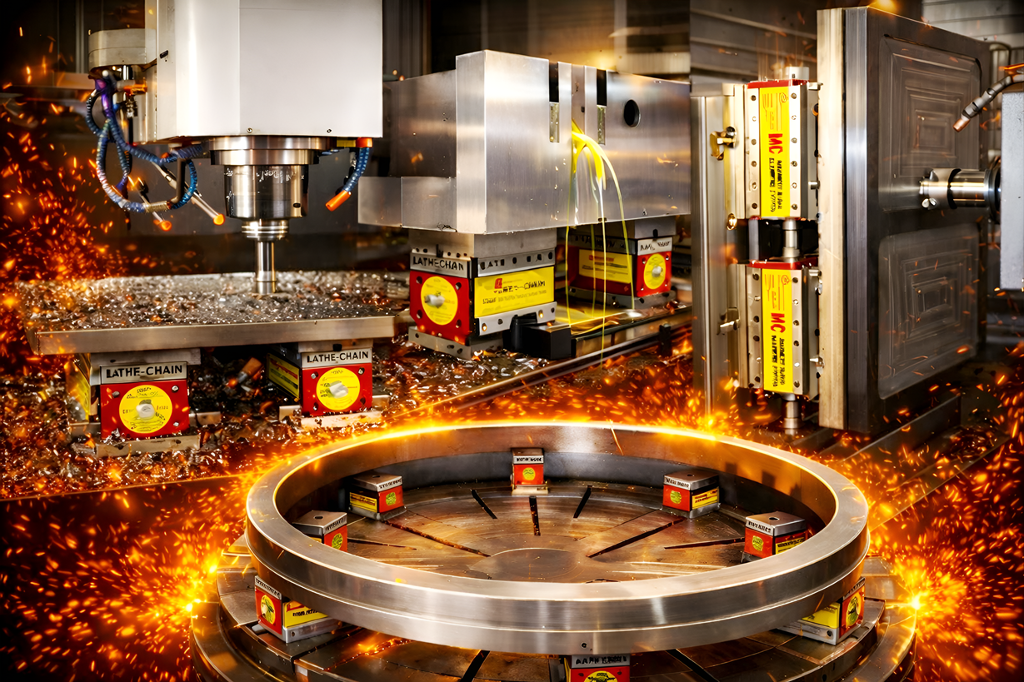
Second, in terms of machining capability, the Magnetic Clamping Block effectively enables five-sided machining. Because magnetic clamping does not require side clamps or mechanical pressing structures, there is no interference around the workpiece, allowing cutting tools to access the top surface and all four sides directly. This open machining environment makes it possible to complete drilling, tapping, and slot milling operations in a single setup. Compared with traditional methods that require flipping the workpiece or changing fixtures multiple times, magnetic clamping significantly reduces the number of repositioning steps, effectively preventing cumulative tolerance errors and ensuring consistency in dimensional and positional accuracy.
From a precision perspective, multiple setups are often a major source of error. Each repositioning may introduce deviations due to reference differences, uneven clamping pressure, or human operational errors, leading to additional corrections or even rework of the final product. The Magnetic Clamping Block provides stable and uniform magnetic attraction, ensuring evenly distributed clamping forces and reducing the risk of localized deformation. By completing multi-surface machining in a single setup, it effectively minimizes error sources, enhancing machining stability and product yield.
In terms of efficiency and cost, its advantages are equally significant. By eliminating complex fixture alignment and adjustment procedures, setup time is greatly reduced, machine idle time is minimized, and equipment utilization is improved. Completing multiple processes in a single setup shortens the overall machining cycle, reduces manual handling, and accelerates production lead times. As workflows become streamlined, rework rates decrease, and machining time is shortened, overall production costs are substantially lowered. This integrated benefit—from process optimization to cost control—enables enterprises to maintain profit margins even under intense price competition and tight delivery schedules.
In summary, the Magnetic Clamping Block is not merely a clamping
device, but a systematic solution for improving manufacturing efficiency and
quality management. Through its freely configurable modular design, five-sided
machining capability, single-setup multi-process completion, and ability to
reduce cumulative tolerance errors, it not only enhances productivity but also
fundamentally optimizes machining processes and cost structures. For companies
pursuing high precision, high flexibility, and high-efficiency production
models, magnetic clamping modules represent a key direction in the advancement
of modern machining technology.