In the fields of high-end manufacturing and precision machining, surface quality often directly determines product performance and service life. Whether in the mold industry, aerospace components, medical devices, or semiconductor equipment parts, the requirements for surface roughness, smoothness, and microstructural integrity are becoming increasingly stringent. Under this trend, magnetic polishing machines, with their unique processing principle and stable performance, are gradually becoming an important choice for precision surface finishing.
1. Technical Principles and Advantages of Magnetic Polishing
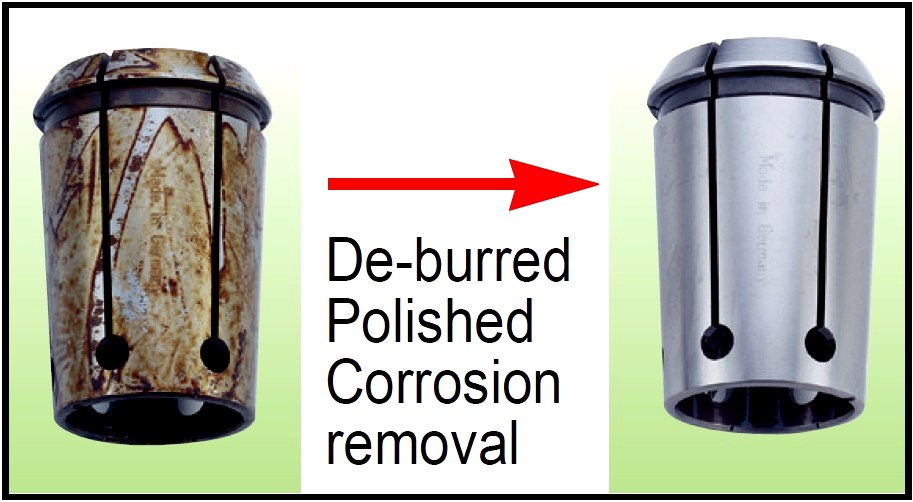
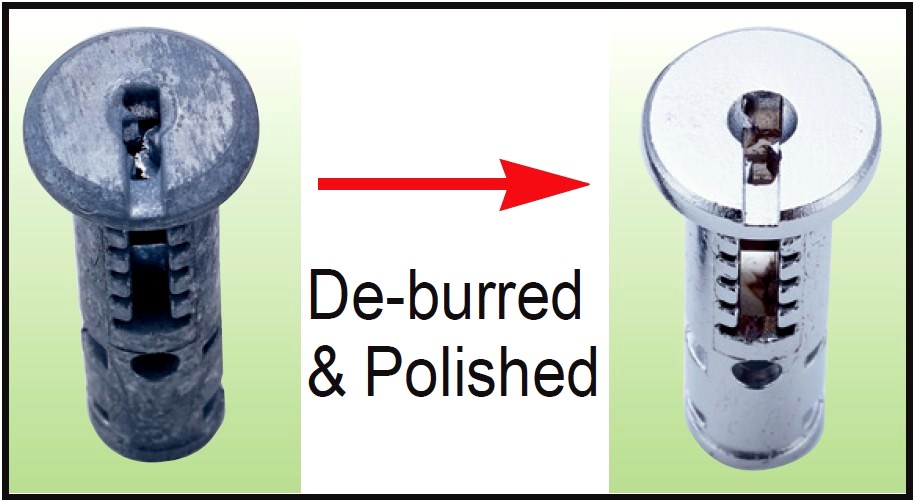
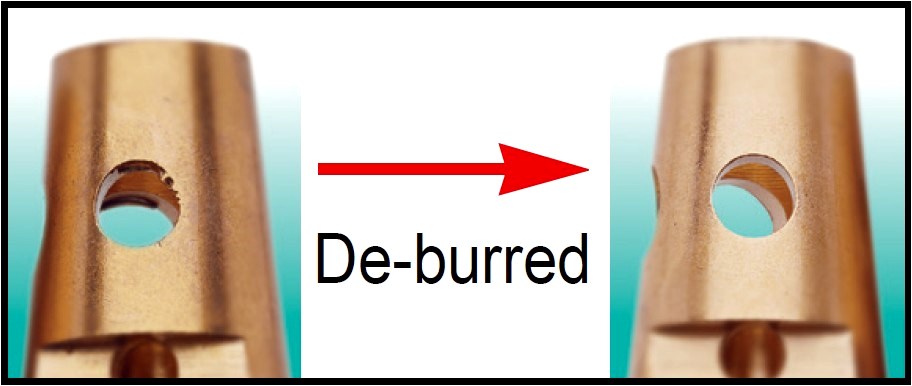
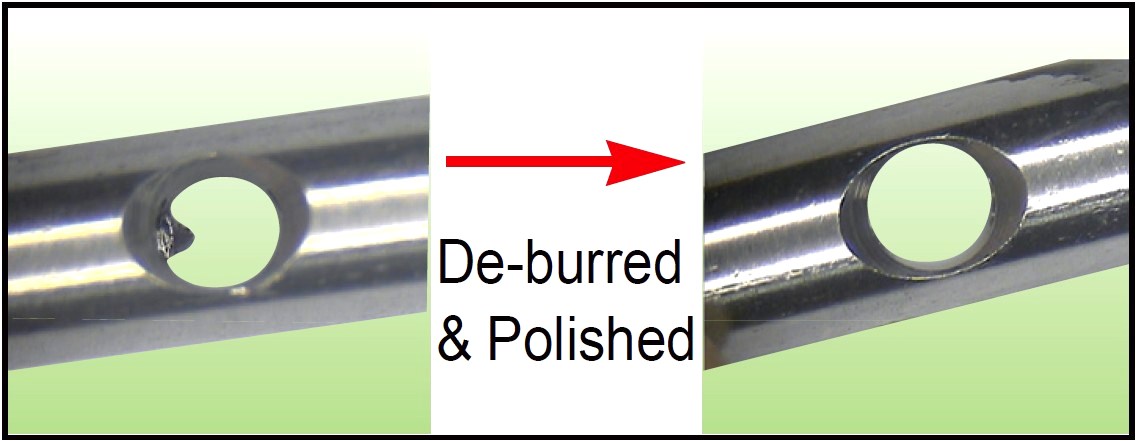
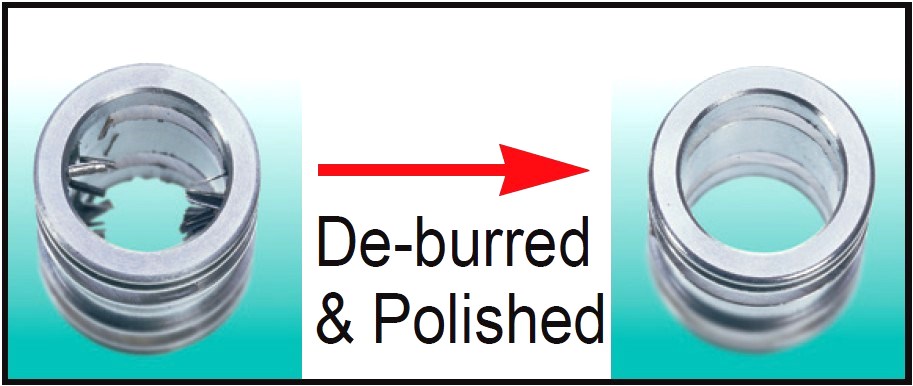
Magnetic polishing technology utilizes a magnetic field to control abrasive-containing magnetic media, forming a flexible brush-like grinding layer on the surface of the workpiece. By adjusting the magnetic field strength and controlling rotational motion, the abrasives perform uniform micro-cutting and polishing on the workpiece surface, achieving deburring, oxide layer removal, enhanced gloss, and reduced surface roughness.
Compared with traditional mechanical polishing or chemical polishing, magnetic polishing is a “flexible machining” method. It does not generate excessive mechanical pressure and is less likely to cause surface scratches or deformation. It is particularly suitable for thin-walled parts, miniature components, and workpieces with complex geometries. Because the magnetic field can be precisely controlled, polishing pressure remains stable and consistent, effectively eliminating unevenness caused by manual polishing.
2. Enhancing Surface Quality and Dimensional Stability
Precision machining emphasizes not only dimensional accuracy but also surface integrity. Magnetic polishing effectively reduces surface roughness while removing micro burrs and machining marks, thereby improving wear resistance and corrosion resistance.
In aerospace and medical applications, microcracks on the surface can become stress concentration points, leading to material fatigue failure. The uniform micro-cutting mechanism of magnetic polishing helps eliminate residual stress and microcracks left from machining, enhancing component lifespan and reliability. Furthermore, the low temperature rise during processing prevents thermal deformation or metallurgical changes, which is especially important for high-hardness materials such as stainless steel, tungsten carbide, and specialty alloys.
3. Adaptability to Complex and Micro Structures
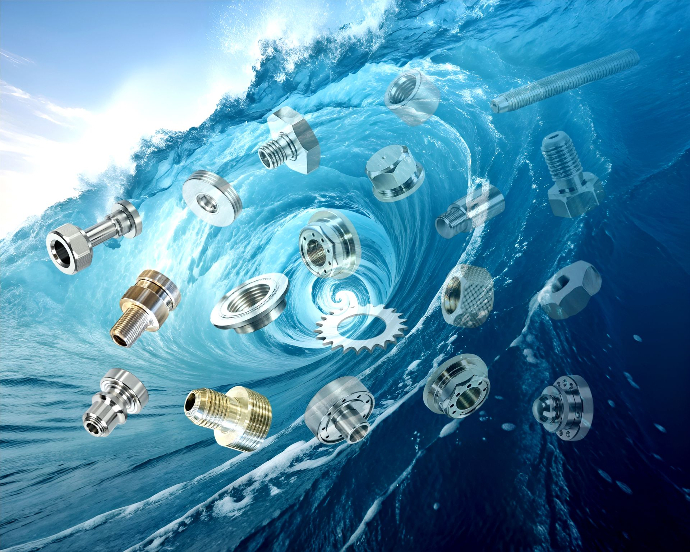
Traditional polishing tools often struggle to reach narrow holes or complex curved surfaces. In contrast, magnetic polishing uses magnetic field guidance to direct abrasives into fine holes, internal grooves, and recessed areas, enabling simultaneous internal and external polishing. This provides significant advantages for small CNC-machined parts, springs, gears, medical implants, and electronic component housings.
With the growing trend toward miniaturization and high-precision products, parts are becoming smaller and more structurally complex. Magnetic polishing machines offer highly flexible processing capabilities, reducing manual intervention and minimizing the risk of part rejection.
4. Improving Efficiency and Reducing Costs
Magnetic polishing can typically process multiple parts simultaneously, making it suitable for small- to medium-batch production. Processing times are relatively short, and operational procedures are simple, effectively shortening production cycles. Since abrasive media can be reused, consumable costs are also relatively low.
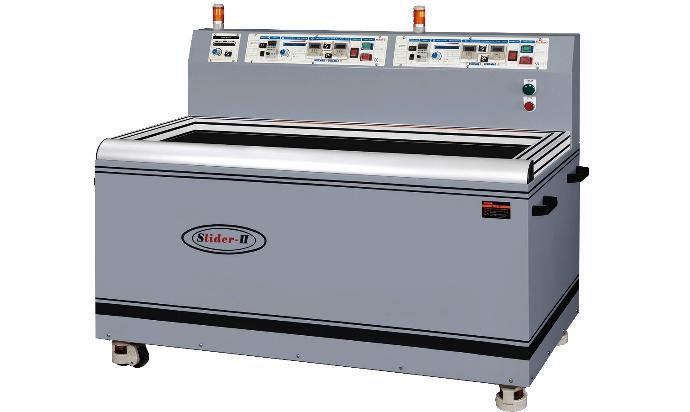
In addition, magnetic polishing equipment features a high degree of automation. Once processing parameters are set, the system operates stably with minimal supervision, reducing dependence on skilled technicians. In the long term, this not only increases production efficiency but also lowers labor costs and reduces quality fluctuations.
5. Environmental and Safety Advantages
Compared with chemical polishing, magnetic polishing does not require large quantities of strong acids or alkalis, making it more environmentally friendly and reducing waste treatment costs. The process generates less dust and noise, improving workplace safety conditions. For companies committed to ESG goals and sustainable manufacturing practices, it represents a forward-looking and responsible choice.
Conclusion
Overall, magnetic polishing machines offer significant
advantages in the field of precision surface finishing: stable processing
quality, excellent surface results, adaptability to complex geometries, high
efficiency, and environmental friendliness. As high-end manufacturing continues
to demand superior surface quality and micro-level precision, magnetic
polishing machines are no longer merely auxiliary equipment but have become a
key technology for enhancing product competitiveness and reliability. For
manufacturers pursuing high precision, high consistency, and high added value,
investing in magnetic polishing technology for precision surface treatment is
undoubtedly a strategic decision with long-term benefits.