The Future of Manufacturing Starts with Smarter Workholding
Manufacturing is entering a new era. As Industry 4.0, Smart Manufacturing, and digital transformation continue to reshape production worldwide, manufacturers are no longer competing solely on machine specifications or cutting speeds. Instead, competitive advantage increasingly depends on overall production efficiency, equipment utilization, automation capability, production flexibility, and sustainability.Today's manufacturers face unprecedented challenges. High-mix, low-volume production has become the new normal. Skilled labor shortages continue to grow, energy prices remain volatile, and customers expect shorter lead times while demanding higher product quality than ever before. These pressures have accelerated investment in Industrial Automation Solutions designed to improve productivity without sacrificing precision.Among the many technologies driving this transformation, workholding has become one of the most overlooked—but most influential—factors in manufacturing performance.While CNC machines continue to become faster and more intelligent, traditional mechanical fixtures often remain the bottleneck of the entire machining process. Every unnecessary setup, every manual adjustment, and every minute of downtime directly impacts Overall Equipment Effectiveness (OEE).This is why more manufacturers are replacing conventional mechanical fixtures with Magnetic Clamping technology powered by an Electro-Permanent Magnetic Chuck. Rather than simply securing a workpiece, magnetic workholding has evolved into a strategic component of modern Industrial Automation Solutions, enabling higher productivity, greater machining accuracy, improved safety, and seamless automation integration.
Why Workholding Has Become a Critical Competitive Advantage
For decades, workholding was viewed as little more than an accessory for machine tools. Its primary function was simply to secure a workpiece during machining.
Today, however, manufacturing priorities have changed.
Manufacturers now measure success through key performance indicators such as:
• Overall Equipment Effectiveness (OEE)
• Machine utilization
• Cycle time
• Changeover time
• First-pass yield
• Energy efficiency
• Automation compatibility
Each of these metrics is directly influenced by the effectiveness of the workholding system.
A high-performance CNC machining center cannot reach its full potential if operators spend excessive time setting up fixtures, repositioning workpieces, or correcting machining inaccuracies caused by unstable clamping. In modern production environments, every minute that a spindle is not cutting represents lost revenue. Consequently, manufacturers are no longer evaluating workholding solely by clamping force. Instead, they seek Workholding Solutions that improve the entire manufacturing process—from setup to final inspection. This shift explains why magnetic workholding has become an increasingly important technology across aerospace, automotive, mold & die, energy, precision engineering, and heavy equipment manufacturing.
The Limitations of Traditional Mechanical Fixtures
Conventional vises, hydraulic fixtures, and mechanical clamps have served manufacturing well for decades. However, they were designed for production environments that are fundamentally different from today's highly automated factories.
Traditional fixtures typically require operators to:
• Manually tighten clamps
• Adjust locating positions
• Verify alignment
• Check clamping force
• Reposition workpieces multiple times
Although each task may take only a few minutes, the cumulative impact across hundreds of setups can dramatically reduce machine utilization. The challenges become even greater in high-mix production where different components require frequent fixture changes. Common limitations include:
Long Changeover Time
Every new workpiece often requires fixture adjustment and manual positioning, creating non-productive machine downtime.
Limited Machining Accessibility
Mechanical clamps occupy valuable machining space and frequently obstruct cutting tools.
As a result, operators must remove and reposition workpieces multiple times before all surfaces can be machined.
Uneven Clamping Force
Mechanical fixtures apply localized pressure.
Thin workpieces, large plates, or precision components may deform slightly during clamping, resulting in dimensional inaccuracies or poor surface finishes.
Difficult Automation
Manual tightening makes complete automation difficult.
Even sophisticated robotic systems cannot achieve fully autonomous production if operators must intervene during every setup. As manufacturers continue investing in automation, these limitations have become increasingly significant.
How Electro-Permanent Magnetic Chuck Technology Changes CNC Machining
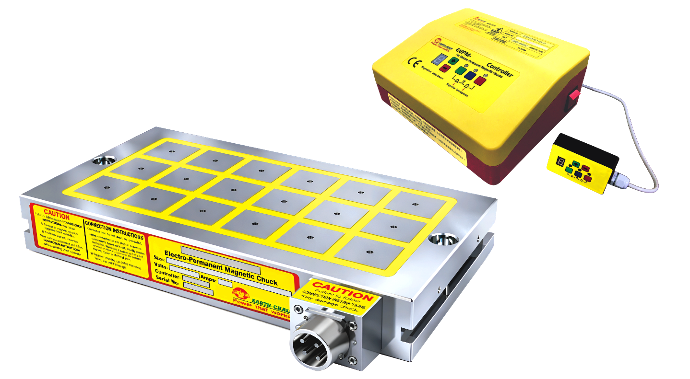
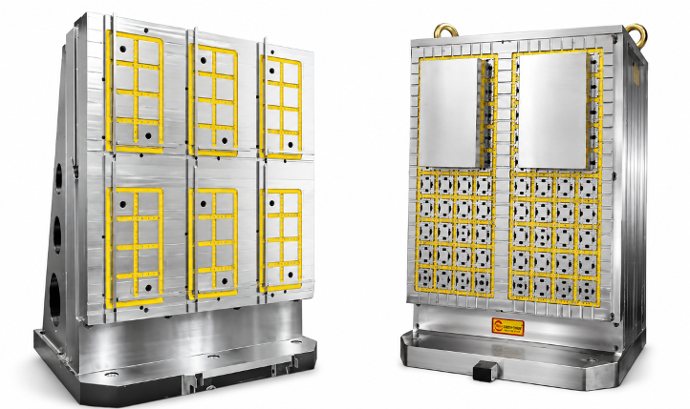
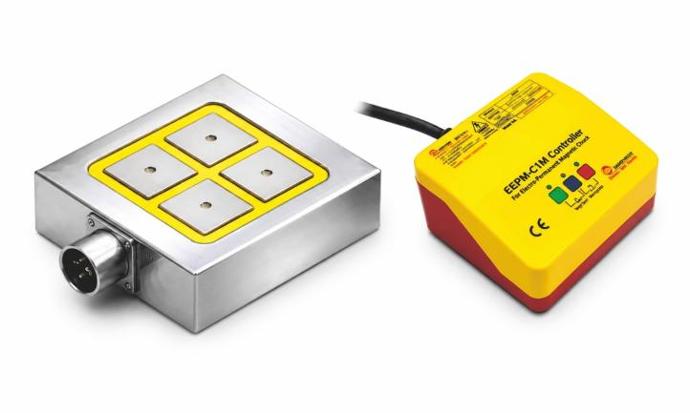
Unlike conventional fixtures, an Electro-Permanent Magnetic Chuck operates using permanent magnetic energy. Electrical power is required only during magnetization and demagnetization. Once the magnetic field is established, the chuck securely holds the workpiece without continuous power consumption. This unique operating principle delivers several major advantages. First, setup becomes dramatically faster. Instead of manually tightening multiple clamps or adjusting hydraulic fixtures, operators—or robots—can secure a workpiece within only a few seconds. For manufacturers performing dozens or even hundreds of setups each day, these small time savings quickly accumulate into significant productivity improvements. Second, the workpiece is held uniformly across its entire contact surface. Rather than applying concentrated pressure at only a few clamping points, Magnetic Clamping distributes holding force evenly over the entire bottom surface.
The result is:
• Reduced vibration
• Improved dimensional accuracy
• Better surface finish
• Lower tool wear
• Greater machining stability
These benefits are particularly valuable for thin plates, large workpieces, molds, dies, and high-precision components where deformation must be minimized.
Five-Sided Machining with Greater Flexibility
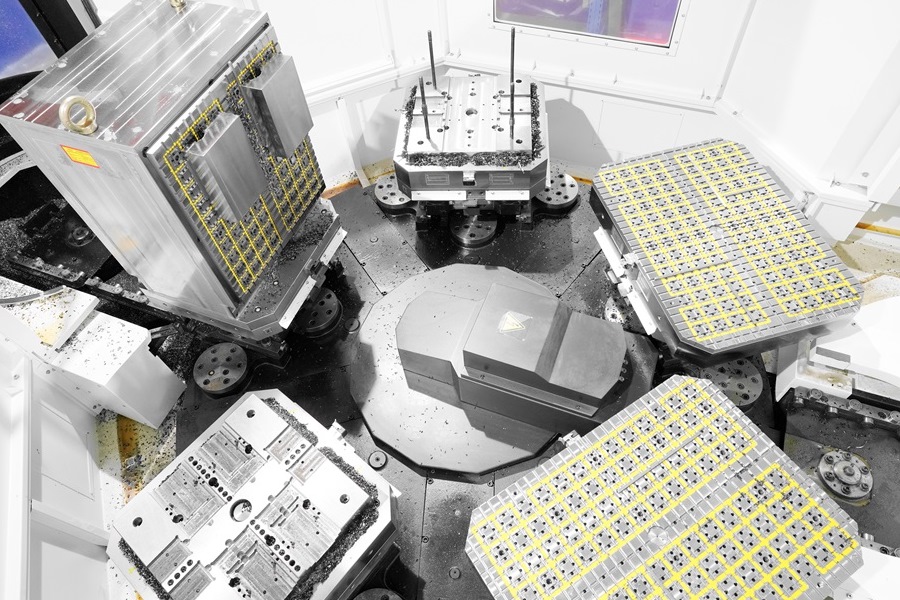
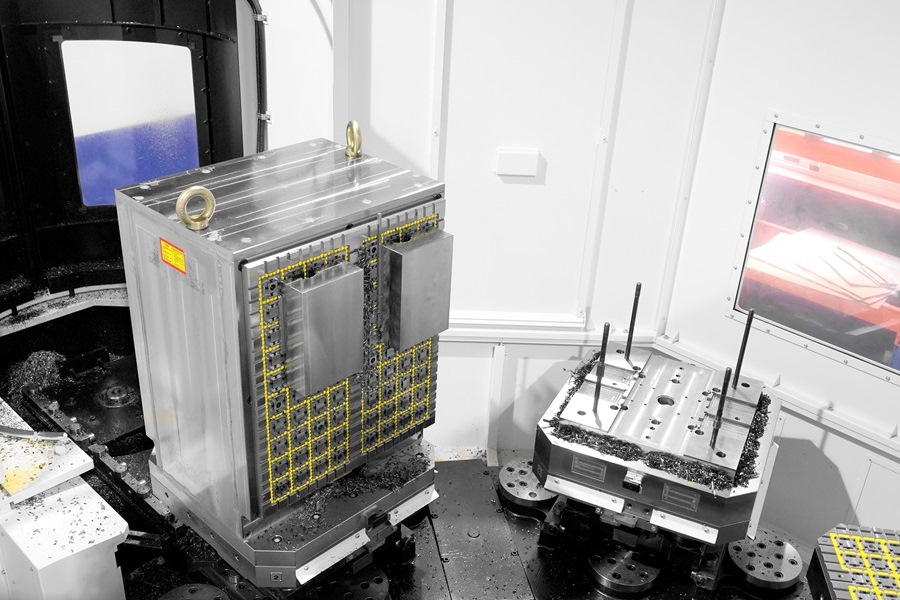
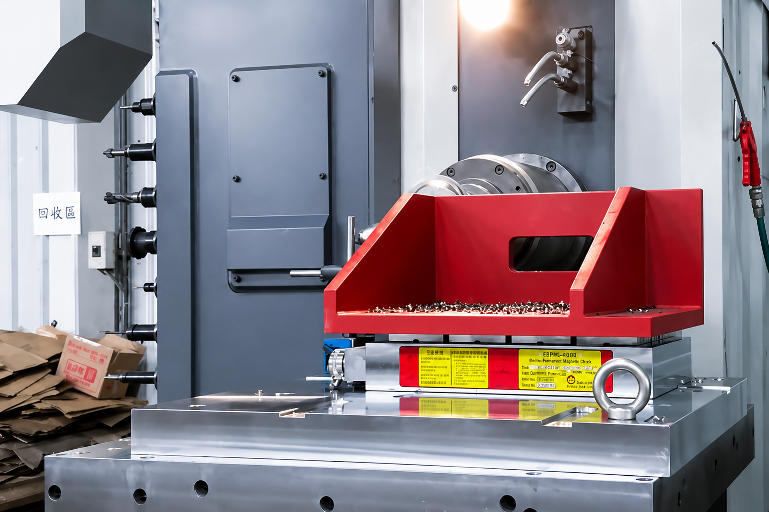
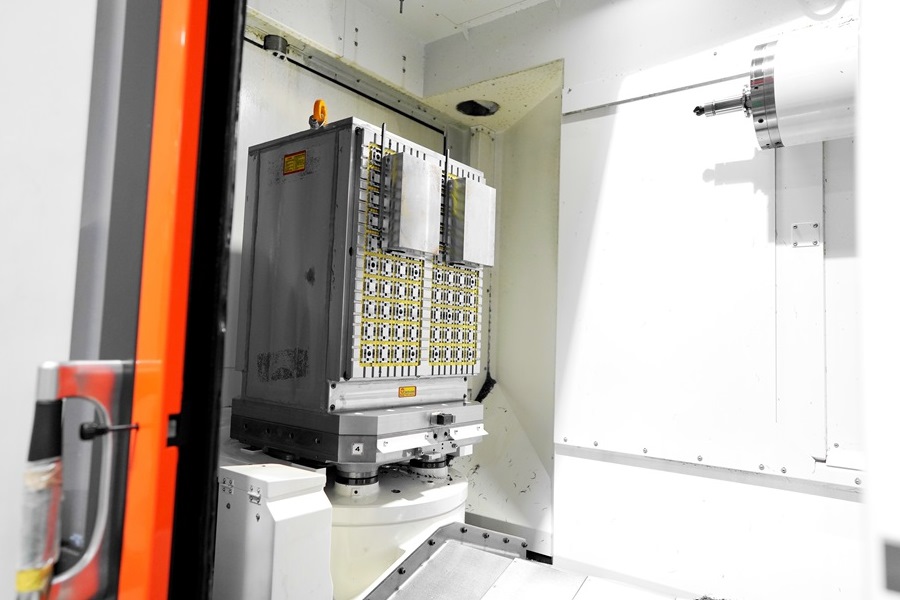
One of the greatest advantages of magnetic workholding is the freedom it provides during machining. Traditional fixtures physically block tool access. Every clamp occupies machining space. Every vise limits cutter movement. Every repositioning introduces additional setup time and potential positioning errors. An Electro-Permanent Magnetic Chuck eliminates most of these limitations. Because the workpiece is held securely from its bottom surface, cutting tools gain access to nearly every exposed side of the component. Manufacturers can often complete five-sided machining in a single setup.
This significantly reduces:
• Setup time
• Multiple repositioning operations
• Operator intervention
• Cumulative positioning errors
• Overall production cycle time
For complex components requiring multiple machining operations, reducing the number of setups directly improves both productivity and quality consistency. Furthermore, fewer setups also reduce the possibility of human error, creating a more repeatable manufacturing process.
Seamless Automation Integration for Modern Manufacturing
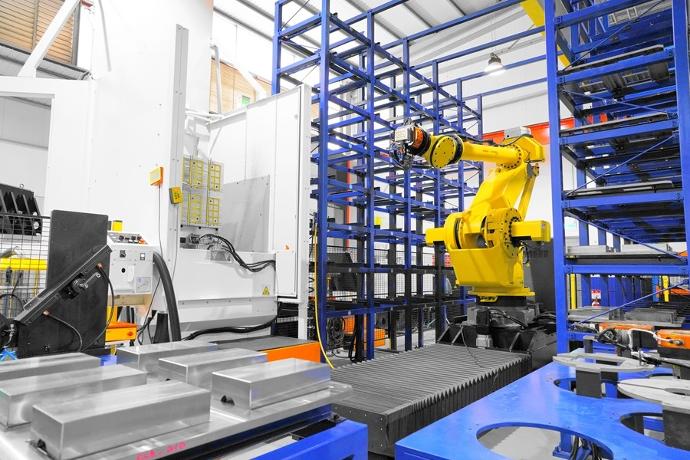
As manufacturers continue investing in factory automation, the workholding system must evolve from a standalone mechanical device into an intelligent component of the entire production ecosystem.
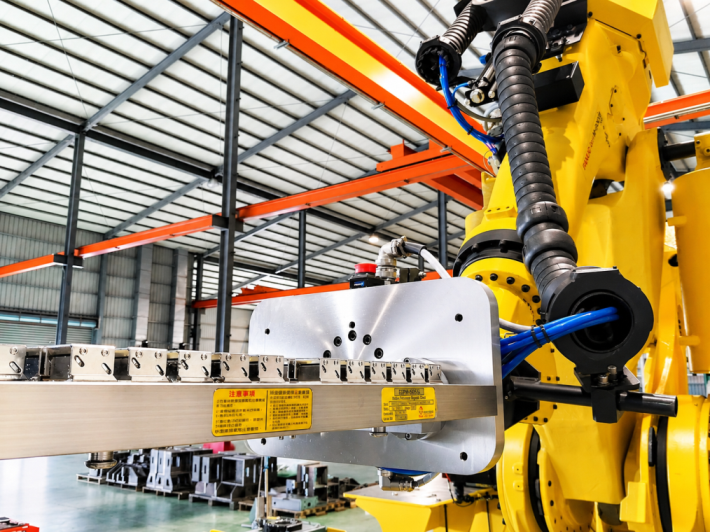
Modern Industrial Automation Solutions rely on the synchronization of CNC machine tools, industrial robots, automated pallet systems, conveyors, vision inspection, MES, ERP, and production scheduling software. If any element still depends on manual intervention, the efficiency of the entire automation system is compromised.
This is where the Electro-Permanent Magnetic Chuck offers a significant competitive advantage.
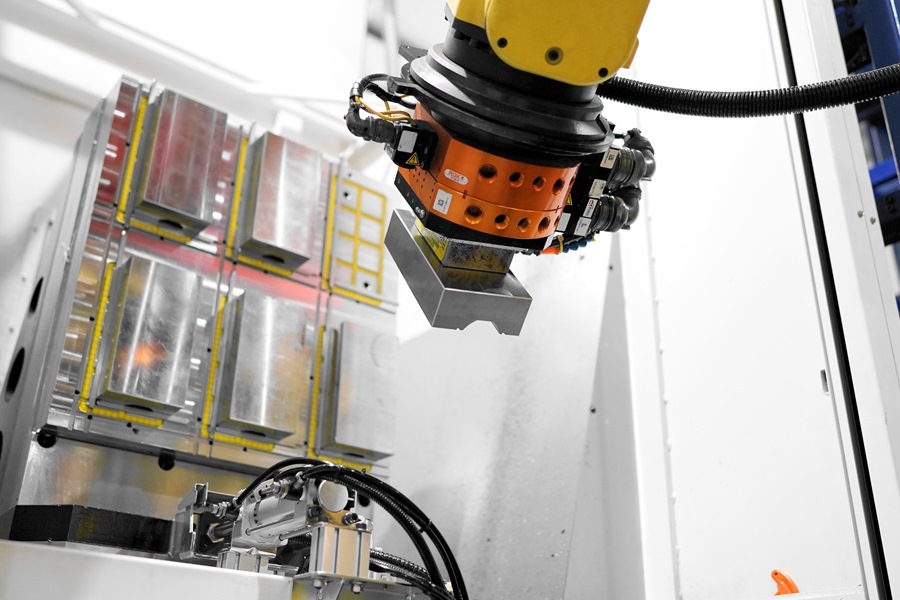
Unlike conventional mechanical fixtures that require operators to tighten clamps or adjust vises manually, magnetic workholding can be fully controlled through digital signals. Magnetization and demagnetization are completed within seconds and can be triggered automatically through:
• PLC control systems
• CNC controllers
• M-Code commands
• Industrial Ethernet communication
• Robot controllers
• Automated pallet systems
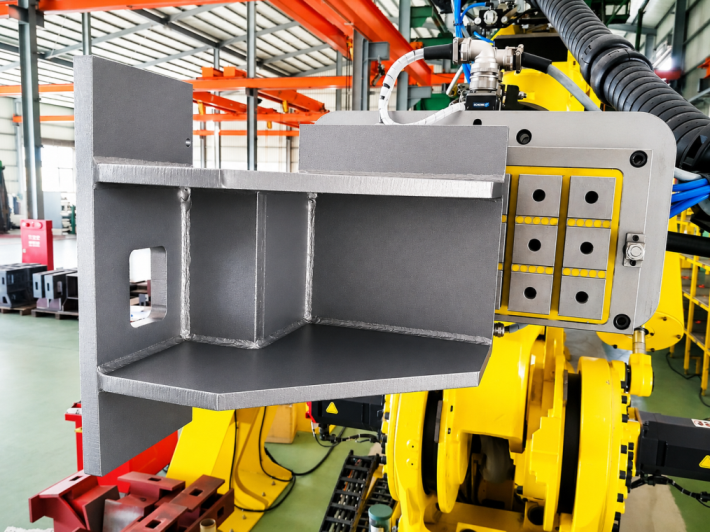
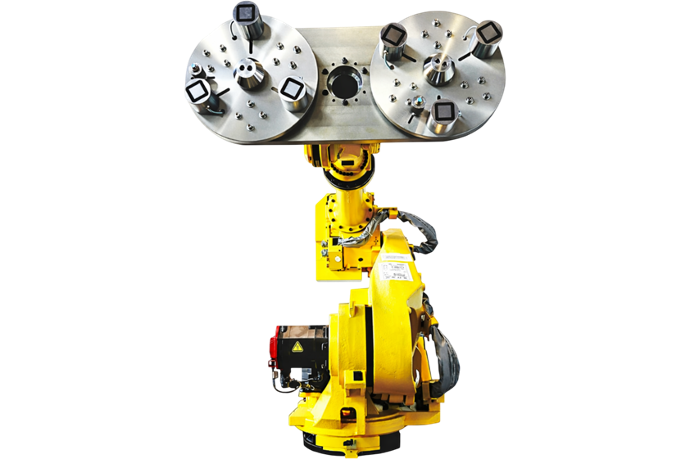
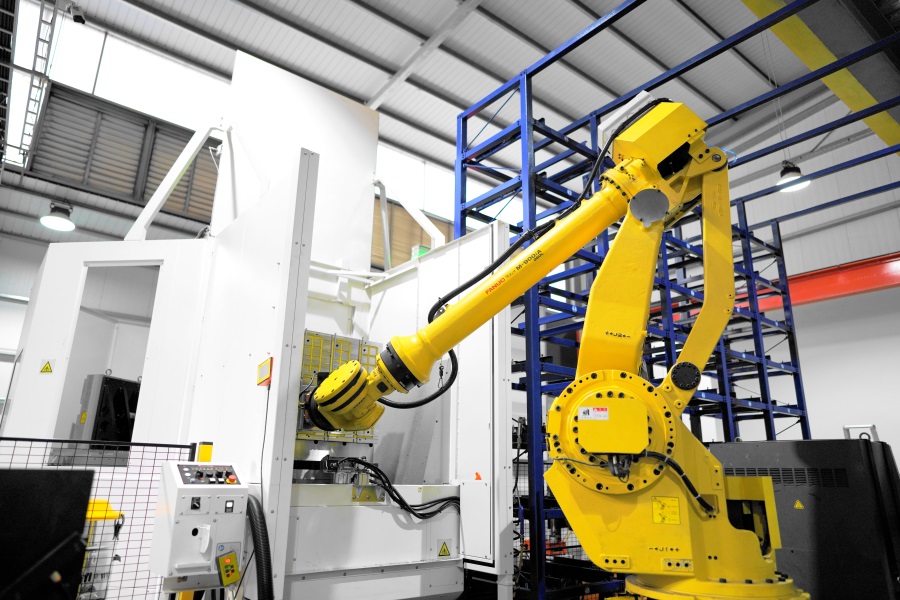
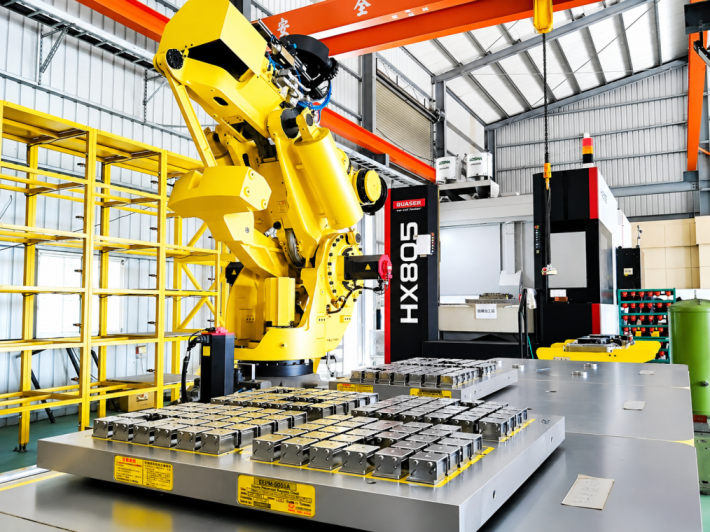
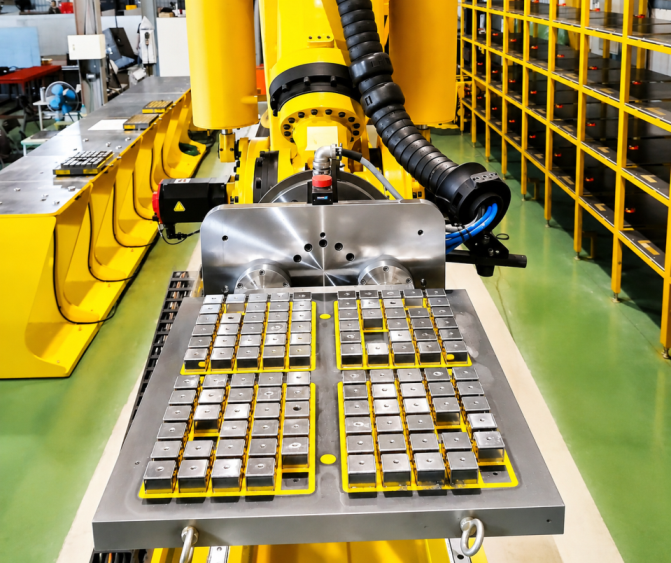
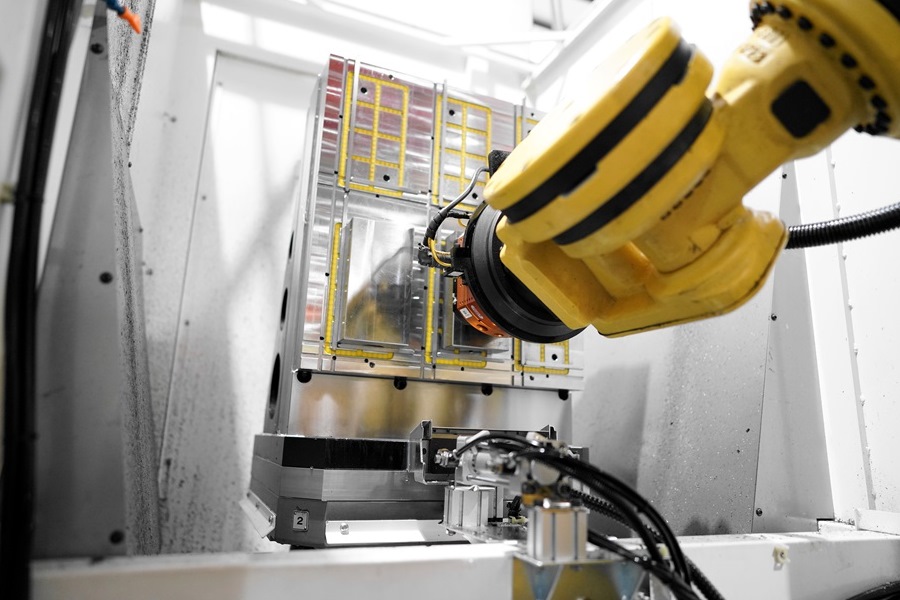
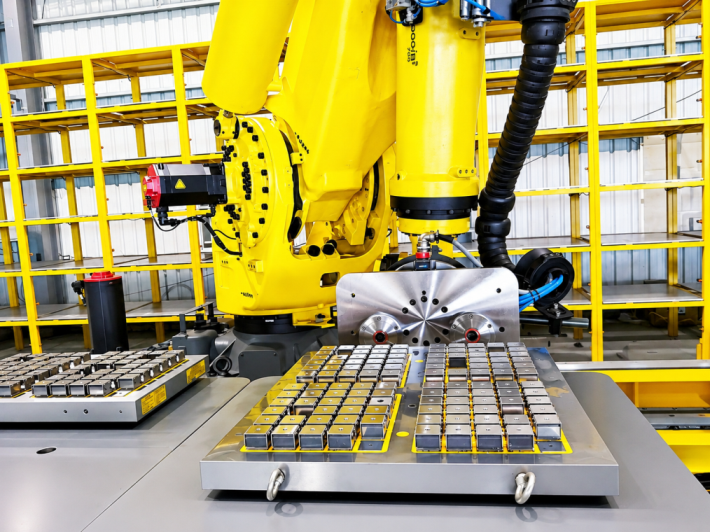
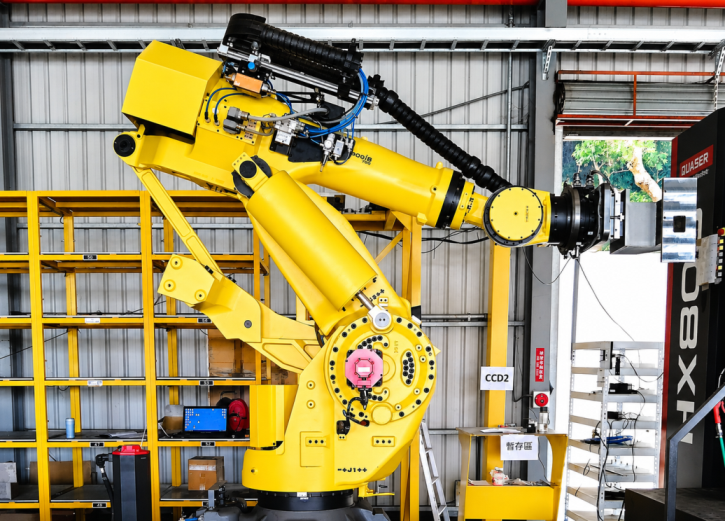
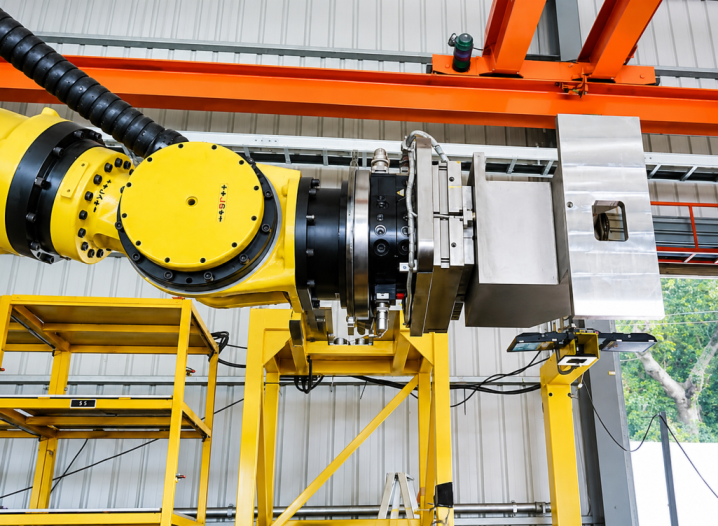
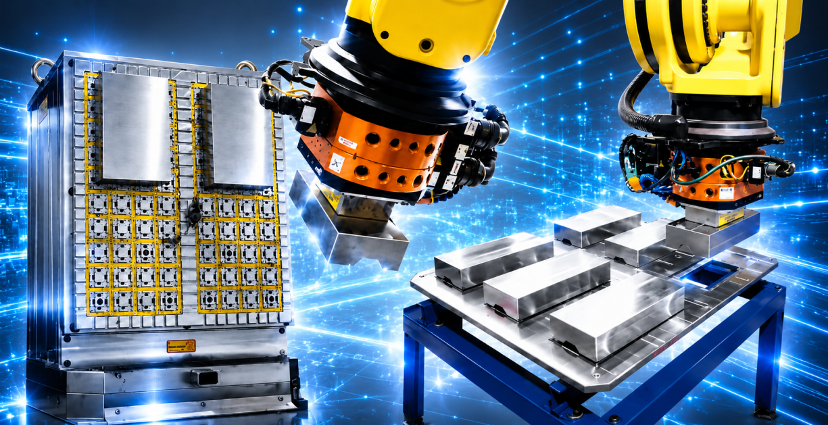
The result is a completely automated workholding process with minimal operator involvement. Instead of waiting for an operator to secure the next workpiece, the machine automatically receives a new component from a robot, activates magnetic clamping, verifies clamping status, and immediately begins machining. This level of Automation Integration significantly reduces idle machine time while increasing production consistency.
Supporting Lights-Out Manufacturing
One of the primary goals of Industry 4.0 is enabling factories to operate with little or no human intervention. Lights-Out Manufacturing has become increasingly common in industries requiring long machining cycles, high production volumes, or 24-hour operations. However, unmanned production introduces new challenges. Every component of the manufacturing system must operate safely and reliably—even when no operators are present. Workholding becomes especially critical.
Traditional electromagnetic chucks require continuous electrical power to maintain magnetic force. If electrical power is interrupted unexpectedly, the workpiece may lose its holding force, potentially damaging expensive machinery, cutting tools, or finished components. An Electro-Permanent Magnetic Chuck eliminates this concern. Because magnetic energy is stored inside permanent magnets, electrical power is required only during magnetization and demagnetization.
After magnetization:
• Workpieces remain securely clamped.
• No continuous electrical power is required.
• Unexpected power failures do not release the workpiece.
• Machining safety is maintained throughout the operation.
This fail-safe characteristic makes magnetic workholding particularly suitable for:
• Automated machining cells
• Overnight machining
• Unmanned production
• Flexible Manufacturing Systems (FMS)
• High-value aerospace components
• Heavy-duty machining
For manufacturers implementing Lights-Out Manufacturing, workholding reliability becomes just as important as machine performance.
Higher Manufacturing Efficiency Through Faster Changeovers
Manufacturing productivity is influenced by far more than cutting speed. In many machining operations, non-cutting activities consume a surprisingly large percentage of total production time.
These activities include:
• Fixture setup
• Workpiece positioning
• Alignment
• Clamping
• Verification
• Workpiece unloading
Although these tasks do not remove material, they directly affect overall production capacity. Reducing setup time is therefore one of the fastest ways to improve Manufacturing Efficiency. Magnetic workholding significantly shortens every workpiece changeover. Instead of adjusting multiple clamps, operators simply position the workpiece and activate the magnetic chuck. For automated production, the robot performs the same process automatically. Across hundreds of workpiece changes every week, manufacturers can recover many hours of productive machining time without purchasing additional machine tools. Higher spindle utilization translates directly into greater production capacity and faster return on investment.
Improving CNC Machining Accuracy
Precision remains one of the most important performance indicators in modern CNC Machining. Traditional fixtures often apply concentrated mechanical pressure that introduces localized stress into the workpiece.
During heavy cutting, this uneven force distribution may lead to:
• Vibration
• Distortion
• Dimensional variation
• Poor surface finish
• Increased tool wear
Magnetic workholding approaches the problem differently. The Electro-Permanent Magnetic Chuck distributes magnetic force uniformly across the entire contact surface. Instead of forcing the workpiece into position through mechanical pressure, it supports the component evenly over its base.
The benefits include:
• Improved flatness
• Better dimensional consistency
• Reduced vibration
• Enhanced surface quality
• Longer cutting tool life
• Stable machining performance
These advantages become increasingly important when machining:
• Thin plates
• Large steel components
• Mold bases
• Precision machine parts
• Aerospace structures
• Energy equipment
Uniform support helps maintain machining accuracy throughout the entire cutting process.
Energy Efficiency Supports ESG and Sustainable Manufacturing
Energy consumption has become a strategic consideration for manufacturers worldwide. Governments, customers, and investors increasingly evaluate manufacturing operations according to sustainability objectives and ESG performance. Traditional electromagnetic workholding systems consume electricity continuously throughout machining. Continuous current generates unnecessary heat, increases electricity costs, and may influence machining accuracy due to thermal expansion. An Electro-Permanent Magnetic Chuck operates differently. Power is consumed only during magnetization and demagnetization.
During machining:
• No continuous electrical current is required.
• Heat generation is minimal.
• Thermal deformation is virtually eliminated.
• Energy consumption is significantly reduced.
These characteristics help manufacturers:
• Reduce operating costs
• Lower carbon emissions
• Improve machining stability
• Support Net Zero initiatives
• Achieve long-term sustainability goals
For manufacturers pursuing greener production, energy-efficient workholding becomes another valuable contributor to overall factory performance.
Smart Manufacturing Begins with Connected Equipment
A smart factory is far more than a collection of automated machines. It is a connected manufacturing ecosystem where every device communicates with the rest of the production environment. Modern Smart Manufacturing depends on continuous information exchange between equipment and management systems. Magnetic workholding can become part of this digital infrastructure.
Today's intelligent magnetic control systems can exchange production information with:
• Manufacturing Execution Systems (MES)
• Enterprise Resource Planning (ERP)
• Advanced Planning and Scheduling (APS)
• IoT platforms
• Production monitoring software
• Machine monitoring dashboards
Typical production data includes:
• Clamp status
• Magnetization confirmation
• Demagnetization confirmation
• Machine cycle completion
• Robot synchronization
• Production traceability
• Equipment operating status
This real-time information improves production visibility while enabling predictive maintenance, better scheduling, and more informed management decisions. Within Industry 4.0, workholding is no longer an isolated mechanical accessory. It becomes an intelligent manufacturing node.
Proven Across Multiple Industries
The advantages of Magnetic Clamping extend far beyond a single manufacturing sector. Today, leading manufacturers around the world utilize Electro-Permanent Magnetic Chuck technology in numerous applications.
Aerospace
Large aluminum structures, titanium components, and precision aerospace parts benefit from stable clamping and five-sided machining.
Automotive
Engine blocks, transmission housings, brake components, and tooling can be machined with faster setup and improved production consistency.
Mold & Die
Large mold bases require excellent flatness, high rigidity, and reduced setup time. Magnetic workholding significantly improves machining accessibility while reducing repositioning.
Energy Equipment
Wind power, oil & gas, and power generation components often involve large workpieces requiring secure clamping during heavy machining.
Precision Machinery
Manufacturers producing precision mechanical components benefit from improved dimensional accuracy and repeatability.
Heavy Equipment
Large steel structures requiring extensive material removal benefit from stable magnetic support and higher machining efficiency. Across all of these industries, the common objective remains the same: Produce better parts faster with fewer interruptions.
The Future of Workholding in Industry 4.0
Manufacturing continues to evolve toward greater intelligence, automation, and sustainability. The companies leading tomorrow's manufacturing industry are not simply purchasing newer machines—they are optimizing every stage of production. Workholding has become a strategic investment rather than a basic machine accessory. As manufacturers continue implementing Industrial Automation Solutions, demand for intelligent Workholding Solutions will continue to grow.
The Electro-Permanent Magnetic Chuck offers an ideal combination of:
• Fast setup
• High machining precision
• Exceptional safety
• Low energy consumption
• Five-sided machining capability
• Automation compatibility
• Smart Manufacturing readiness
• Long-term reliability
Together, these advantages enable
manufacturers to maximize machine utilization while improving product quality
and operational flexibility. In the era of Industry 4.0,
magnetic workholding is no longer simply a clamping method. It has become a critical enabling
technology for digital manufacturing.
Frequently Asked Questions About Magnetic Clamping for Industrial Automation
1. What is magnetic clamping and how does it improve industrial automation?
Magnetic clamping uses magnetic force to securely hold ferromagnetic workpieces during machining. When an Electro-Permanent Magnetic Chuck is integrated into an automated production system, workpieces can be clamped and released within seconds through CNC, PLC, robot, or automated pallet controls. This reduces manual setup, shortens machine idle time, and supports more efficient automated manufacturing.
2. What types of workpieces are suitable for an Electro-Permanent Magnetic Chuck?
Electro-Permanent Magnetic Chucks are primarily suitable for ferromagnetic workpieces such as steel and cast iron. They are particularly useful for large plates, mold bases, precision components, and workpieces that require improved machining accessibility. The actual suitability depends on factors such as material, workpiece size, thickness, contact area, machining force, and the required holding force.
3. Can magnetic clamping be integrated with CNC machines and robotic automation?
Yes. Magnetic clamping systems can be integrated with CNC machines, PLC controls, industrial robots, automated pallet systems, and other factory automation equipment. Magnetization and demagnetization can be controlled through digital signals or machine commands, allowing automated loading, clamping, machining, and unloading with minimal operator intervention.
4. Is an Electro-Permanent Magnetic Chuck safe if electrical power is interrupted?
Yes. Unlike a conventional electromagnetic chuck that requires continuous electrical power to maintain magnetic force, an Electro-Permanent Magnetic Chuck only requires power during magnetization and demagnetization. Once magnetized, the workpiece remains clamped even if electrical power is interrupted, making the technology particularly suitable for automated and lights-out machining environments.
5. Can magnetic clamping improve CNC machining accuracy?
Magnetic clamping can help improve machining stability by distributing holding force across the workpiece contact surface instead of concentrating pressure at individual clamping points. This can reduce localized deformation and vibration while supporting better dimensional consistency and surface quality. The actual machining accuracy will also depend on workpiece geometry, material, machine conditions, cutting parameters, and proper magnetic chuck selection.
6. What should manufacturers evaluate before adopting magnetic workholding for automation?
Manufacturers should evaluate the workpiece material, dimensions, thickness, contact area, required holding force, machining conditions, cutting forces, machine configuration, automation requirements, and safety controls. For automated production, compatibility with CNC, PLC, robot, pallet, and production control systems should also be considered. A properly selected magnetic workholding solution should balance clamping safety, machining accuracy, changeover efficiency, and automation capability.
Conclusion
Global manufacturing is undergoing one
of its most significant transformations in history. Competitive advantage is no longer
determined solely by machine specifications or cutting performance. Instead,
success depends on productivity, flexibility, automation capability, energy
efficiency, and intelligent production management. Magnetic Clamping powered by an Electro-Permanent
Magnetic Chuck addresses each of these challenges
simultaneously. By reducing setup time, improving
machining accuracy, increasing machine utilization, supporting automation
integration, enabling Lights-Out Manufacturing, and reducing energy
consumption, magnetic workholding helps manufacturers build smarter, safer, and
more efficient production environments. For companies embracing Smart
Manufacturing and Industry 4.0, investing in advanced Workholding
Solutions is no longer optional—it is an essential step toward
long-term competitiveness. The future of manufacturing begins with
smarter workholding.