From Quick Change Workholding to Unmanned Production: Redefining Modern CNC Workholding
Global manufacturing is rapidly entering the era of Smart Manufacturing and Industry 4.0. As market demands continue to evolve, manufacturers are challenged not only to increase machining speed but also to reduce setup time, maximize machine utilization, minimize labor dependency, and maintain exceptional machining quality while improving energy efficiency. As a result, leading manufacturers around the world are re-evaluating every stage of the CNC machining process. Among these, workholding has become one of the most critical factors affecting overall production efficiency. Traditionally, machining performance has been associated with faster spindles, higher feed rates, or advanced cutting tools. In reality, however, every machine stop for workpiece loading, alignment, positioning, and fixture replacement creates significant amounts of non-cutting time.
How can manufacturers reduce this downtime?
The answer is quick changeover.
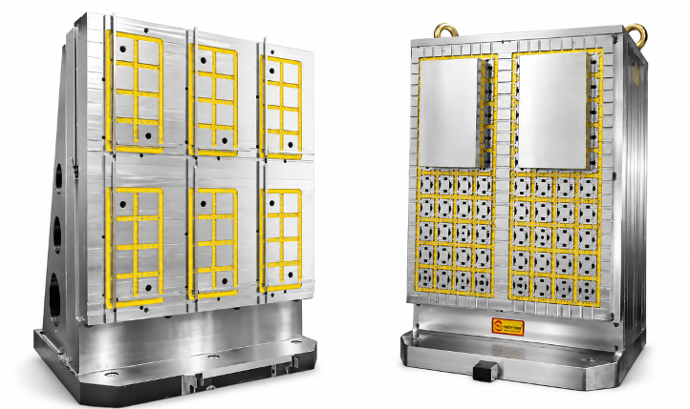
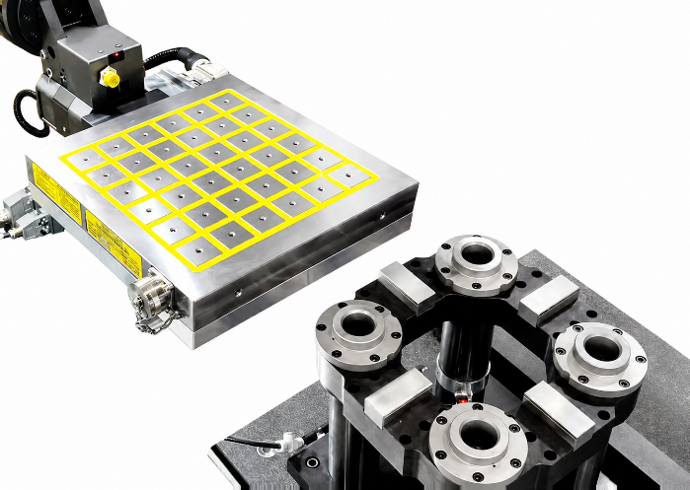
Among today's advanced quick-change workholding technologies, the Electro-Permanent Magnetic Chuck (EPM Chuck) has emerged as one of the preferred solutions for high-end manufacturers worldwide.
Why Is Quick Changeover So Important?
For modern CNC manufacturers, productivity is determined not only by cutting speed but by how much time the machine actually spends machining.
Traditional mechanical fixtures typically require operators to:
• Manually position the workpiece
• Tighten multiple clamps or toe clamps
• Adjust clamping height
• Verify parallelism
• Re-establish machining datums
Even experienced machinists may spend several minutes—or even tens of minutes—completing each setup. When dozens or even hundreds of workpieces are changed every day, these repeated setup operations accumulate into substantial machine downtime. The primary goal of quick changeover is to allow workpieces to be positioned and clamped within seconds, minimizing idle time and enabling CNC machines to remain in continuous production.
How Does an Electro-Permanent Magnetic Chuck Enable Quick Change Workholding?
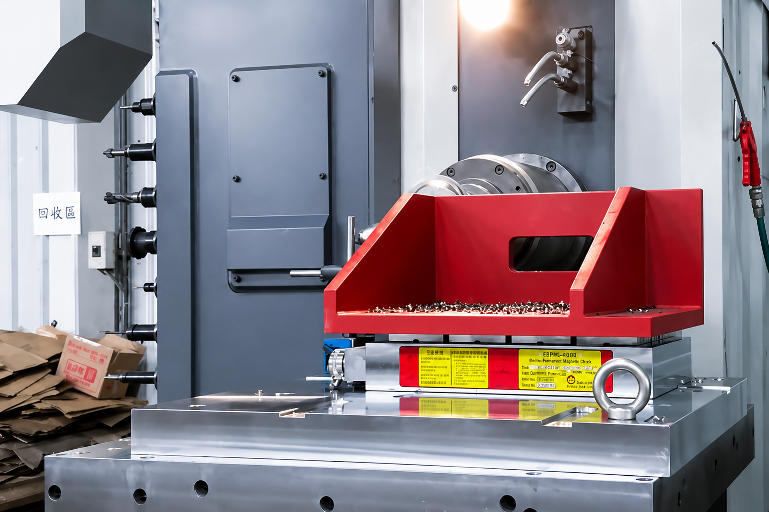
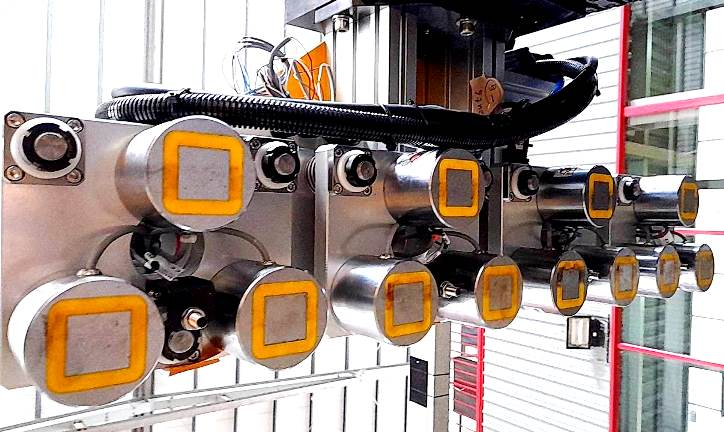
Unlike conventional hydraulic fixtures, pneumatic fixtures, or mechanical clamps, an Electro-Permanent Magnetic Chuck stores its magnetic energy inside permanent magnets. Electrical power is required only during the brief magnetization and demagnetization cycles. Once magnetized, the chuck maintains full holding force without any continuous power supply.
This unique technology provides several important advantages:
• Clamp workpieces within seconds
• Release workpieces within seconds
• No bolts to tighten
• No repeated clamp adjustments
• No fixture realignment
• No repeated work offset calibration
The entire workholding process becomes dramatically simpler.
For high-mix, low-volume manufacturing, where setups occur frequently, Quick Change Workholding significantly reduce the time lost during product changeovers.
Full-Surface Support Instead of Localized Clamping
Traditional mechanical fixtures apply force only at specific clamping points, often resulting in:
• Workpiece deformation
• Localized internal stress
• Cutting vibration
• Poor surface finish
• Reduced dimensional consistency
An Electro-Permanent Magnetic Chuck works differently.
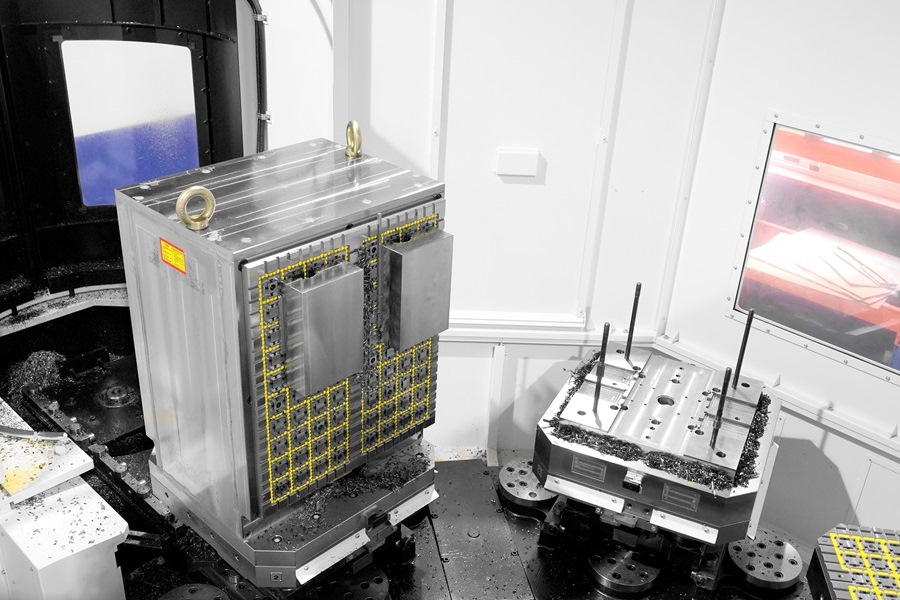
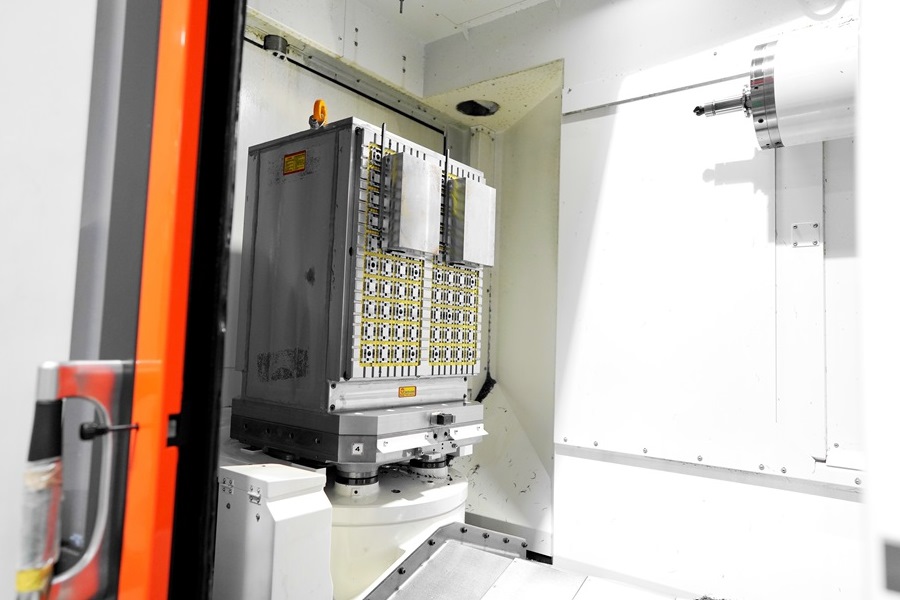
Magnetic force is distributed evenly across the entire contact surface, allowing the workpiece to be fully supported from the bottom rather than held at only a few pressure points.
This delivers significant machining benefits, including:
• Improved flatness
• Higher dimensional accuracy
• More consistent machining quality
• Reduced vibration
• Better surface finish
• Longer cutting tool life
These advantages make magnetic workholding particularly suitable for:
• Mold and die machining
• Large steel plates
• Precision components
• Aerospace parts
• Thin workpieces
• Five-axis machining
Quick Change Workholding Improve Overall Equipment Effectiveness (OEE)
For manufacturing managers, success is measured not by the machining time of a single part but by how many good parts a machine can produce throughout the day.
Quick Change Workholding directly improve:
• Machine availability
• Machining productivity
• Product quality
Together, these improvements significantly increase Overall Equipment Effectiveness (OEE). Reducing fixture changeover time from 15 minutes to just 2 minutes creates substantial additional machining capacity every day—without investing in additional CNC machines. This is one of the primary reasons why leading manufacturers continue investing in advanced workholding solutions.
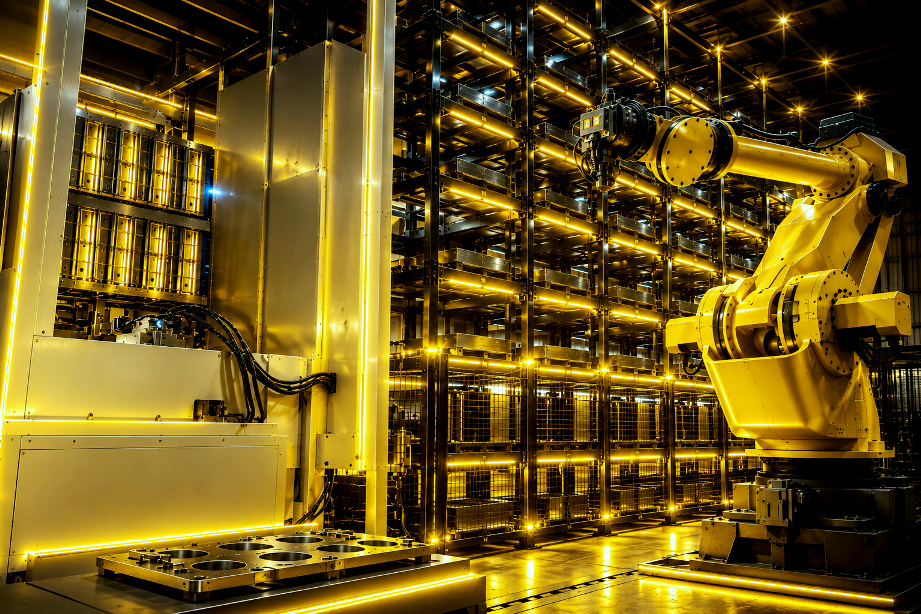
The Ideal Workholding Solution for Lights-Out Manufacturing
Lights-Out Manufacturing refers to fully automated production where machines continue operating without human supervision. However, achieving reliable unmanned machining depends less on the CNC machine itself and more on workholding security. Traditional electromagnetic chucks require continuous electrical power to maintain magnetic force.
In the event of a power failure, manufacturers risk:
• Workpiece slippage
• Broken cutting tools
• Spindle collisions
• Scrap of high-value components
For this reason, many companies remain hesitant to run unattended overnight production. Electro-Permanent Magnetic Chucks eliminate this concern completely.
Because the holding force comes from permanent magnets, magnetic clamping remains secure even if:
• Power is interrupted
• Voltage fluctuates
• The controller experiences a fault
The workpiece remains firmly clamped without relying on continuous electrical power. This inherent safety is one of the key reasons Electro-Permanent Magnetic Chucks have become an essential technology for Lights-Out Manufacturing.
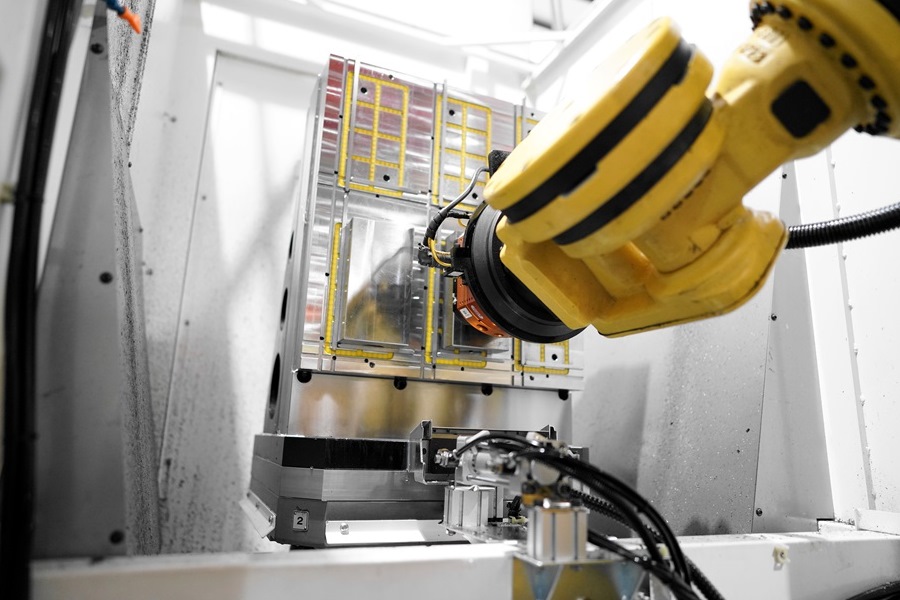
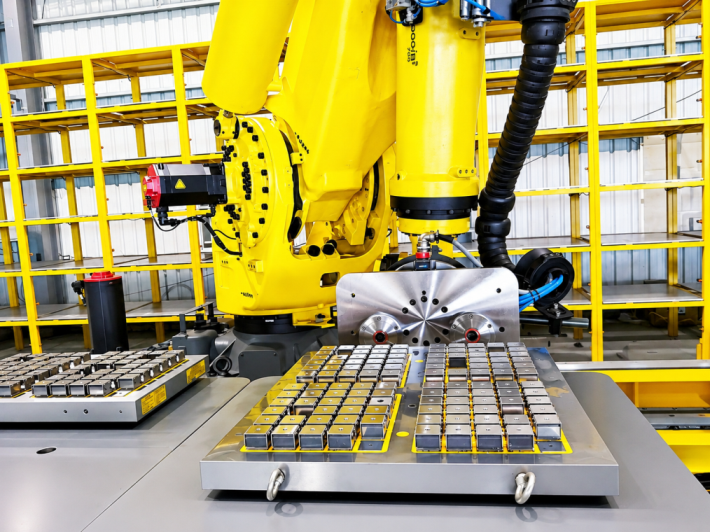
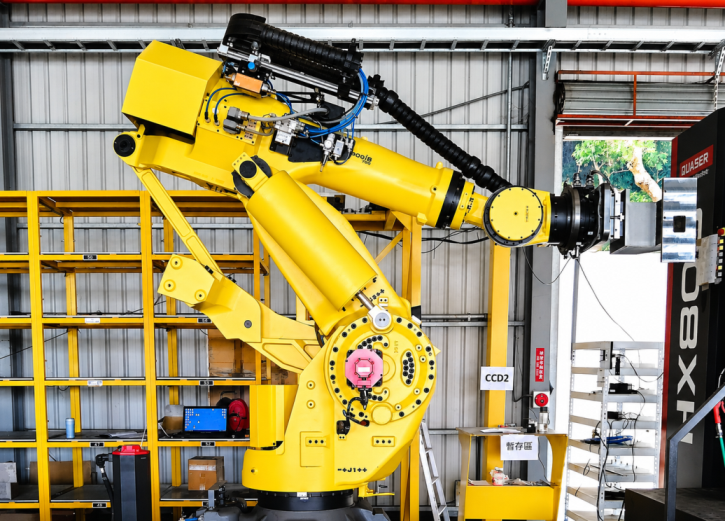
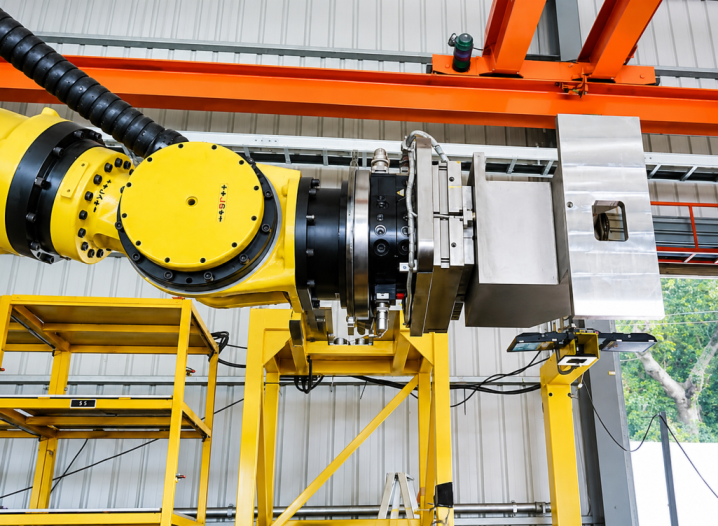
Automation Integration Makes Quick Change Workholding Even More Efficient
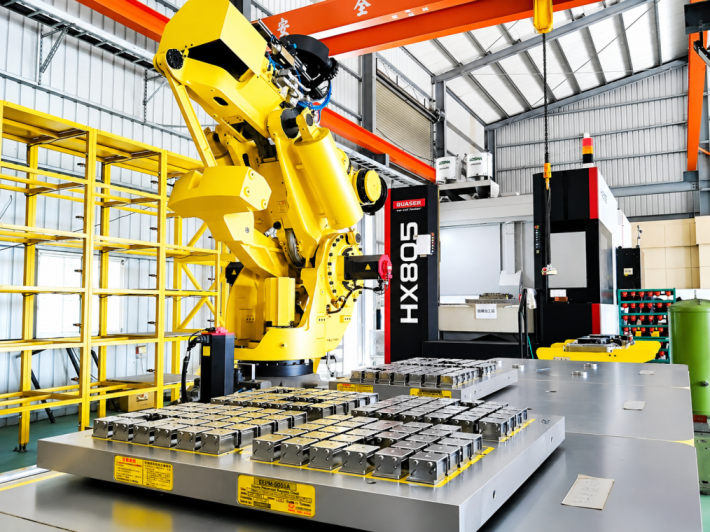
Today's smart factories are no longer built around individual CNC machines—they operate as fully integrated automated production systems.
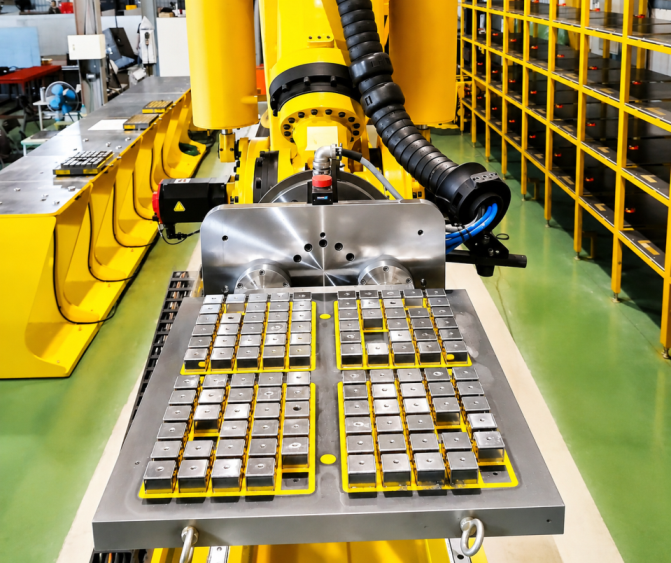
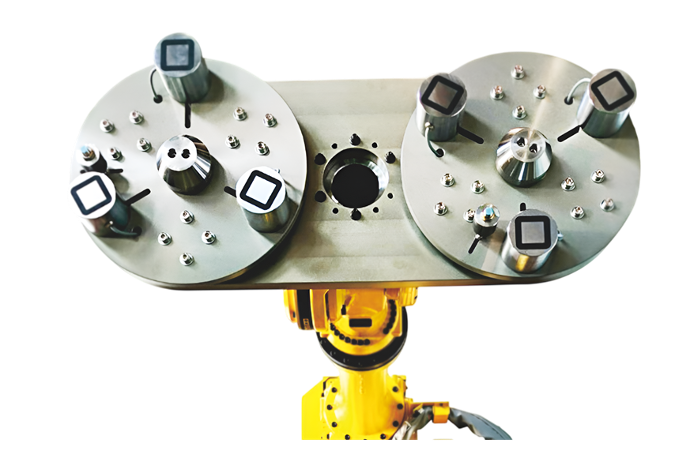
Electro-Permanent Magnetic Chucks can seamlessly integrate with:
• CNC controllers
• PLC (Programmable Logic Controllers)
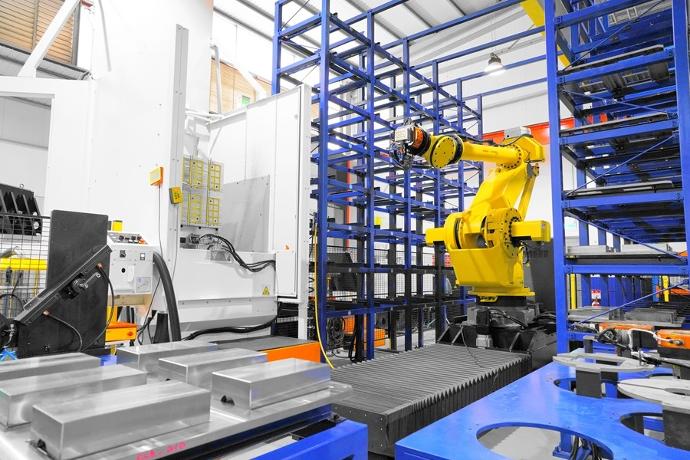
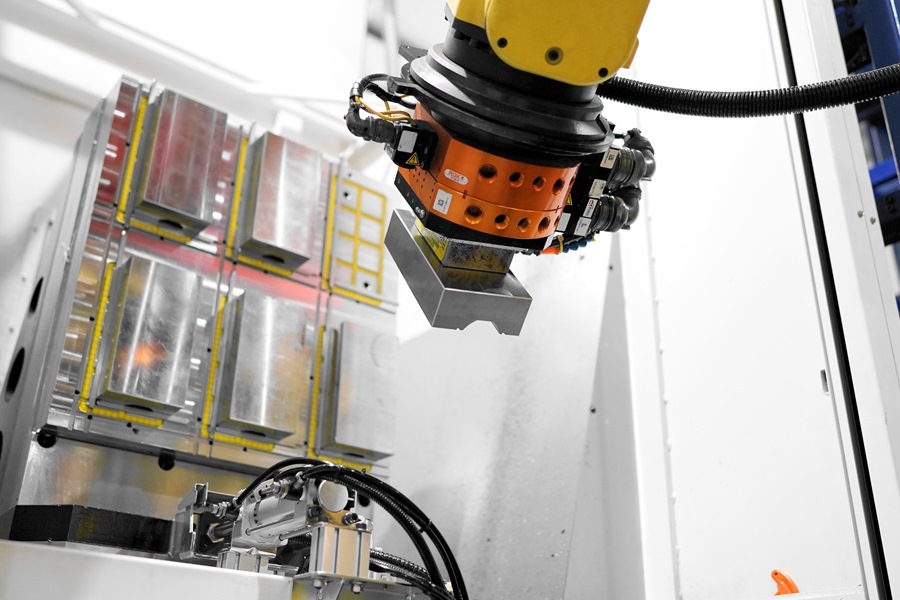
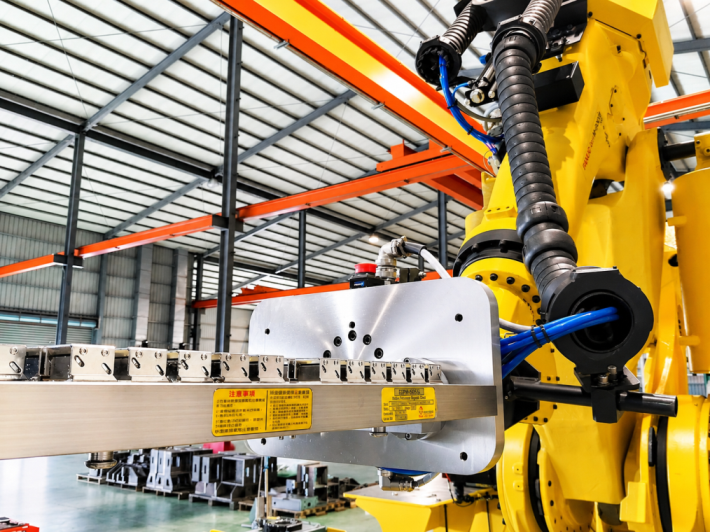
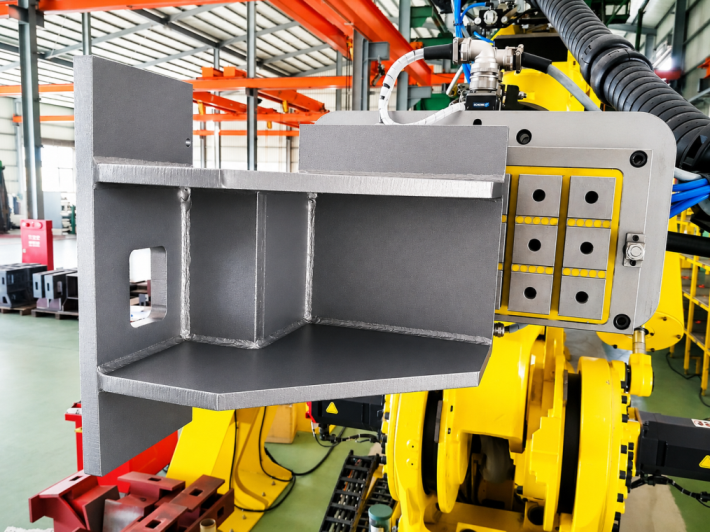
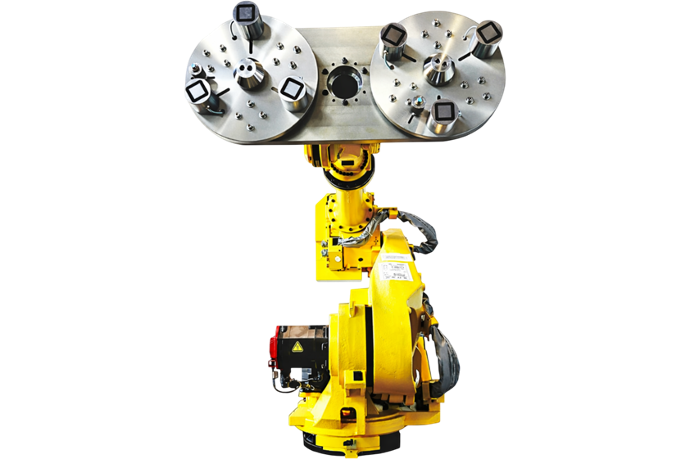
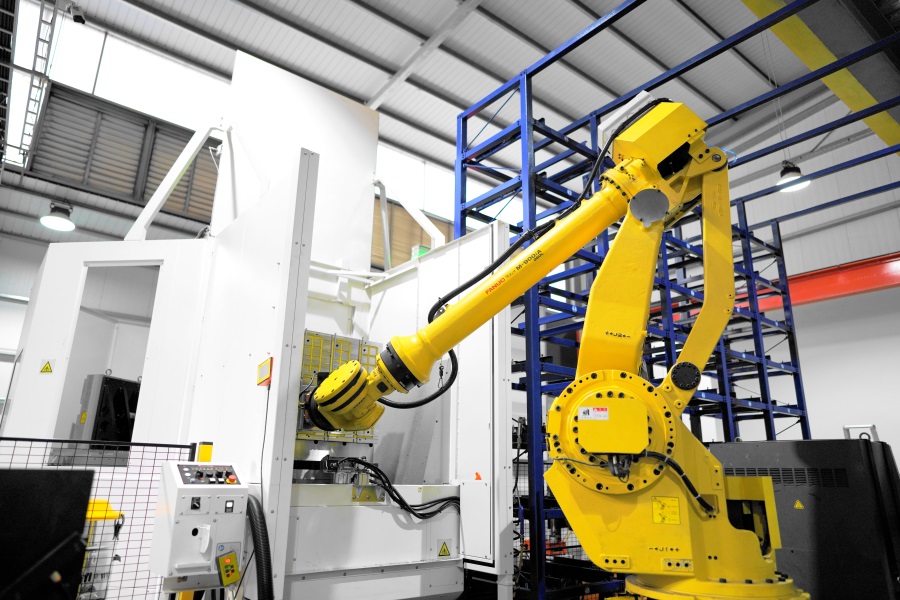
• Industrial robots
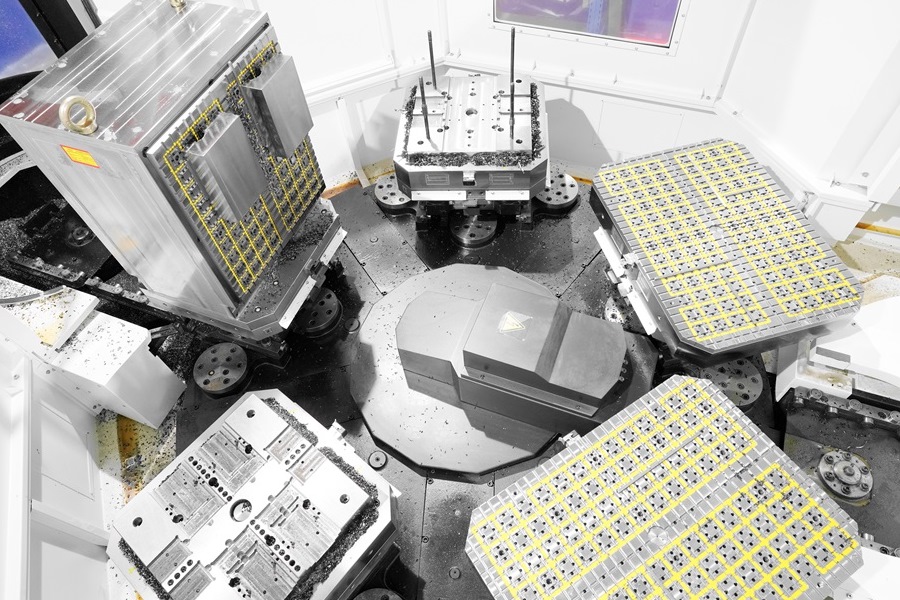
• Pallet changing systems
• Flexible Manufacturing Systems (FMS)
• Manufacturing Execution Systems (MES)
• Enterprise Resource Planning (ERP)
• Advanced Planning and Scheduling (APS)
• Industrial IoT platforms
Through M-code commands or digital I/O communication, the system can automatically perform:
• Magnetization
• Demagnetization
• Clamping status verification
• Machining completion feedback
• Robot synchronization
• Production traceability
The entire workholding process becomes fully automated.
High-Mix, Low-Volume Manufacturing Demands Faster Changeovers
Modern manufacturers are increasingly shifting from mass production toward high-mix, low-volume manufacturing. Product life cycles are becoming shorter. Batch sizes continue shrinking. Customization is becoming the standard. As a result, workpieces must be changed far more frequently. With traditional fixtures, every product change requires repositioning, realignment, and recalibration.
Quick changeover systems dramatically reduce:
• Production changeover time
• Mold change time
• Fixture replacement time
• First-piece setup time
This makes Electro-Permanent Magnetic Chucks particularly well suited for flexible manufacturing environments.
Lower Energy Consumption Supports Sustainable Manufacturing
Beyond improving productivity, energy efficiency has become a major priority across global manufacturing. Electro-Permanent Magnetic Chucks consume electricity only during the brief magnetizing and demagnetizing cycles. After clamping, they require no continuous power supply.
Compared with conventional electromagnetic systems, manufacturers can significantly reduce:
• Electricity consumption
• Heat generation
• Cooling requirements
• Carbon emissions
At the same time, eliminating continuous current prevents thermal deformation that could otherwise compromise machining accuracy.
These benefits align closely with today's ESG initiatives and global Net Zero manufacturing strategies.
The Future of Workholding Is Not Just Stronger Clamping—It's Smarter Clamping
Modern workholding has evolved far beyond simply securing a workpiece.
Today's manufacturing demands solutions capable of delivering:
• Rapid changeovers
• High-precision positioning
• Automation integration
• Lights-Out Manufacturing
• Energy efficiency and operational safety
• Production traceability
• Real-time process monitoring
The Electro-Permanent Magnetic Chuck combines all of these capabilities into one intelligent workholding solution.
By dramatically reducing changeover time, manufacturers can maximize machine utilization, minimize labor requirements, and improve overall production efficiency. When integrated into automated production systems, Electro-Permanent Magnetic Chucks enable reliable 24/7 unattended machining, helping manufacturers fully realize the benefits of smart factories.