Traditional Steel Handling Challenges and Efficiency Bottlenecks
In metal cutting, mold manufacturing, and steel warehousing, material handling efficiency directly affects production line utilization and overall manufacturing lead times. For decades, traditional steel handling methods have relied on lifting chains, nylon slings, clamps, and overhead crane hooks. However, these conventional methods often create time-consuming operations and safety concerns.
Operators must spend considerable time threading slings, locating lifting points, and coordinating with other workers to secure and move heavy steel materials. In many cases, two or more workers are required to stabilize the load during lifting. Even worse, slings and chains can scratch or damage machined surfaces. If a wire rope slips or a lifting sling breaks, the consequences can be catastrophic.
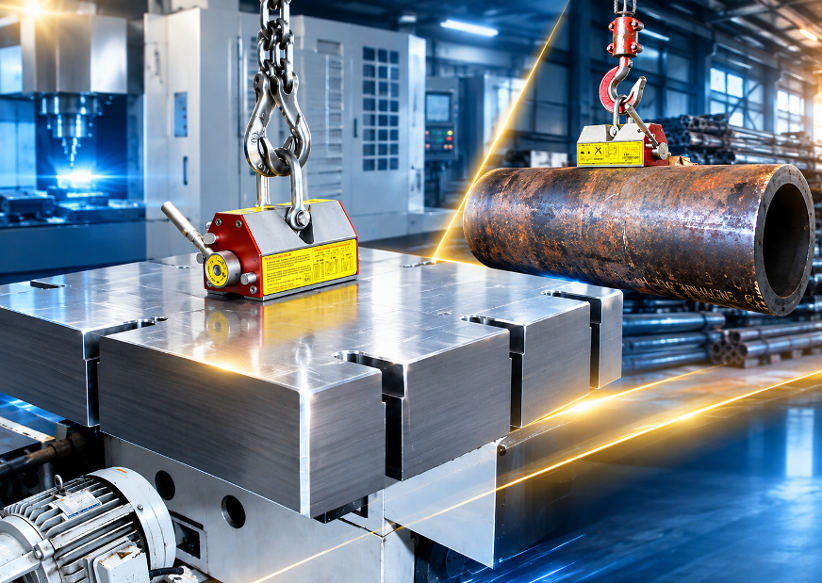
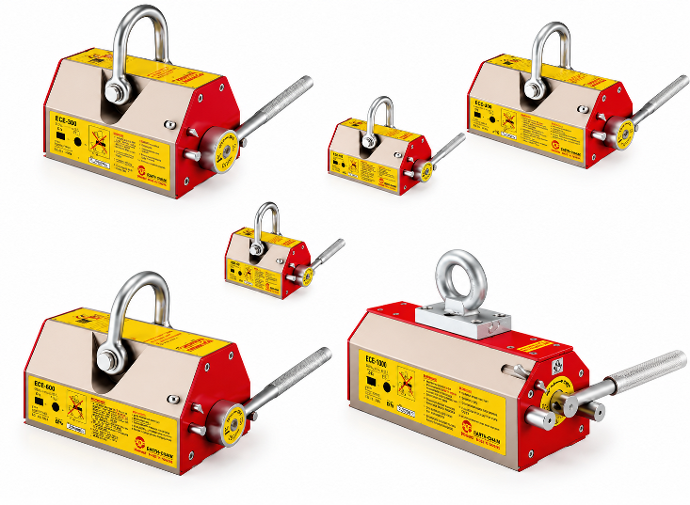
To overcome the inefficiencies and safety risks associated with conventional handling methods, switchable permanent magnetic lifters, represented by Earth Chain’s ELM Series, offer a key upgrade for modern industrial material handling. These lifters feature stronger magnetic lifting force, a compact design, lightweight construction, enhanced safety, and low maintenance costs. They also incorporate patented designs to help prevent counterfeiting.
This article examines how magnetic lifters can improve material handling efficiency in four key areas: handling time, load capacity calculations, safety protection, and diverse lifting applications.
1. Simplifying Operations: From Multi-Person Slinging to Single-Operator, Seconds-Level Handling
The efficiency of material handling depends heavily on loading and unloading time. With conventional lifting methods, the most time-consuming steps are often not crane movements themselves, but the complicated preparation and finishing procedures before and after each lift.
Switchable permanent magnetic lifters transform this process through a simple mechanical operating mechanism.
Instant Magnetic Engagement and Release for Shorter Handling Cycles
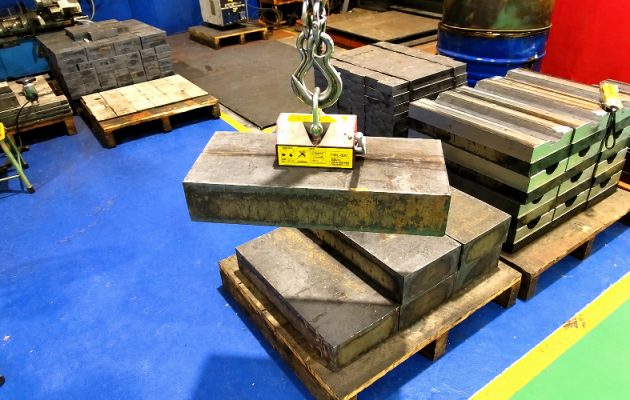
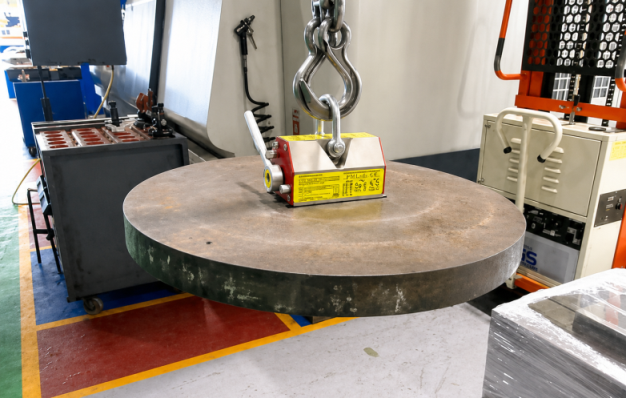
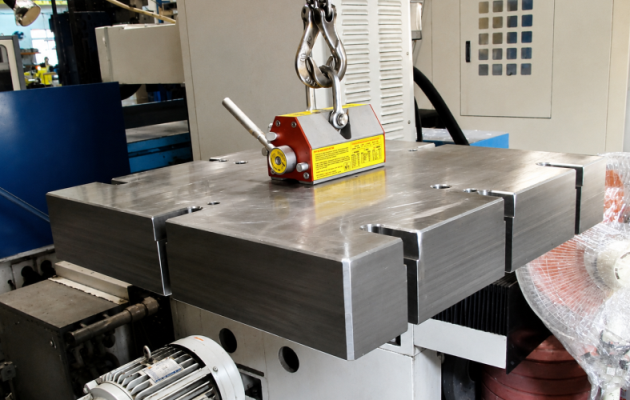
Operators simply position the magnetic lifter on the steel workpiece and turn the operating handle to the "ON" position to activate the magnetic holding force. Once the workpiece reaches the target machine or storage rack, turning the handle to "OFF" releases the magnetic force, allowing the workpiece to be set down.
This eliminates the need to thread wire ropes, secure lifting rings, or repeatedly adjust sling lengths. As a result, individual pickup and placement operations can be completed in seconds.
Single-Operator Handling to Optimize Labor Utilization
When lifting large steel plates or handling materials for vertical machining operations, conventional methods often require an additional worker to stabilize the load.
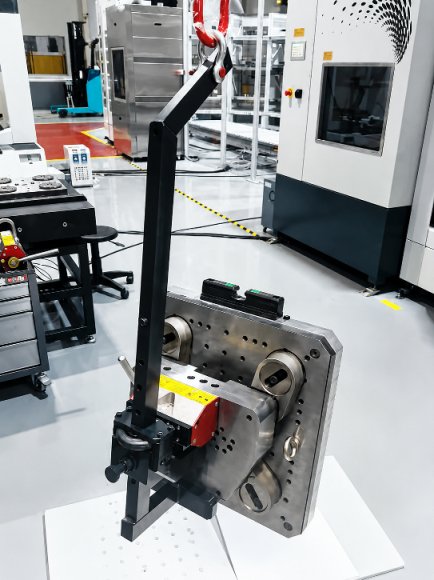
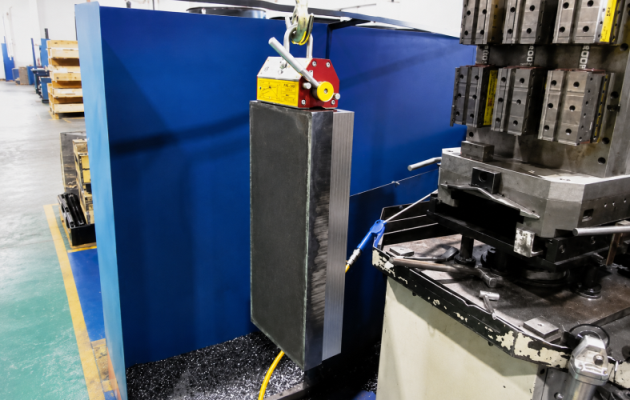
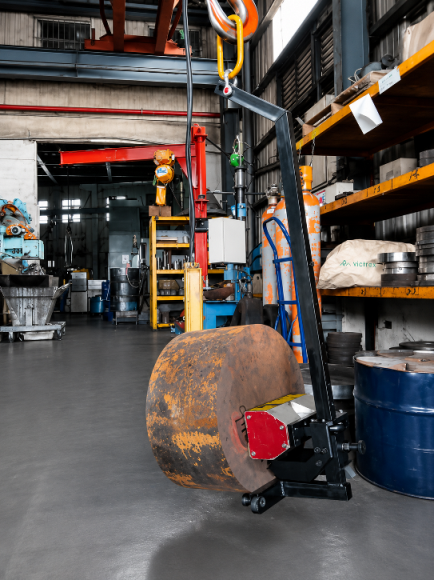
With the dedicated ELM-V Vertical Switchable Permanent Magnetic Lifter Assembly, a single operator can independently load and unload steel materials. Designed for vertical steel handling, this assembly enables operators to lift and position steel plates without requiring another person to assist with stabilizing the workpiece.
This approach helps reduce labor costs, minimize coordination delays, and improve production line continuity.
No Sling Friction, Reduced Surface Damage, and Lower Consumable Costs
Magnetic lifters such as the ELM-V eliminate the need for conventional slings and hooks at the workpiece contact points, reducing the risks associated with sling use and helping protect precision-ground surfaces and workpiece edges from scratches, pressure marks, and other damage.
Factories can also reduce the hidden costs associated with regularly inspecting, maintaining, and replacing worn lifting slings.
2. Scientific Load Capacity Calculations: Reducing Handling Delays and Incorrect Assessments
Material handling delays often occur when operators are uncertain about the weight of a workpiece or the actual lifting capacity of the equipment. This uncertainty can lead to repeated trial lifts, unnecessary waiting, or overly conservative handling decisions.
The ELM Series provides defined load capacity conversion guidelines, allowing operators to evaluate lifting conditions more systematically using standardized parameters.
Four Key Factors Affecting Magnetic Lifting Capacity
A magnetic lifter's magnetic flux and holding force depend on the physical properties and surface conditions of the workpiece.
1. Steel Thickness (T — Thickness)
Steel thickness directly affects the saturation of the magnetic circuit. When the steel plate thickness reaches 60 mm or more, the lifter can achieve 100% of its rated lifting capacity under the specified reference conditions.
When the plate thickness decreases to 10 mm, the load capacity ratio can drop significantly, ranging from approximately 20% to 70% depending on the model. The applicable model-specific load capacity chart must therefore be consulted before lifting.
2. Surface Roughness (F — Finish)
The smoother the contact surface, the stronger the effective magnetic attraction generally becomes because the air gap between the lifter and the workpiece is reduced.
According to the stated conversion guidelines, the load capacity ratios are as follows:
- Precision-machined surfaces: up to 125%
- Generally flat surfaces: 100%
- Rough surfaces: 90%
- As-cast surfaces: 65%
These percentages are reference values and must be applied in accordance with the manufacturer's specifications and applicable operating conditions.
3. Material Type (M — Material)
Carbon content and alloy composition influence a material's magnetic permeability and therefore affect the magnetic holding force.
The stated reference ratios are:
- Low-carbon steel: 100%
- Medium-carbon steel: 85%
- High-carbon steel: 75%
- Cast iron: approximately 70%
Actual lifting capacity depends on the specific material grade and its magnetic properties. Operators should consult the relevant manufacturer's load capacity data rather than relying on material categories alone.
4. Contact Surface Cleanliness
Oil, chips, dirt, and other contaminants between the magnetic lifter and the steel surface can create an air gap, reducing effective magnetic attraction.
Before lifting, thoroughly clean both contact surfaces to help ensure reliable magnetic engagement and optimal lifting performance.
3. A High Safety Factor of 3.5: Supporting Stable and Continuous Operations
High efficiency must never come at the expense of safety. One of the most serious causes of production downtime in lifting operations is an accident involving a dropped workpiece, which can result in equipment damage, production stoppages, and lengthy safety investigations.
The ELM Series incorporates multiple safety features to help improve lifting reliability.
A Safety Factor of 3.5 (3.0 for the ELM-3000)
The ELM Series is designed with a safety factor of 3.5, while the ELM-3000 has a safety factor of 3.0.
According to the stated specifications, the rated lifting capacity is set at 1/3.5 of the measured maximum pull-off force for models with a 3.5 safety factor.
For example, the ELM-600 has a rated lifting capacity of 600 kg, while its stated maximum tested pull-off force reaches 2,100 kgf.
This safety margin is intended to provide additional resistance to variations in lifting conditions and dynamic forces generated during crane starting, acceleration, movement, and turning.
Important: The safety factor is not permission to exceed the rated lifting capacity. Actual safe working loads must be determined according to the manufacturer's instructions, workpiece conditions, and applicable lifting regulations.
Safety Locking Mechanism to Prevent Accidental Disengagement
The operating handle incorporates a safety locking mechanism. When the handle is turned to the "ON" position, the mechanism locks into place to help prevent accidental movement toward the demagnetized position caused by impacts or unintended contact during handling.
Temperature Restrictions for Reliable Magnetic Performance
The workpiece temperature must not exceed 80°C (176°F) under the specified operating conditions.
Excessive heat can cause permanent magnets to lose magnetic strength, potentially compromising lifting performance. Observing the temperature limit helps maintain the lifter's long-term magnetic performance and operational reliability.
Conclusion: Investing in Magnetic Lifters to Improve Production Efficiency
Adopting switchable permanent magnetic lifters is more than an equipment upgrade. It is a strategic investment in material flow efficiency, workforce optimization, and workplace safety.
- Reduced handling time: Replace time-consuming sling installation and adjustment with simple magnetic activation and release, reducing loading and unloading time to seconds under suitable operating conditions.
- Optimized labor utilization: Dedicated solutions such as the ELM-V enable single-operator loading and unloading, helping prevent production delays caused by labor shortages or scheduling conflicts.
- Improved safety and workpiece protection: A high design safety factor, a safety locking mechanism, and reduced reliance on conventional slings help support stable lifting operations while minimizing the risk of surface damage.
Permanent Lifting Magnet
Switchable Permanent Magnetic Lifters (ELM Series): Frequently Asked Questions (FAQ)
Q1: What are the key features and advantages of the ELM Series switchable permanent magnetic lifters?
The ELM Series offers several advantages, including strong magnetic lifting force, enhanced safety, compact dimensions, lightweight construction, and cost-effective pricing.
The series also incorporates patented designs to help prevent counterfeiting. Its durable construction helps maintain a professional appearance over time while protecting customers' interests.
Q2: What are the main factors affecting the lifting capacity of a magnetic lifter?
The actual lifting capacity of a magnetic lifter varies depending on the workpiece and operating conditions. The four primary factors are:
- Steel thickness: Insufficient thickness can prevent the magnetic circuit from reaching its intended saturation level, reducing lifting capacity.
- Steel surface roughness: Surface roughness and the resulting air gap directly affect the effective magnetic holding force.
- Steel material type: Carbon content, alloy composition, and magnetic permeability influence magnetic performance.
- Contact surface cleanliness: Dirt, oil, chips, and other contaminants can create gaps between the lifter and the workpiece, reducing magnetic attraction.
Always consult the manufacturer's load capacity chart and operating instructions before lifting.
Q3: What is the safety factor of the ELM Series, and how does it relate to rated lifting capacity and maximum tested pull-off force?
The ELM Series is designed with a safety factor of 3.5, while the ELM-3000 has a safety factor of 3.0.
For models with a safety factor of 3.5, the stated rated lifting capacity is set at 1/3.5 of the measured maximum pull-off force.
For example, the ELM-600 has a rated lifting capacity of 600 kg and a stated maximum tested pull-off force of 2,100 kgf. This additional margin is designed to support safer lifting under specified operating conditions.
The rated lifting capacity must never be exceeded, and actual lifting operations must comply with the manufacturer's instructions and applicable safety regulations.
Q4: Can ELM Series magnetic lifters lift round steel materials? What are the design limitations?
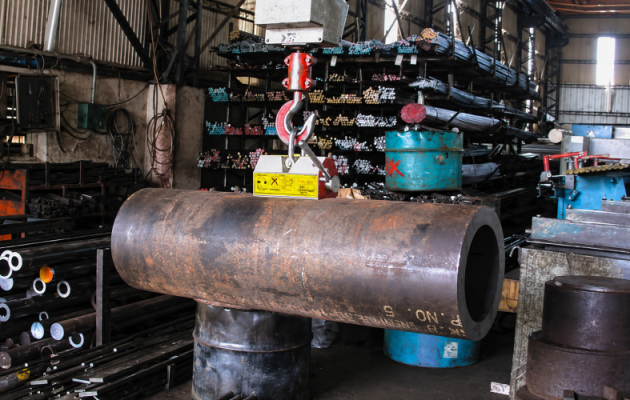
Yes. The bottom of the ELM Series features a specially designed V-groove that accommodates both flat steel plates and round steel materials.
However, actual lifting capacity depends on the diameter, contact geometry, material properties, surface condition, and positioning of the round workpiece. Always verify the applicable load capacity using the manufacturer's specifications before lifting.
Q5: What safety precautions and operating restrictions must be observed when using magnetic lifters?
Operators must strictly follow these safety precautions:
- Temperature limit: The workpiece temperature must never exceed 80°C (176°F) under the specified operating conditions.
- Handle operation: Never turn the operating handle to the "ON" position before placing the magnetic lifter on a suitable iron or steel workpiece.
- Overloading and personnel safety: Never exceed the rated maximum lifting capacity. Never move a suspended load over people.
- Abnormal conditions: Do not use the lifter if it is damaged or malfunctioning. Remove it from service until it has been properly inspected and repaired.
- Lifting capacity verification: If the workpiece or lifting configuration falls outside the conditions covered by the manufacturer's rated load capacity chart, do not proceed with the lift until the manufacturer or a qualified lifting professional has established a safe and approved procedure. Any prescribed test lift must be conducted in accordance with the manufacturer's instructions and applicable safety regulations.
Q6: Is there a dedicated accessory for vertically lifting steel plates or performing vertical loading and unloading?
Yes. The ELM-V Vertical Switchable Permanent Magnetic Lifter Assembly is available as an optional solution. It includes one magnetic lifter and a dedicated vertical lifting frame.
Designed specifically for vertical handling applications, the assembly allows operators to position the lifter on a steel plate and turn the handle to the "ON" position to engage the magnetic holding force.
Its main advantage is that one operator can independently load and unload steel materials. The dedicated mechanism also reduces reliance on conventional wire ropes, slings, and hooks, helping minimize associated slippage risks and surface damage.
Always confirm that the workpiece dimensions, weight, orientation, and lifting configuration comply with the manufacturer's specifications before use.
Q7: How can long, slender shafts or large steel plates be lifted safely?
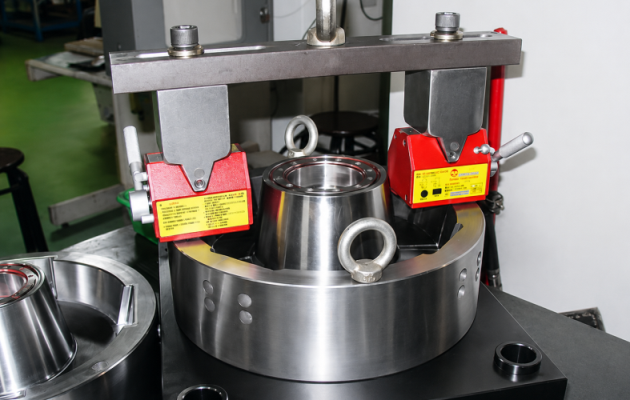
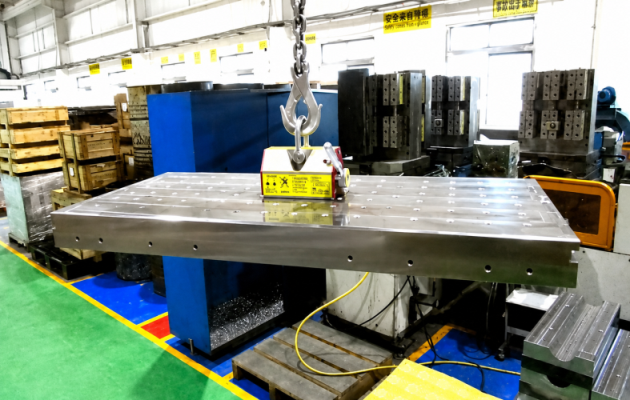
For long round bars, thick plates, and large steel workpieces, a synchronized lifting beam can be configured with multiple ELM magnetic lifters to provide multi-point magnetic engagement.
This arrangement helps distribute the load more evenly, reduce bending and sagging caused by the workpiece's own weight, and improve stability during transportation.
The number and spacing of lifters, lifting beam
design, rated load, and workpiece configuration must all be verified before
use. Ensure that the lifting beam and all associated components are
appropriately rated for the intended operation.