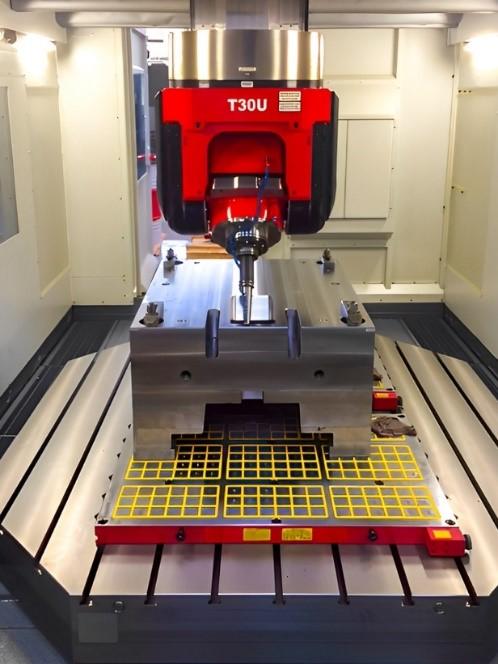
Frequently Asked Questions about Electro-Permanent Magnetic Chucks
In recent years, electro-permanent magnetic chucks have gained increasing attention as an alternative for securing workpieces in mechanical processes. In general machine shops, using magnets can reduce setup time and provide better access to all sides of the workpiece. They are particularly valuable in surface grinding applications as a tool for securing workpieces.
Surface Grinding Magnetic Chucks - EEPM
Using magnetic chucks allows users to process workpieces at faster feed rates and speeds without worrying about vibrations. If the workpiece is not evenly secured, or if it is clamped onto the machine bed with mechanical fixtures or vises, the machine may need to adapt to these conditions, often requiring multiple stops and starts.
How to Troubleshoot an Electromagnetic Chuck Controller?
If you encounter issues with your electromagnetic chuck controller, contact the manufacturer or supplier of your electro-permanent magnetic chuck directly. Different types of magnetic chucks use various magnetic technologies, such as permanent magnets, electromagnets, or electro-permanent magnets.
How to Install an Electro-Permanent Magnetic Chuck on a Machine Worktable?
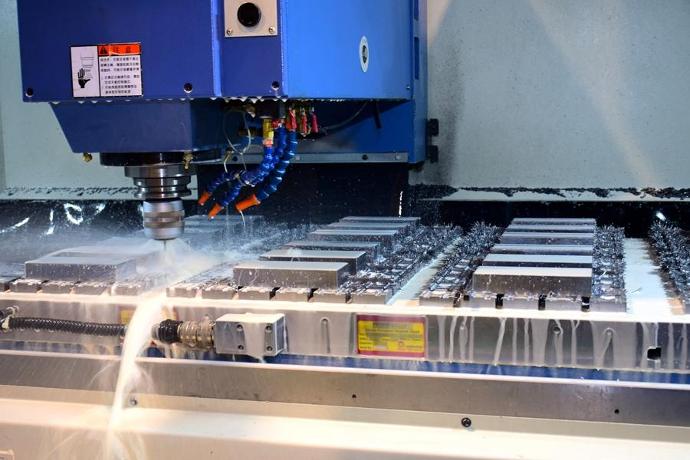
Follow these steps to install a magnetic chuck onto your machine:
- Inspect the machine worktable to ensure it is clean, free of damage, and has no burrs.
- Carefully clean the bottom of the chuck and check for any damage during transportation.
- Place the chuck on the machine worktable in the work area, ensuring it is securely mounted with no foreign objects between the worktable and the bottom of the chuck.
- Use the provided clamps to secure the chuck at the edges on both ends.
- If installing the chuck on a grinding machine, perform grinding before starting work.
- If the chuck is installed on a larger magnetic chuck that has already been ground flat, additional grinding is not necessary.
- When not using the electro-permanent magnetic chuck, apply a thin layer of grease or lubricant on its surface to prevent oxidation.
What Factors Affect the Holding Force of an Electro-Permanent Magnetic Chuck?
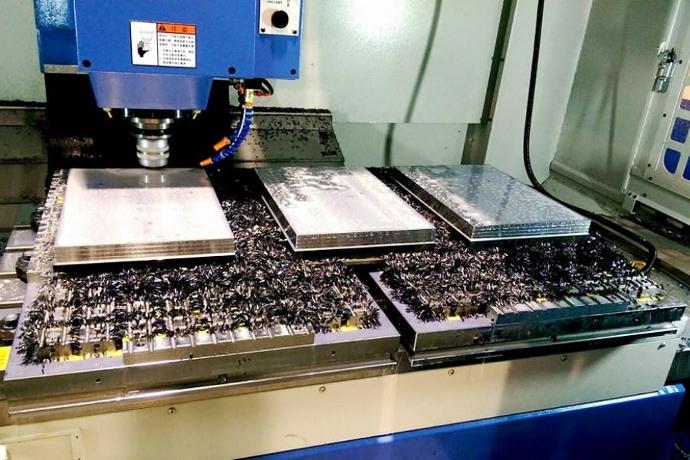
The holding force depends on the magnetic flux generated by the chuck, but certain factors can limit or obstruct the flow of magnetic flux to the workpiece, reducing the holding power:
- Contact Area: The holding force is proportional to the contact area between the workpiece and the chuck. Larger workpieces have more contact area and can resist machining forces better. However, smaller workpieces with less contact area may not withstand certain types of machining. The workpiece should be placed on the chuck to cover as many poles as possible.
- Workpiece Thickness: The magnetic flux requires a minimum thickness of material (iron) to function effectively. If the workpiece is very thin and does not meet this minimum thickness, it cannot absorb the magnetic flux generated by the chuck, resulting in reduced holding power.
- Condition of Contact Surfaces: For optimal magnetic holding, the contact surfaces of both the chuck and the workpiece must be in good condition. Workpieces with uneven or rough surfaces have less holding capability compared to those with ground surfaces. Maintaining the chuck surface in good condition and grinding it as needed is crucial.
- Material: The material of the workpiece plays a significant role in magnetic holding. Soft steel (low carbon content) has the best holding capacity (100%). However, workpieces made from high-carbon alloys or other materials may have reduced holding capacity. Additionally, certain heat treatments can decrease the steel's ability to be held by a magnetic chuck. Generally, the harder the steel, the poorer its magnetic holding capacity, and it may retain magnetism after being removed from the chuck, sometimes making it difficult to detach the workpiece from the chuck.
Magnetic Chucks for Workpiece Holding in CNC Vertical Machining Centers - EEPM
Theoretically, the maximum magnetic force that a magnetic chuck can generate is 16kg/cm². By using additional magnetic blocks, our magnetic workpiece holding chucks can support five-sided machining.